

Top Pigment
Cobalt Blue
PB28
Alternate Names
Cobalt Aluminate Blue Spinel
Thénard's Blue
Pigment Description
A blue beloved of the Impressionists, it still makes appearances in the palettes of landscape painters today. It's an incredibly stable, gorgeous, useful middle-blue which is a bit more opaque than some of the other pigments.
Cobalt Blue has an interesting feel that is hard to describe, but it is helpful for portraying both solid objects and airy atmospheres. It tends to be a friendly mixer, meaning it does not overpower like some pigments do.
Cobalt Blue (Cobalt Aluminate Blue Spinel) or Thenard's Blue is one of our favorite blues and a mainstay of the palette.
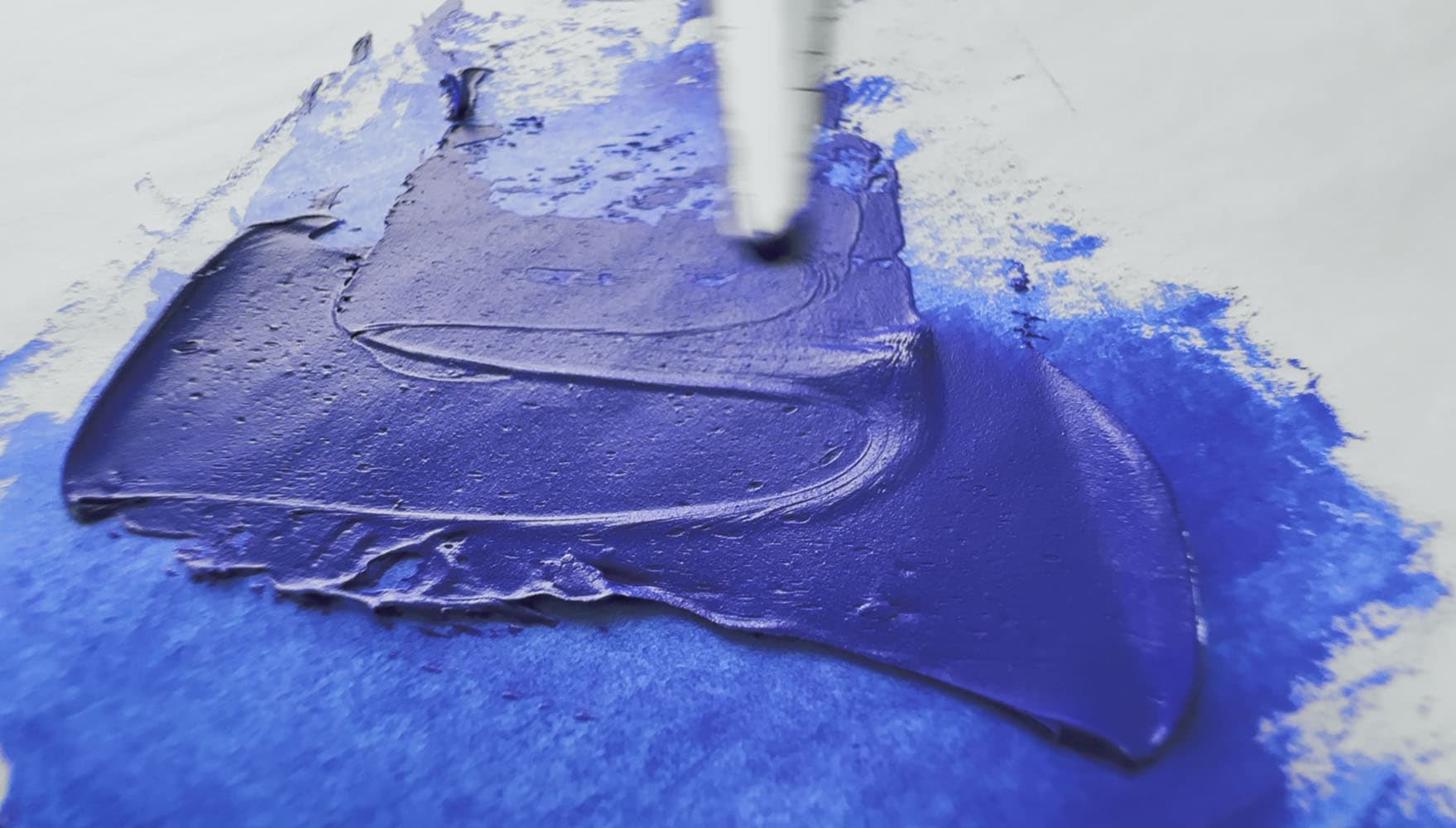
Michael Harding Cobalt Blue, PB28
This pigment was a "staple part of the Impressionist palette," along with ultramarine, according to experts on the time period. While some would prefer to mix the scale of blues using phthalo and ultramarine, we enjoy a hard-to-describe quality about cobalt related to its reflectivity.
Some list cobalt blue as semi-transparent, but we tend to think of it as semi-opaque relative to other blue pigments such as phthalo blue or ultramarine.
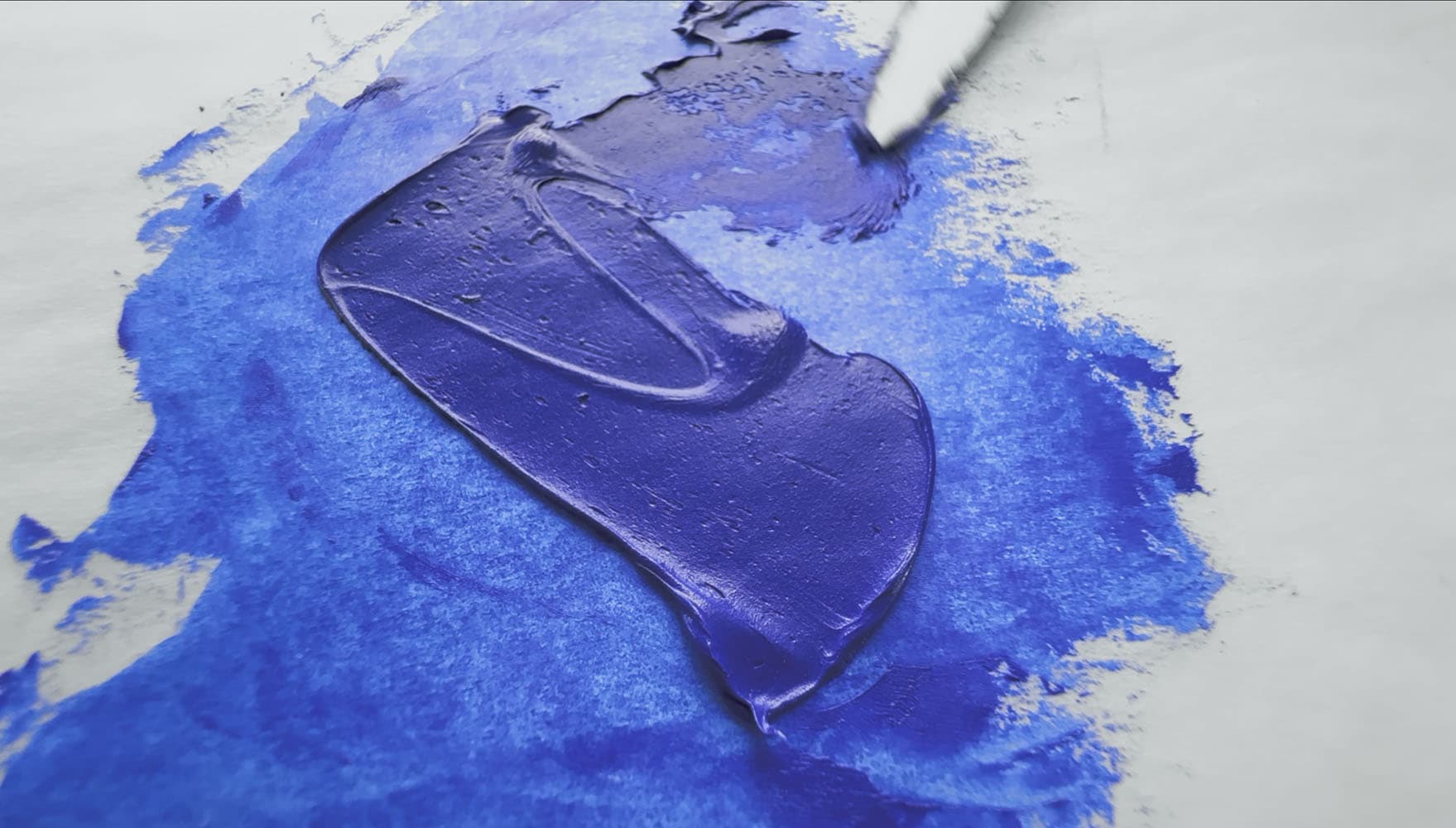
Isaro Cobalt Blue, PB28
Cobalt blue PB28 comes in a variety of colors ranging from teal to middle blue to deep blue. Most Cobalt Blues are of the middle blue variety.
In terms of health and safety, it is listed as toxicity class B, which means it is toxic, so do use great caution. The Artist's Guide to Health and Safety has a section about some of the hazards associated with cobalt pigments. The author's most recently updated writing can be found through her site.
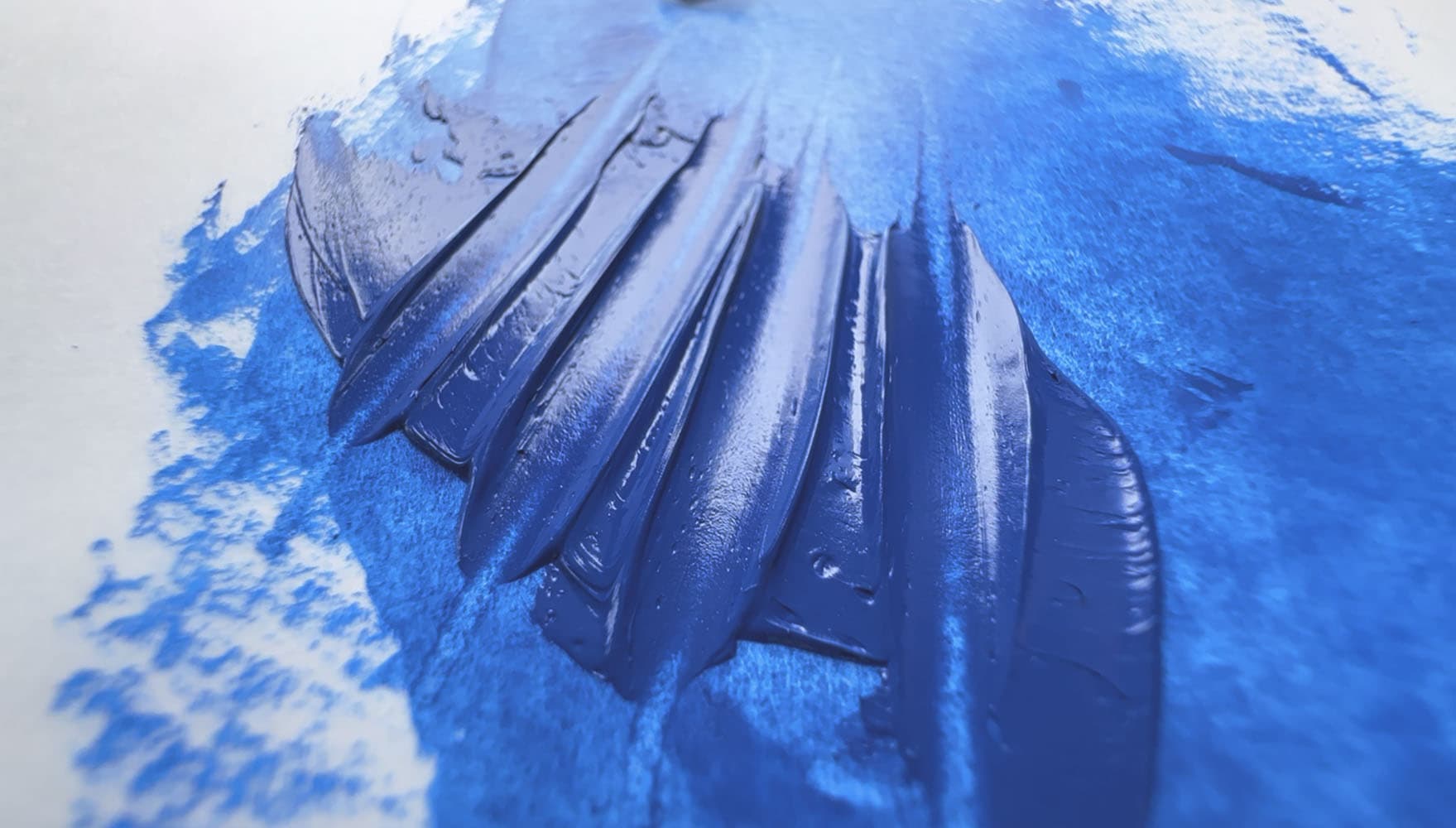
Old Holland Cobalt Blue, PB28
Cobalt Blue has historically had an excellent reputation for lightfastness.
However, some interesting quirks showed up in Golden's recent research on lightfastness, which examined different mixing white pigments in oils.
While Cobalt Blue's overally lightfastness was excellent in Titanium and Titanium Zinc Blends (ASTM I- Excellent), it showed about an ASTM II-Very Good in Lead White. A shocker was that it tanked in Zinc White. As an interesting aside, in some artificial testing methods (QUV/Xenon), the cobalts on the whole did not do well, but Cobalt Blue performed excellently in harsh Arizona sunlight exposures.
As an interesting aside, it did not do well in the Florida tests, which could suggest vulnerability to high humidity or some other factor.
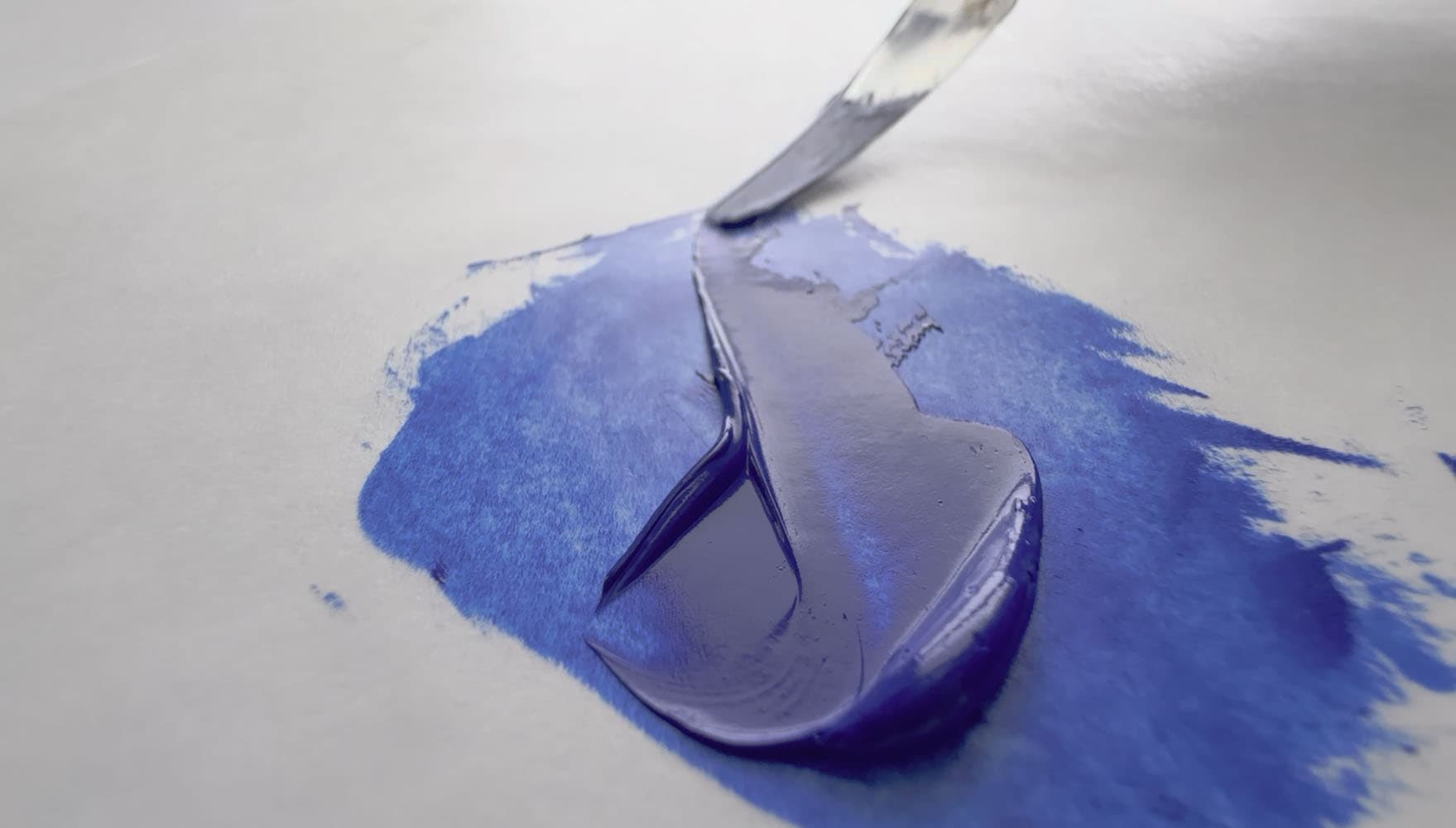
Vasari Cobalt Blue, PB28
Cobalt blue tends to have a very high amount of oil, and it is interesting that it still dries quickly due to the oil content, at least in linseed oil. PB28 is one of the colors which may be found in walnut or poppy oil in an effort to avoid some of linseed’s natural yellowing tendency. Some give Cobalt Blue a moderate dry time, but it does seem a bit faster than many others. Both factors -- the oil content and the drying-- are good to keep in mind if you are painting in oil and working in layers.
There are also ethical concerns with the mining of cobalt, and we urge paintmakers to find ethically mined and sourced cobalt pigments.
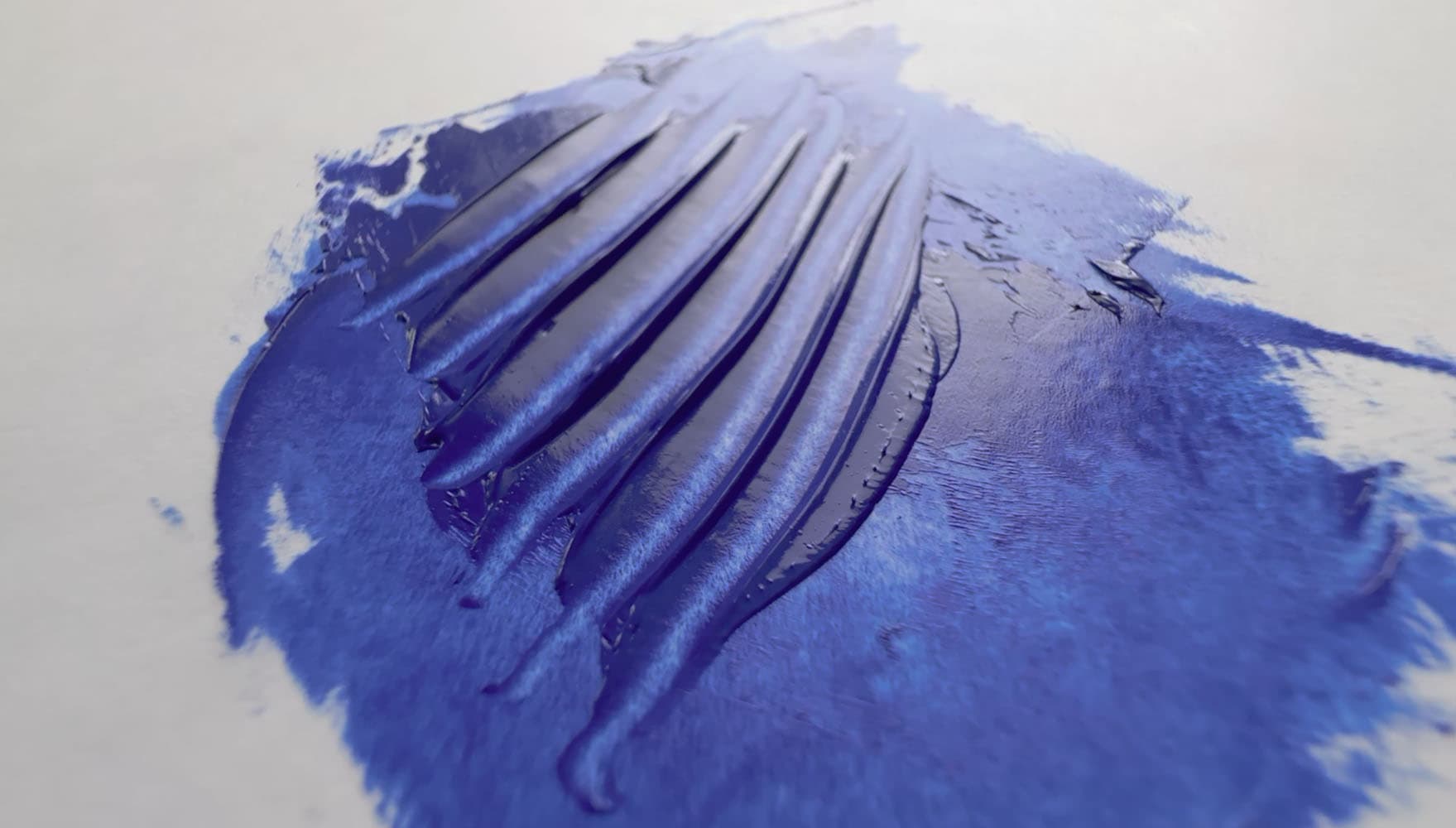
Vasari Cobalt Blue, PB28
Cobalt does seem to have a range within the pigment code PB28 but there is also a separate pigment for Cobalt Blue Deep, PB74. Also Cobalt Chromite Blue is different, the pigment code for Cobalt Chromite is PB36.
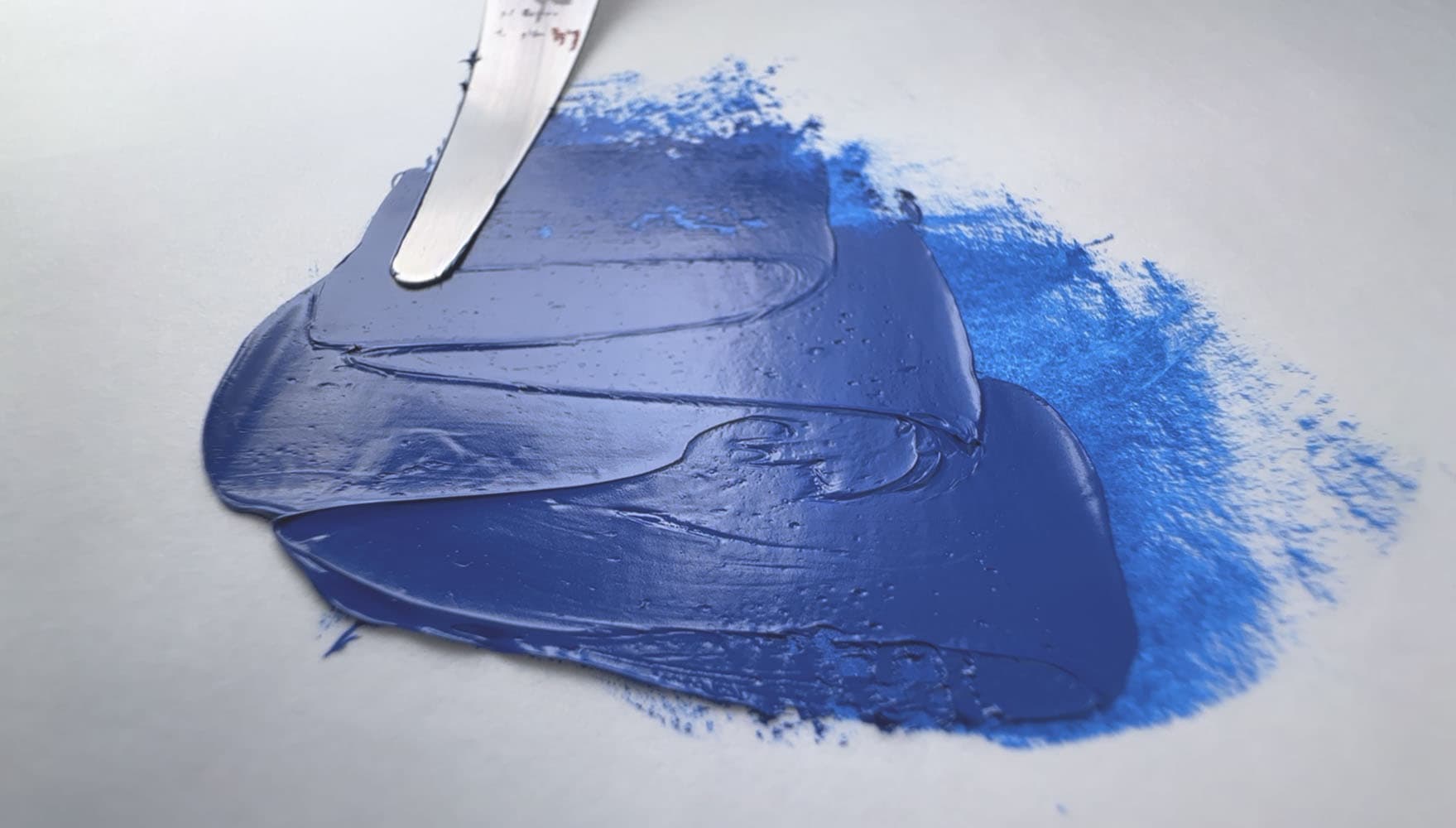
Old Holland Cobalt Blue, PB28
Cobalt Aluminate Blue has a reflectance in the near-infrared, making it a cool pigment. One sometimes hears about spinel colors and it was interesting to find out that PB28 also has a spinel structure.
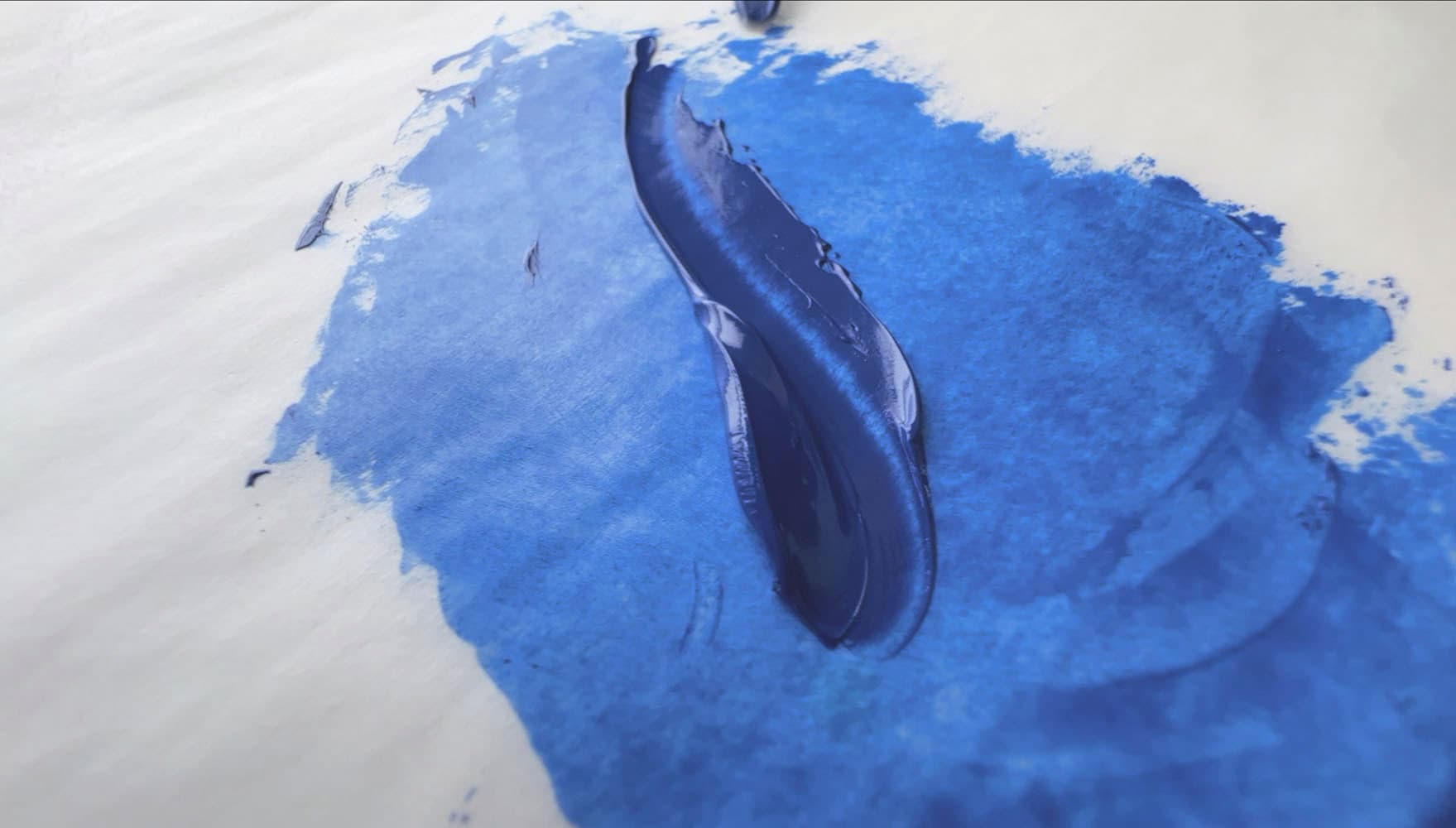
Michael Harding Cobalt Blue PB28
There is a fairly rare turquoise version of PB28. Usually we'd associate a color like this with related cobalt pigments such as PG50. PB28 can be found in shades ranging from dark blue, to mid blue, to light greenish blue.
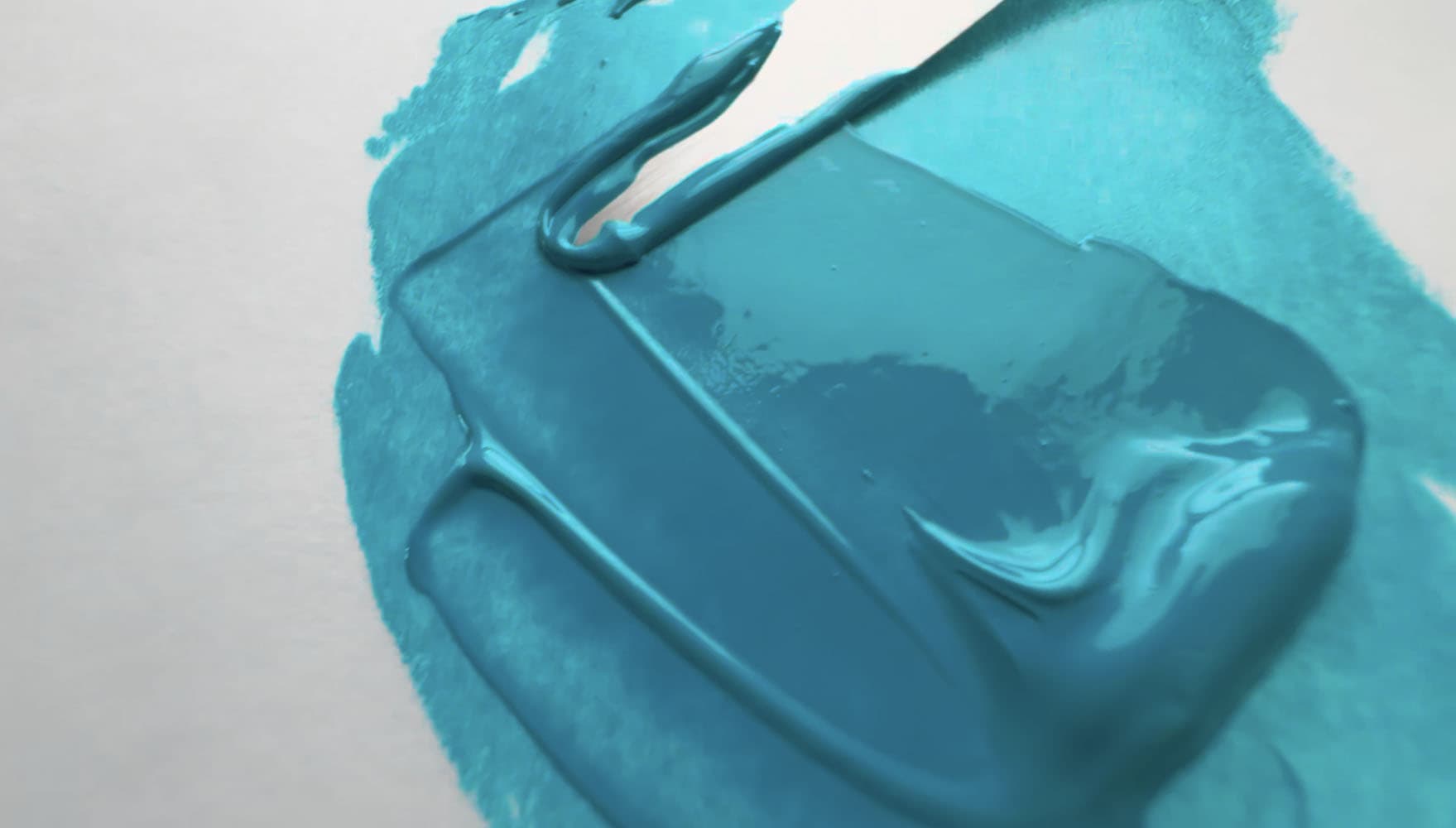
Vasari Cobalt Turquoise, PB28
We've found several versions of the elusive PB28 Turquoise version. Vasari makes a fairly famous Cobalt Turquoise beloved by painters, but we were also delighted to find a PB28 turquoise from RGH.
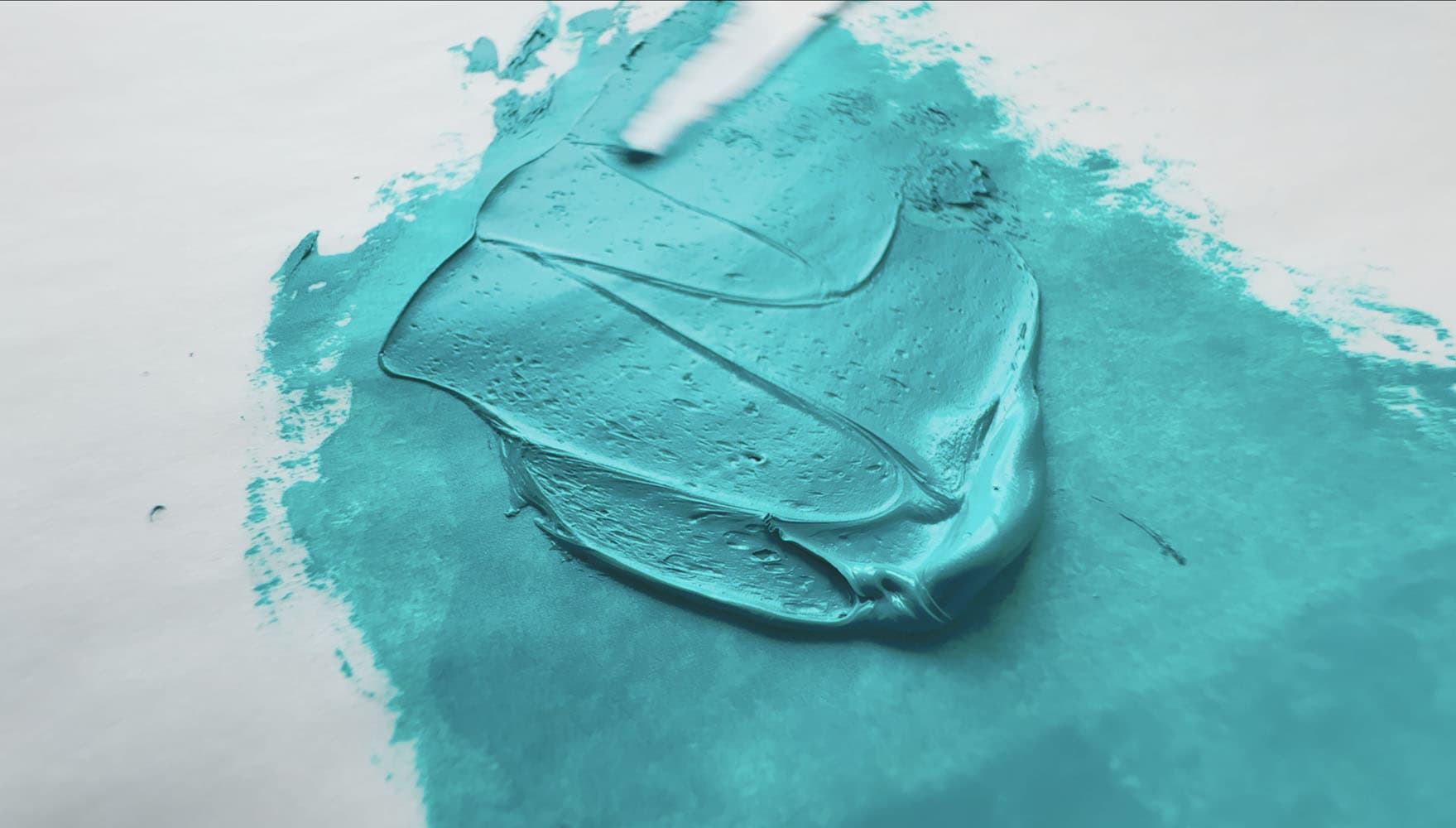
RGH Cobalt Turquoise, PB28
Cobalt Blue had a beloved place on the palettes of historical painters and may be worth trying, especially for landscape and realist paintings.
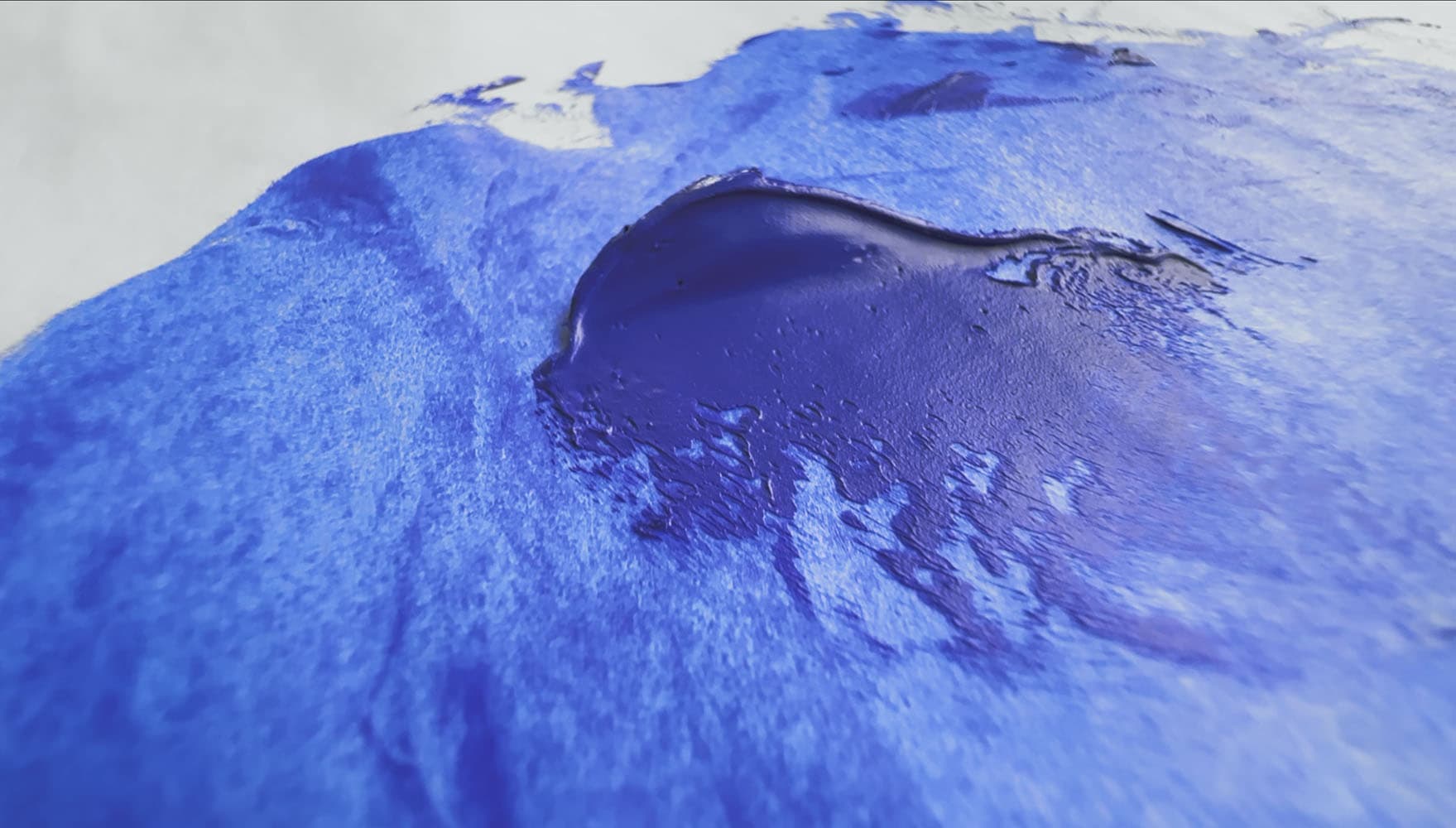
Isaro Cobalt Blue, PB28
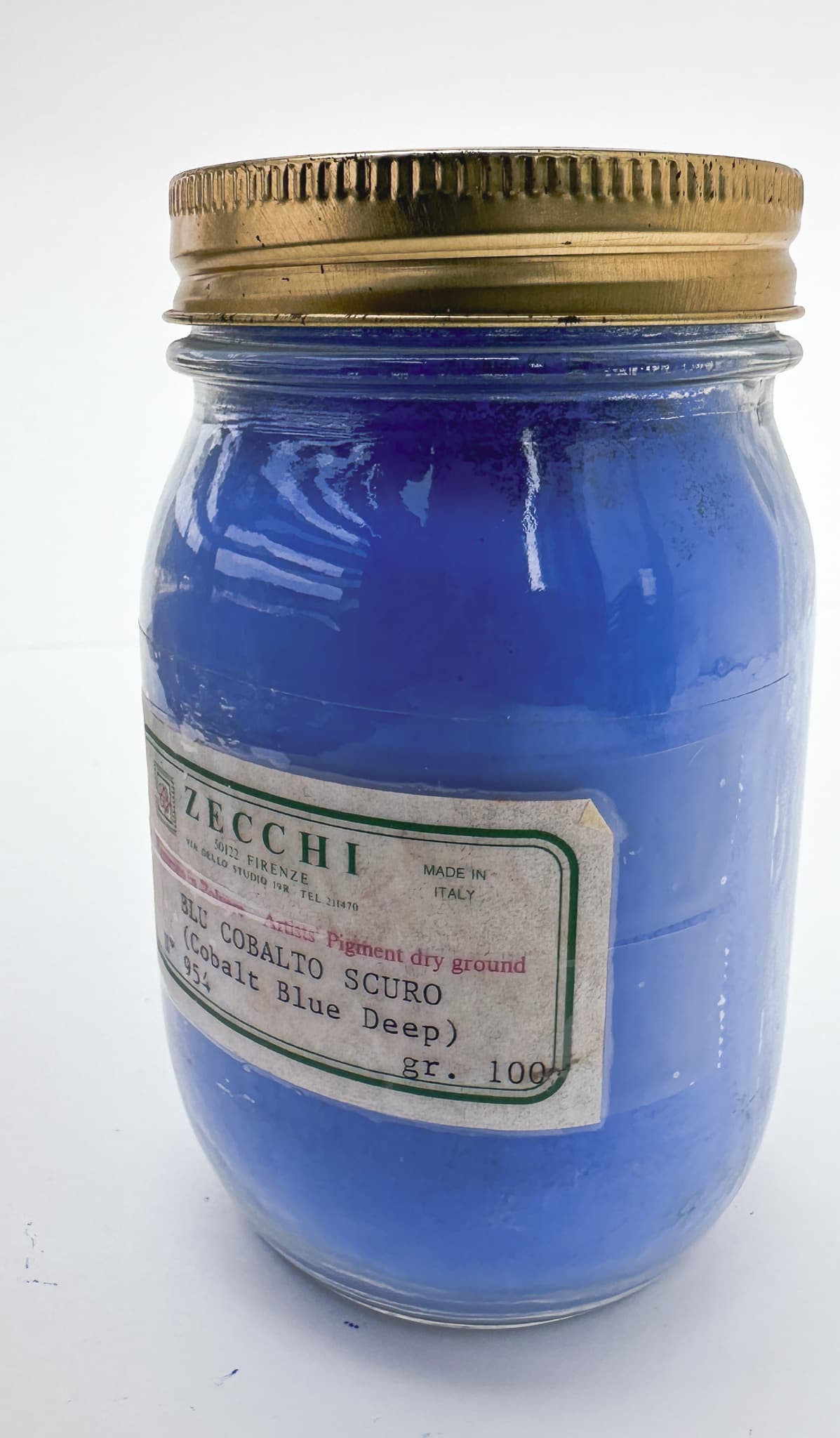
Zecchi Cobalt Blue Deep dry Pigment
Resources
PB28 pigment data from David G. Myers, The Color of Art Pigment Database, Artiscreation.com
Bomford, David, et. al,. Impressionism. London: The National Gallery, in association with Yale University Press, 1990. Internet Archive, Web. Accessed June 2025. https://archive.org/details/impressionism0000unse_z3w3
Church, A. H. The Chemistry of Paints and Painting. London : Seeley, Service, 1915. Internet Archive, Web. Accessed June 2025. https://archive.org/details/chemistryofpaint00churuoft
Field, George. Field's Chromatography : a treatise on colours and pigments for the use of artists. London : Winsor and Newton, 1885. Internet Archive, Web. Accessed June, 2025. https://archive.org/details/Fieldquotschrom00Fiel
Gettens, Rutherford J.. Painting materials : a short encyclopaedia. New York : Dover Publications, 1966. Internet Archive, Web. Accessed June 2025. https://archive.org/details/paintingmaterial0000gett
Feller, Robert L, ed.. Artists' pigments : a handbook of their history and characteristics. Washington, DC : National Gallery of Art, 1986. Internet Archive, Web. Accessed June 2025. https://archive.org/details/artistspigmentsh0000unse/mode
Information about PB28 from Bruce MacEvoy, Handprint Guide to Watercolors, General information about this class of pigments from Handprint
CAMEO Materials Database: Conservation & Art Materials Encyclopedia Online, Museum of Fine Arts Boston. (Accessed June, 2025). Cobalt Blue https://cameo.mfa.org/wiki/Cobalt_blue. Museum of Fine Arts Boston,
Mayer, Ralph. The Artist's Handbook of Materials and Techniques, 5th ed., New York, NY, Penguin Group, 1991. https://amzn.to/44OzBN9
Stats
Lightfastness
Excellent, with slight caveats
Golden’s Lightfastness Testing in oils revealed some quirks to Cobalt Blue. There is some variance in the range of colors which are part of this pigment code, and they may behave slightly differently in lightfastness tests. In the Williamsburg line their Cobalt Blue is PB28 and their Cobalt Blue Deep is also PB28, and the two variants showed a few differences in testing. In general their Cobalt Blue performed well in tints, however it was more sensitivity to certain forms of artificial photo aging than was expected. Also, this pigment’s lightfastness tanked in pure zinc white. In all of the lead whites tested, it slid to ASTM II (very good but not excellent). In all other mixing white tints it performed at ASTM I - excellent. Their Cobalt Blue Deep also displayed ASTM II behavior in Flake Whites. It was not as damaged by zinc. More details can be found here.
Transparency
Semi-Transparent, Semi-Opaque, Opaque
Oil paints range from Transparent to Opaque depending on their formulation
Toxicity
Hazard, Use more caution.
Hazardous, contains cobalt. Monona Rossol has information on cobalt pigments available through her site as well as the Artist's Guide to Health and Safety. CAMEO also comments on some of the toxic effects of cobalt. We are not toxicologists nor safety experts so please consult the relevant authorities and also SDS. More information may also be found on artiscreation.com. all pigments and paints with studio safety protocols.
Dry Time
Fast
2-4 days is a common, some take longer (3-7 days)
Oil Content
Medium to Very High
Moderately high or very high. Mayer has two entries for cobalt blue, one called domestic and the other unspecified. He placed both in the very high category with a score of 180 for oil volume for domestic, and 270 for the unspecified version. Either way they require a lot of oil. We would like to see every brand list oil by volume, however Williamsburg does this and lists PB28 regular and deep as medium for oil volume. Other sources suggest oil content by volume can be quite high depending on the binding oil. Approx 30-32 g/100g oil.
Particle Size
Very Fine to Fine
Chemical Name
Cobalt Aluminate Blue Spinel, cobaltous aluminate, or oxides of cobalt and aluminium
CoO.Al₂O₃, or CoAl₂O₄
DISCLAIMER: Please note that we are not experts in health and safety and we are not toxicologists, please consult the proper experts. We are not liable for any issues that may arise from the use of our website or its contents. The information contained in this site is provided without warranty or guarantee of any kind. We do not necessarily endorse any other website that are linked from our site. For any important pigment specs, please reference the manufacturer details. If you discover errors or omissions, please reach out through our contact form. Thank you.
