

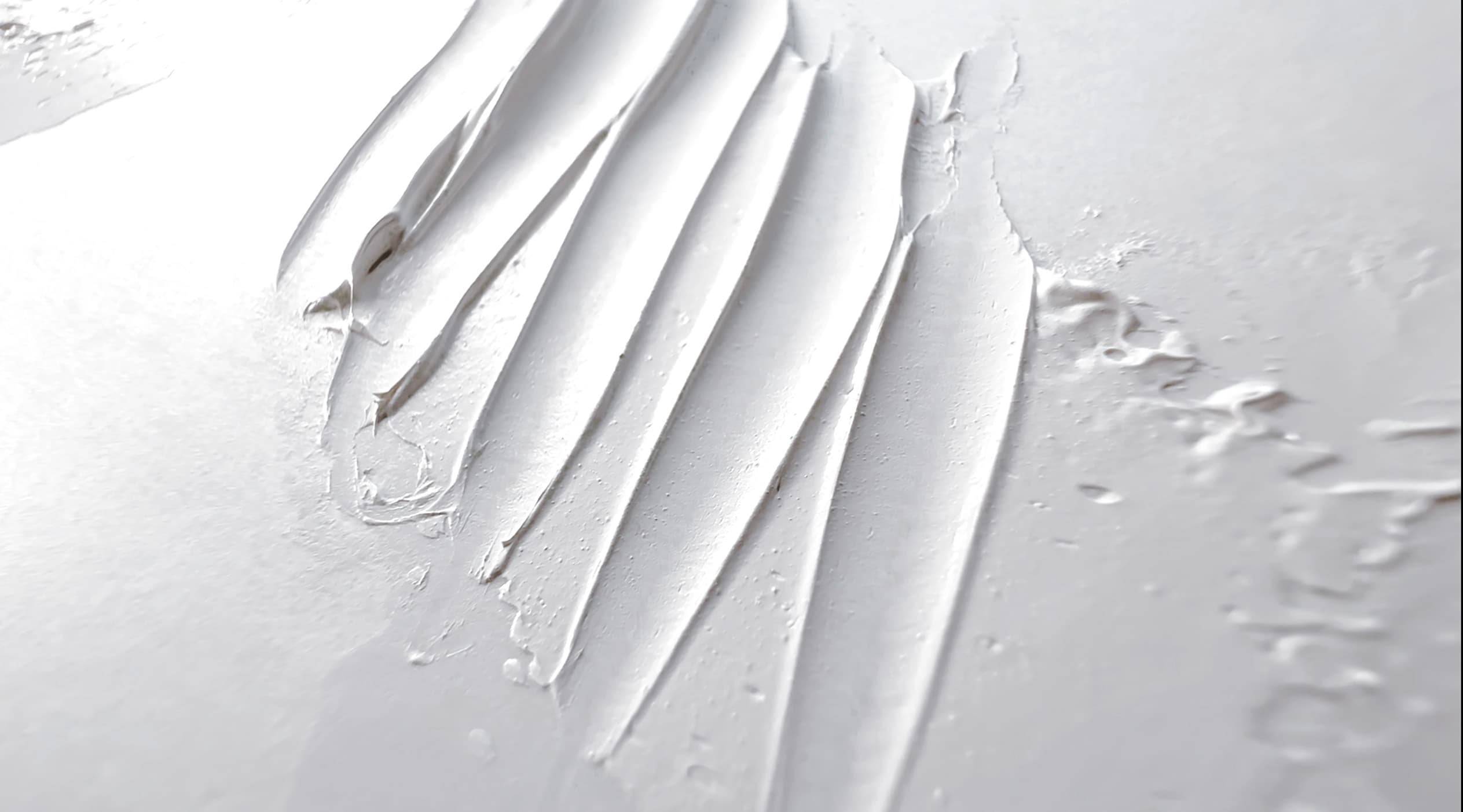
PW6 - Titanium White
This Ubiquitous Pigment is Cool, Inert, and Unruffled
Featured Paints
Titanium White, A 20th Century Palette Staple
White Like the Blizzard of an East-Coast Winter
The afternoon sun waned through the studio window as I took my paintbrush and dipped it into the cool crisp daub of Titanium White. This palette was getting rather old-- one of the few remaining relics from my days as a student at RISD. As I mixed, my mind drifted back to those days at school we had to haul our painting supplies up steep cobblestone streets to class in winter. There, it was a hazard to carry a huge palette around (a palette, which by the way, always had some remnant of active paint on it). A wooden palette that catches the wind with any remnant of undried paint is a wardrobe liability-- even this moderately-sized palette acted like a sail.
Painting students could be easily picked out among the other students walking across those picturesque streets lined with historic brick buildings and ginkgo trees. In contrast to the other art students criss-crossing between buildings, the painters looked sort of like pack mules laden with gear. Imagine for a moment the backpack weighted by a whole range of oil paints in metal tubes, a brush-washing jar with solvent, a bamboo roll of paint brushes, a large sketchbook for notes, possibly a water bottle and snack for an hours-long studio stint. Then there was the dead giveaway for a painting student— we'd have to balance a large palette scraped down from a recent painting session under one arm— plus one or two oversized stretched canvases on wooden frames, a painted picture (not yet dried as it was in oil) for the assignment to be graded, and the fresh canvas ready for that afternoon's painting session. All this was necessary in order to go to and from class, and it was a comedy, even on a day with good weather.
Titanium White is an icy white. White like the horizontal-blowing snow of the east coast winter, which howls sideways through the wind tunnels created by the skyscrapers. On the palette, the cool-toned blob of Titanium-- blessedly inexpensive enough for a student to use freely-- found its way into nearly every brushstroke. In art school there was no discussion of lead white. There was no discussion of zinc white. All of that had to be learned afterward.
If Titanium white is like snow, Zinc white is like ice. Often the two pigments were mixed together without painters knowing it.
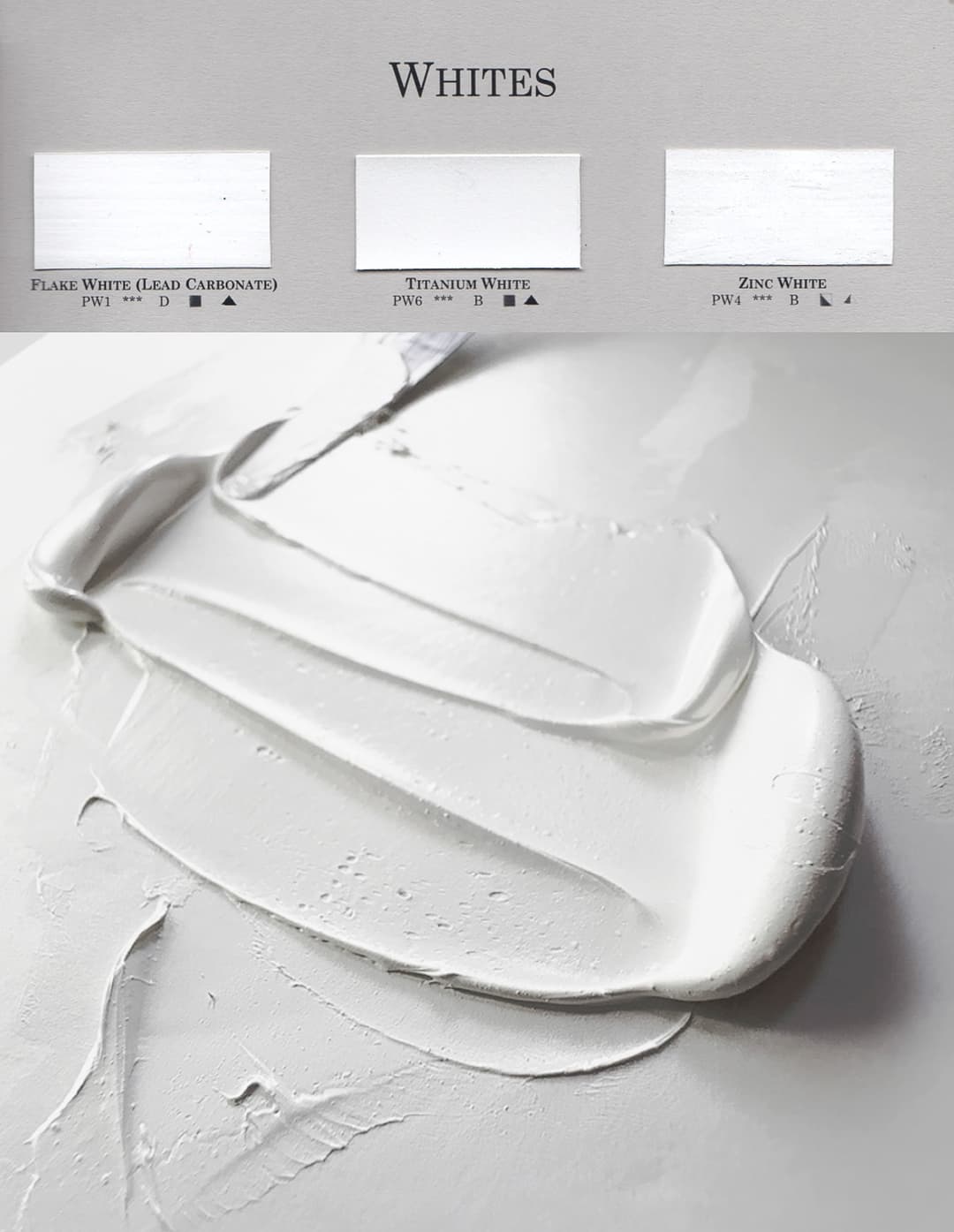
One of the three main pigments used by oil painters-- Titanium White, PW6.
The snow of a Rhode Island winter brought ice to those hillsides which had been paved over with sidewalks. A painter had to step carefully, and even so, comedy could turn to tragedy in an instant. In a twinkling, the upright person in all of their splendor became airborne, hung in the air for a freeze-frame half-second, and crashed flat on their backpack of supplies, while the palette took to the air and then coasted downhill with a serrated clatter -- dashing like a rainbow toboggan on the snow. Many a painter (including yours truly at one time) met with comedic disaster on those steep cobblestone streets. Perhaps it could be considered a rite of passage.
After such an episode, coming in from the frost to the warm air of the studio, with its yellow spot-lighting, its taborets, the hum of students meeting and greeting, brought a welcome thaw to even the most wind-chilled of faces. There is a feeling of a holiday in a painting studio filled with fellow students, followed by the rewarding ritual of getting out one's brushes, arranging one's paints on the palette, and setting up one's table for the day's session and getting to work. The one pigment that was poured out and used every time without exception was Titanium White.
If there was only one paint that has been there for every painting for my entire painting journey, it's been Titanium White. Is it too snowy? Yes. But it contrasts nicely with the warm colors of the painting studio, and the string of gleaming colors that make up the palette.
However, do check that snow for ice. You may want to be sure there's no Zinc white in there... and it's not always the case that there isn't.
Back in the present in my studio, years after art school, as I methodically crafted my mixes for the portrait at hand, and I contemplated how after all these years, I still used this wooden palette. This rainbow toboggan. This palette which was now too small for my purposes, though it was the largest one the local art store had offered. And though in the intervening years I had painted with lead white and experimented with things like chalk and lithopone, on the palette still— as ever, was a daub of Titanium White.
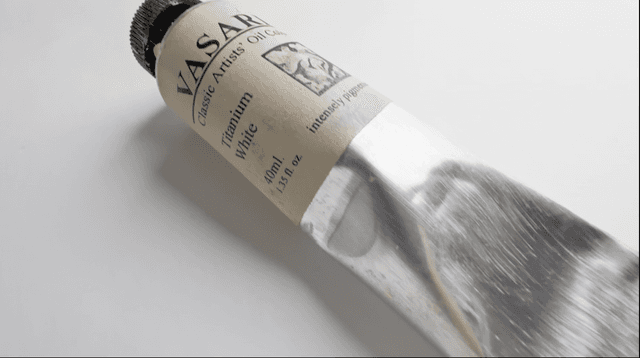
Vasari Titanium White in Linseed Oil
Opaque, Frosty and Bright
A Paint that is Used Everywhere
Pleasantly inert and strongly-tinting, Titanium White is one of the most-used pigments on the palette. Titanium is the white, which is shipped in every paint set and it's on nearly everyone's palette. Sure, it does not have the film strength of lead when dried, but it is also not toxic like lead (though don't breathe the dust-- and we would recommend avoiding eating it, even though historically it's been in quite a few food products). Mayer wrote, "The titanium pigments have the greatest opacity and tinctorial power of any of the [white pigments]. Titanium is the most important opaque white pigment in current use."
Besides being a very cool or bluish white, perhaps the greatest complaint is that Titanium Dioxide doesn't dry that well in oil. The paint film is a bit brittle and some say that thick passages may not age well (we've heard it can get a bit crumbly), so paint companies work out formulations to help Titanium fare as well as it can. Mayer summed it up well when he wrote, "…we have no entirely perfect white for universal pigment use." However, Titanium White is employed far and wide for its coverage, opacity, and brightness.
As a pigment it's easy to take Titanium for granted. Painters might complain about it being too harsh, having too much tinting strength, being too opaque and for being too bright. Those are actually good problems to have, as the painting world has needed an opaque bright white. It's wide adoption was a hallmark of 20th century painting, even though it was known of in the late 1800s. Even if you just need a bright white to paint a shine or a specular point, from a painter's perspective, there are good reasons to celebrate the invention of Titanium White.
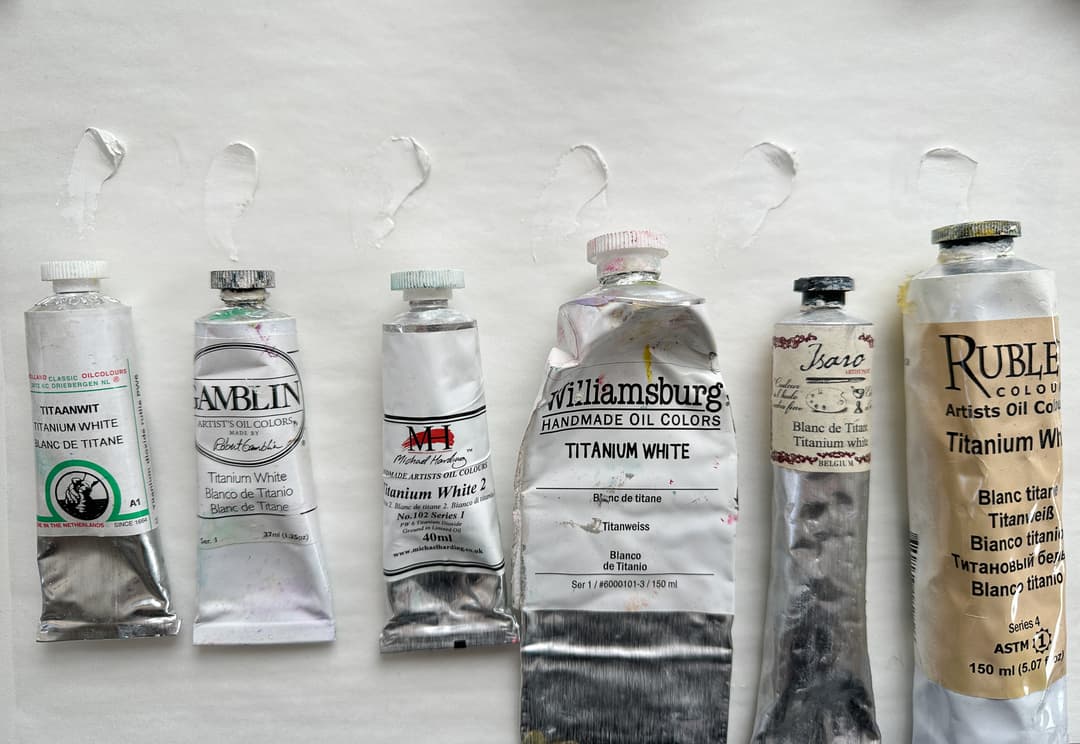
Which one to choose? Titanium White is an important artist pigment and each brand has their own particular interpretation of it. While they don't seem much different out of the tube (all are white) they all handle quite differently in terms of viscosity. They may also age differently depending on differences in their formulation
Overview
Quick stats about Titanium White
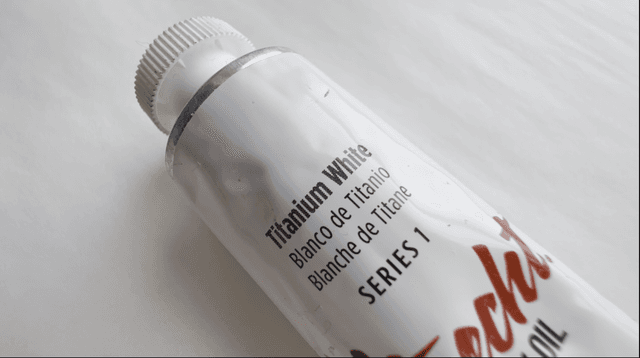
To pick a good Titanium White, we'd start with finding one that is zinc free (even if a tube is labeled "Titanium White," check the pigment info on the back of the tube to be sure it only says PW6 for a pigment code, and does not include PW4, which is Zinc Oxide). We'd also suggest starting out with a Titanium White bound in linseed oil for general mixing. There is a great amount of variety in the way the pigment itself can be manufactured and how the paint is formulated, and many of those differences are not disclosed by paintmakers, so it will help to try out different ones to see if you like the consistency. Many companies offer more than one version bound in different kinds of oils (linseed or safflower).
Quick stats:
Lightfastness: Excellent
Transparency: Opaque
Relative Dry Time: Slow
Strength in Tints: Strong compared with other white pigments
Oil content: Low
Toxicity: Low. Do not breathe dust (more info below)
Compared to other white pigments, Titanium White is
-Cooler than most Lead whites, PW1 -More opaque than Zinc white, PW4 -Far less toxic than Lead white, PW1
PW6 or Titanium White is sometimes called Titanium Dioxide. It dries slowly and is very likely to contain driers in oils. Some versions dry in 2-7 days, others in 1-2 days, which is very fast and indicates the presence of driers.
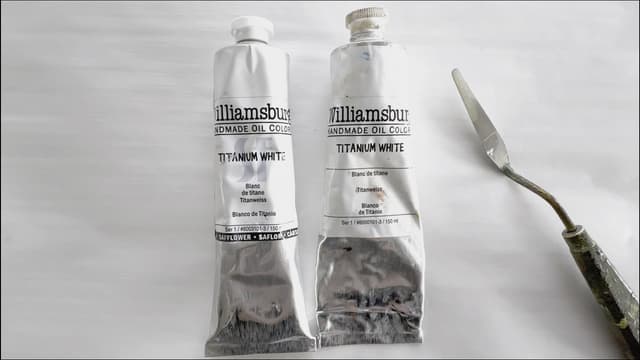
Williamsburg Titanium White in Safflower Oil
Often found in Larger Quantities
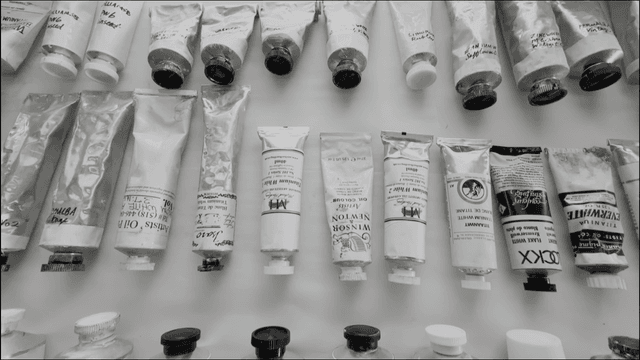
Painters tend to use more white than other colors, it is often a better value for a person to procure a larger tube of Titanium White. While the smaller standard tubes (what we'd call regular 40ml paint tubes) are pretty uniform from brand to brand, paintmakers vary a lot when it comes to the other sizes they offer. Some manufacturers will also offer can-sizes (e.g. 8oz, 16oz, 32oz, gallon, etc.).
Beyond the standard 40ml little tubes, it may be a bit difficult to visualize how many milliliters are in a given paint listing. Williamsburg's large tube is 150ml, Blockx sells 200ml, and Michael Harding offers 225ml tubes of Titanium White.
As a heads up, most of the Paint List paint pages link to the standard, aka smaller 40ml tubes. Since there are seemingly endless formulations of Titanium White, here links to some of the larger-sized tubes that we use the most.
Large Tubes bound with Linseed Oil
Williamsburg Titanium White in Linseed oil 150ml tube at Blick and Jackson's
Michael Harding Titanium White No. 2 in Linseed oil 225ml tube at Blick and Jackson's
Large Tubes bound with Safflower Oil (we use this sparingly)
Williamsburg Titanium White in Safflower oil 150ml at Blick and Jacksons's
Michael Harding Titanium White No.1 in Safflower oil 225ml at Blick and Jackson's

White Paints of various pigments often come in multiple options. While the regular, smaller tubes are fairly uniform (37-40ml), each brand may have a different tube for their large option. Williamsburg offers 150ml tubes as well as cans, Blockx offers 200ml tubes, and Michael Harding offers 225ml tubes in addition to their can-sized quantities.
Multiple Options for an Important Pigment
From different binding oils to different pigment blends, there's a lot of variety
Cool in Tints
Painter's Notes on Titanium White
Titanium is a cool tinting white with a lot of punch. A little will go a long way, especially among some of the more moderately-tinting pigments. In general, as a mixing white we prefer to use a pure Titanium White (PW6 only) in linseed oil for its film strength, and save the brighter safflower Titanium Whites for limited use in the final layer of a painting.
Mixes with Titanium have a certain look to them-- a chalky blue note. Mayer also alludes to this when he mentions, "The glaze produced by mixing black with white lead appears neutral or warm in comparison with the cooler, more bluish grays of titanium and black." Perhaps this look is infamous since most painters only paint with Titanium (not lead) and have not learned to counterbalance Titanium's cooler nature. Titanium tends to have a propensity to cool off mixes and it lends its opacity as well.
How to avoid chalky mixtures when using Titanium White: one tip I read during my first year as a painting student was that when lightening a color with white, one might wish to add a dot of an analogous color to the blend. To do this, select the target of the mix (say the task of lightening the color red to make a pastel tint). Find red's analogous color (orange or magenta are on either side). Select the color which is closer to yellow on the color wheel, so in this case red-orange or orange. Adding a dot of red-orange to the pastel red mix may help to counteract the blueness of Titanium White. In other words, when raising the lightness of the local color with Titanium White, the addition of another analogous or adjacent color one step closer to yellow into the mix could be helpful. Of course this is not a universally true rule (also, you'll get a sense of which direction on the spectrum the added dot of color needs to go based on which way your mix is headed). It's not a set-in-stone procedure, but it can at least provide a place to begin experimentation for beginning painters seeking less chalky mixes.
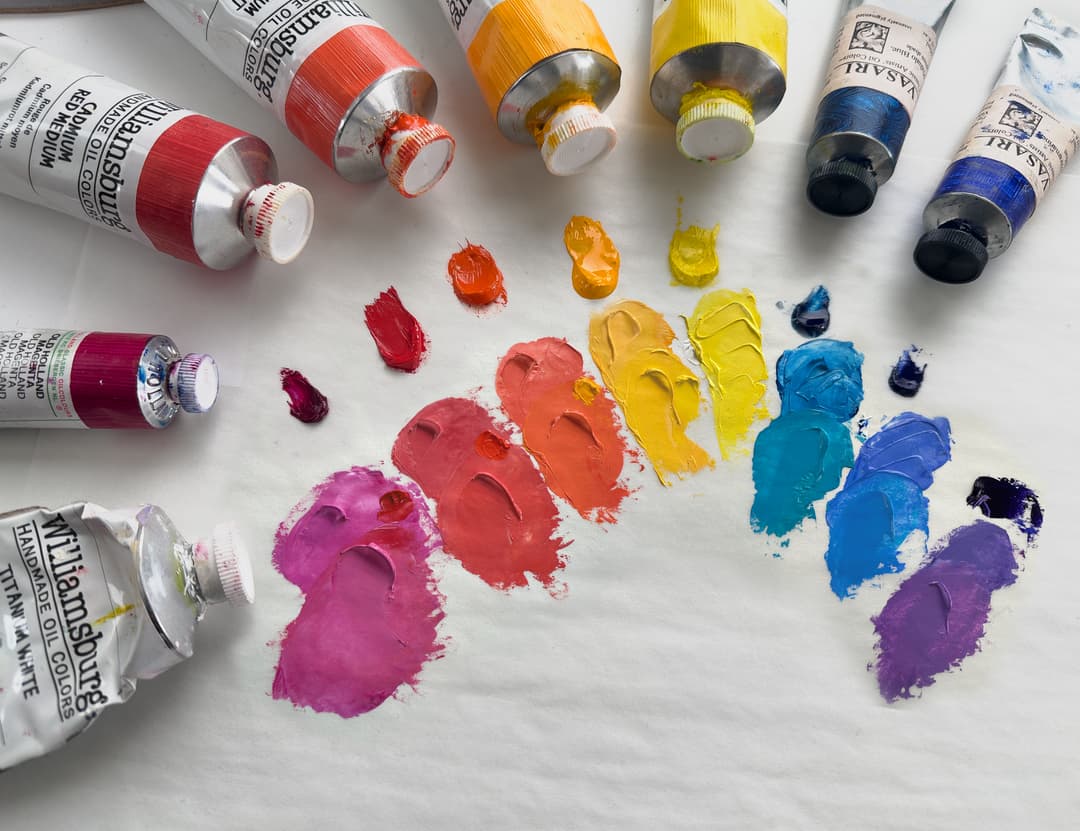
A strategy to mitigate the pastel chalkiness that may sometimes be encountered when mixing with Titanium White. For colors from red to yellow, mixing a dot of the color one step closer to yellow helps to warm a mix. For colors from blue to purple, mixing in a dot of the color one step closer to lemon yellow will also warm those mixtures. The top row shows the paint colors, row 2 shows colors mixed with just Titanium White, and row 3 shows the colors mixed with a dot of the adjacent color as well as Titanium White.
Which White Paint is Best for You?
Performance Revealed Over Time - Nearly 3 Year Test
The task of choosing the right white paint is a super tricky one. How a paint comes out of the tube isn't the best indicator of its long-term performance. These swatches of white paint were made in January 2023. In late 2025, almost three years later, they nearly look like they've been tinted with different colors.
Titanium white (or whichever white pigment is the used) is likely to get mixed into everything on the palette. Since the choice of white impacts everything, painters give a lot of attention to the specifics.
The discussion of which white pigment is best goes beyond the scope of this article, but here are some basics:
Choice of Pigments
Lead White, PW1. Lead tends to form the strongest paint films, but it yellows, and it is very toxic. Lead white tends to be a warm white.
Titanium White, PW6. Very opaque bright white which tends to have a cooling effect in mixtures. Considered nearly non-toxic, though do not breathe it in dust form as it is a carcinogen (consult the proper experts for details). Paint companies will often offer more than one formulation of Titanium White (such as a linseed and a safflower version), or in the case of Gamblin, there are three very different takes on Titanium White which were made for different purposes. Titanium White is generally a cool white.
Zinc White, PW4. A cool white that is filmy and capable of transparency, but a slow drier- even slower than Titanium. Has been linked to early embrittlement in oil paints as well as cracking.
There are more white pigments than these (such as Holbein's Ceramic White, or Lithopone), but these three are the main white pigments.
Choice of Binders
Paints are made of pigment and binder. Among oil paints there are several types of oil binders such as linseed, walnut, etc. Again, a full discussion of binders goes beyond this article, but here are a few basics:
Linseed Oil forms the strongest paint films but tends to naturally yellow
Safflower Oil seems to yellow less initially, but form less strong films. Safflower oil may have some drying problems.
Walnut Oil has been used historically. It is a naturally slow drier and in some thicker impasto passages we've experienced some chalking. May yellow less.
Poppyseed Oil is one of the slowest driers. It yellows the least, but is associated with cracking. We have heard some reports of re-liquification with poppy and safflower oils.
A detailed legend of the paints shown here may be found below.
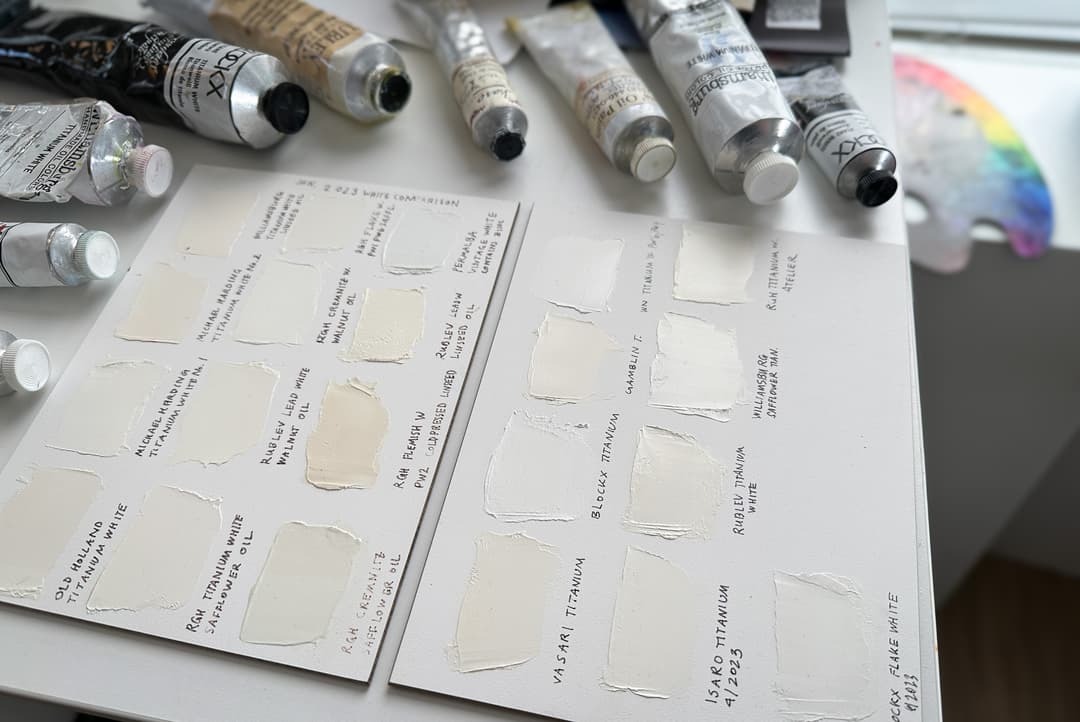
Various White Paints- Three Year Comparison. Each of these swatches started out white (some warmer, some cooler) and they aged quite differently. Different pigments, binding oils, additives, and other variables affect the way white oil paint performs over time.
Three-year Oil Paint Results
Legend to the Tests
Legend to the Results These paints were applied on Ampersand brand Gessobord.
Top Panel, Row 1: Old Holland Titanium White (PW6 Titanium in linseed oil), Michael Harding Titanium White No.1 (PW6 Titanium in safflower oil), Michael Harding Titanium White No. 2 (PW6 Titanium in linseed oil), Williamsburg Titanium White (PW6 Titanium in linseed oil).
Top Panel, Row 2: RGH Titanium White (PW6 Titanium safflower oil), Rublev Lead White No.2 (PW1 Lead in walnut oil), RGH Cremnitz White (walnut oil), RGH Flake White (PW1 PW6 blend in safflower oil).
Top Panel, Row 3: RGH Cremnitz White in Safflower oil (PW1 Lead in safflower oil), RGH Flemish White (PW2 in Cold-pressed linseed oil), Rublev Lead white No.1 (PW1 lead in linseed oil), Vintage Permalba White (pigments and oils unknown but said to contain zinc).
Bottom panel, Row 1: Vasari Titanium White (PW6 Titanium in linseed oil), Blockx Titanium (PW6 Titanium in poppyseed oil), Gamblin Titanium White (PW6 Titanium in linseed oil), Winsor and Newton Titanium White (PW6, PW4 Safflower oil).
Bottom panel, Row 2: Isaro Titanium White (PW6 Titanium in Linseed Oil), Rublev Titanium White (PW6 Titanium in linseed oil), Williamsburg Titanium White (PW6 Titanium in safflower oil), RGH Atelier Titanium White (PW6 Titanium in cold pressed water-washed linseed oil).
Bottom panel, Row 3: Blockx Flake White (PW1 Lead in poppyseed oil).
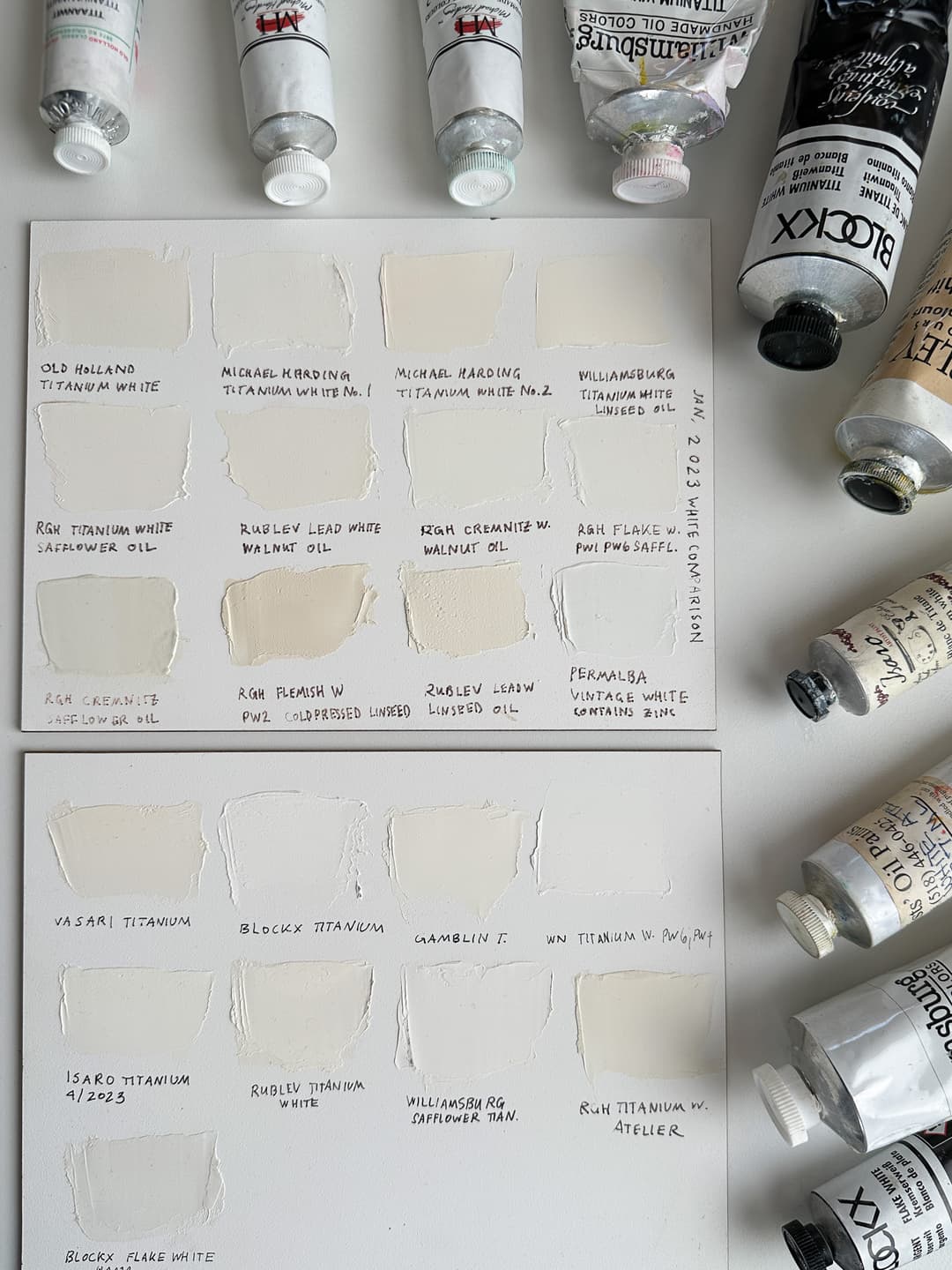
A variety of white pigments in different oil binders after three years. This panel does have some 'dark-yellowing' as oil paints take on a deeper cast when kept in the dark. However the color differences are revealing.
Different Versions of Titanium White
Michael Harding's three Titanium Whites highlight some of the issues
Titanium White in linseed oil is a palette staple for most painters. Linseed oil, though it has a natural propensity to yellow, forms the strongest paint films.
Interestingly, Titanium White is not a fantastic drier in oils-- Titanium left to its own devices dries very slowly indeed. However it is known to dry even more slowly when bound in Safflower oil than in Linseed oil. Among linseed oil Titanium Whites, some contain more driers than others.
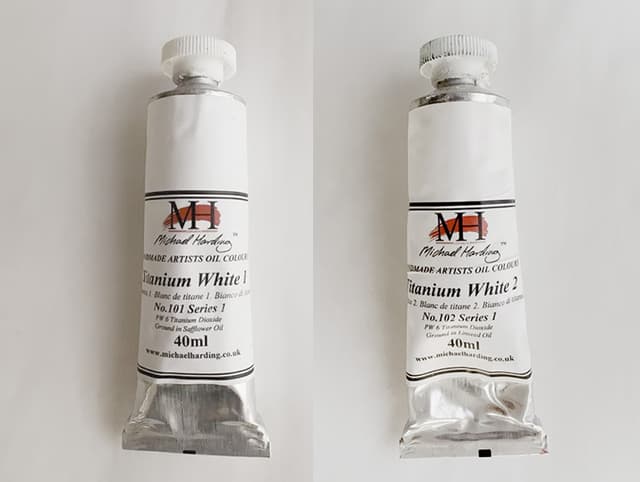
While most paint companies make two Titanium Whites (Safflower and Linseed), Michael Harding went further and created a third option for artists. He has a safflower, and two linseed versions-- a regular linseed, and a linseed with extra driers. We really appreciate that Michael Harding made two linseed versions so that artists can choose whether to use more driers in their paints.
In an interview written by Lucille Smithson, Michael Harding discussed each of the three paints. He is quoted as saying, "Titanium White No. 1 (series 1) is ground in safflower oil giving the oil paint a cleaner, brighter appearance. Safflower oil is generally slower to dry over a linseed oil based paint. Artists who want their paint to remain “open” or rather wet for a number of days use my No. 1 so they can revisit areas and rework them.
Titanium White No. 2 (series 1) is ground in linseed oil. Artists who want their paint to dry faster than a safflower oil use my Titanium White No. 2.
Titanium White No. 3 (series1) is ground in Linseed oil also. But, this paint is a naughty paint. I don’t even like discussing it because I feel coerced by artists living in damp studios who continuously lobbied me for a “teensie, tiny bit” of a drier in a paint so their works would be ready for academic turn in times, art openings and grand occasions where they have left painting for the last minute and have got to provide a finished product. Sigh My least favourite paint in my line."
On the site it says, "Titanium White No. 3 (No. 130) is identical to Titanium No. 2, except this formula has the addition of cobalt drier. I formulated TW3 for artists who need a white that can dry quickly, especially in colder climates. Please consider that the addition of dryers can result in compromised longevity of the paint film. The [Titanium White No. 3] is the only paint within our range to have this addition.“ -Michael Harding Oils.
Michael Harding Titanium White No. 1 in Safflower Oil. Larger size tubes of 225ml available at Blick and Jackson's
Michael Harding Titanium White No. 2 regular in Linseed Oil, 225ml size available from Blick and Jackson's
Michael Harding Titanium White No. 3 with added driers in Linseed Oil. available in 225ml from Blick and Jackson's
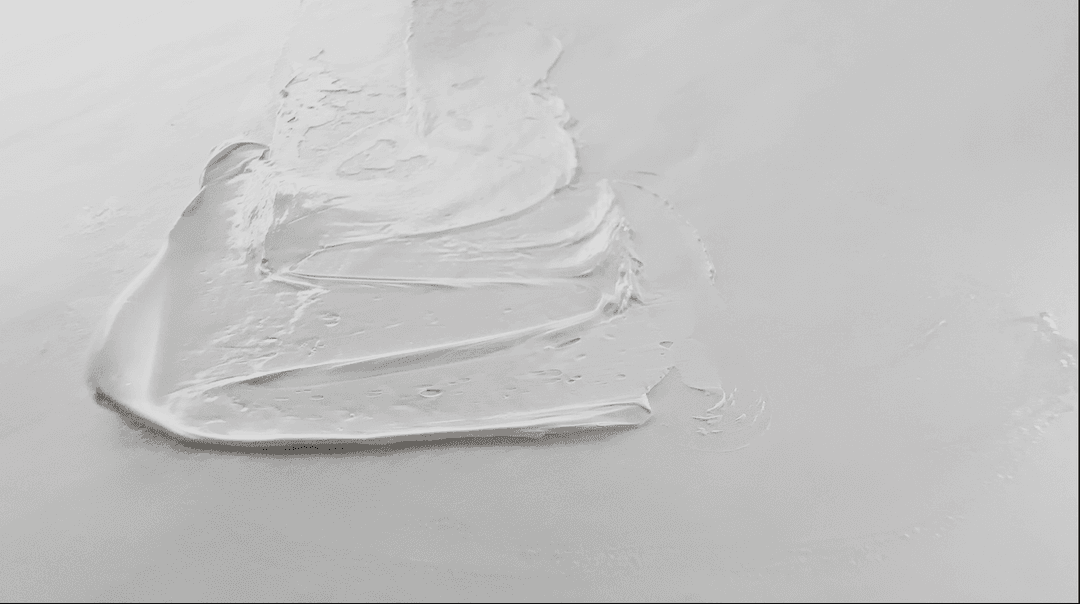
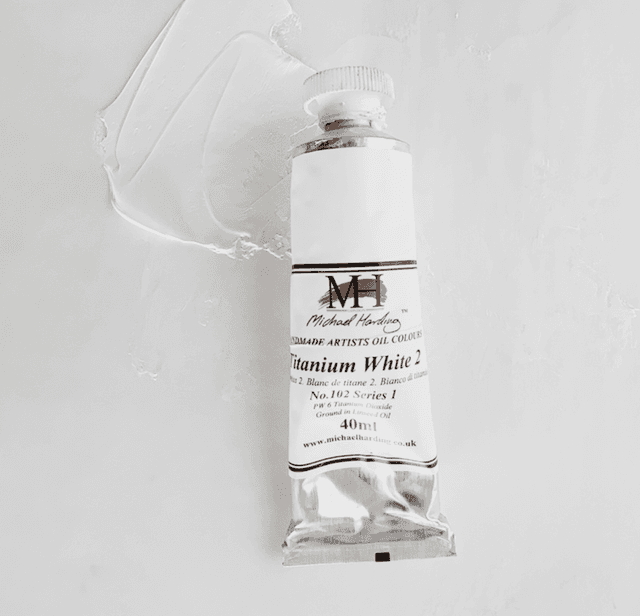
Michael Harding Titanium White No. 2 in Linseed Oil (one of two linseed oil options). Titanium White No. 2 does not contain driers.
Michael Harding Titanium White No. 2 in Linseed Oil
One of the two Michael Harding Linseed versions of Titanium White
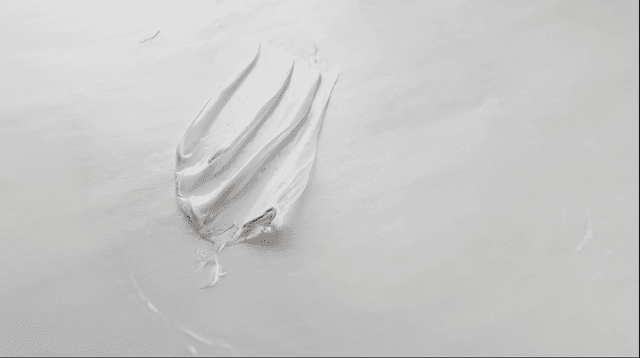
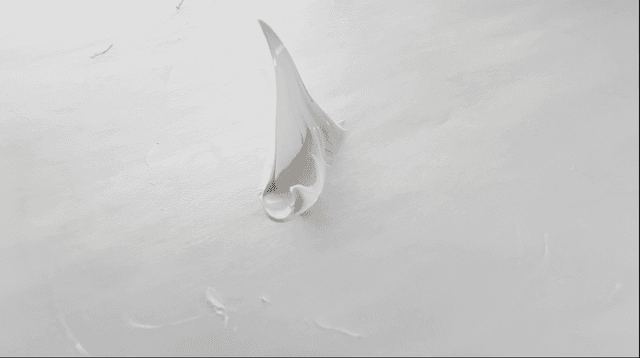
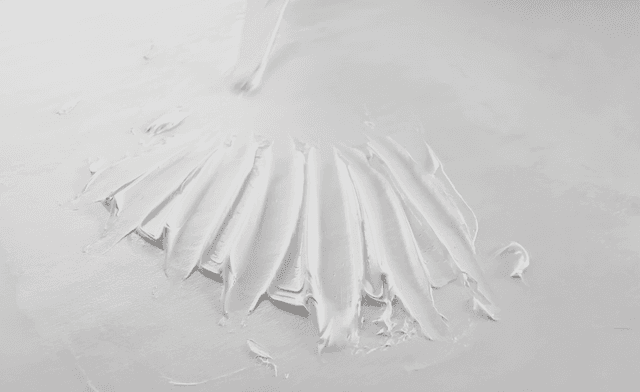
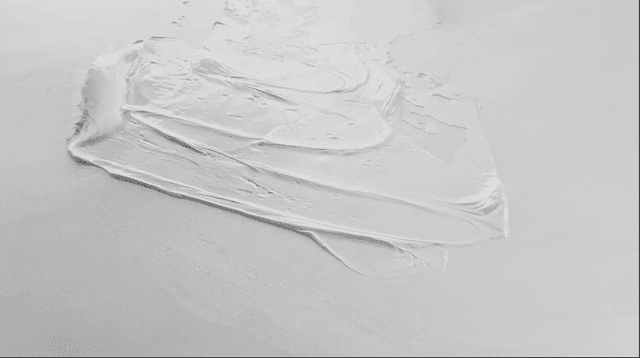

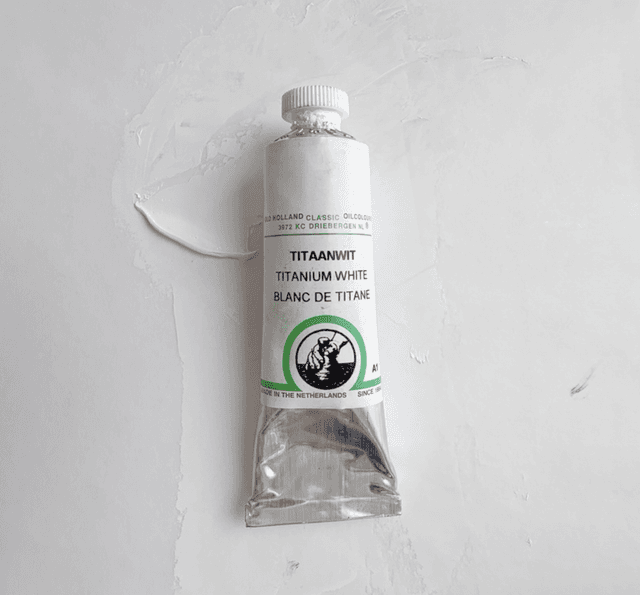
Old Holland Titanium White in Linseed Oil
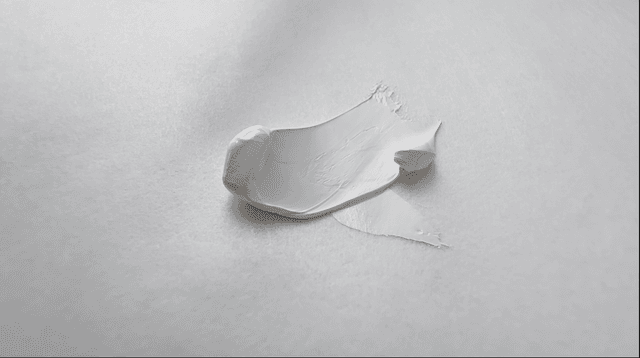
One of the stiffer formulations of PW6
Each paint brand makes their Titanium White a bit differently. In linseed oil, paints come in a whole range of consistencies with Old Holland on one end of the spectrum and Vasari or even Rublev on the other.
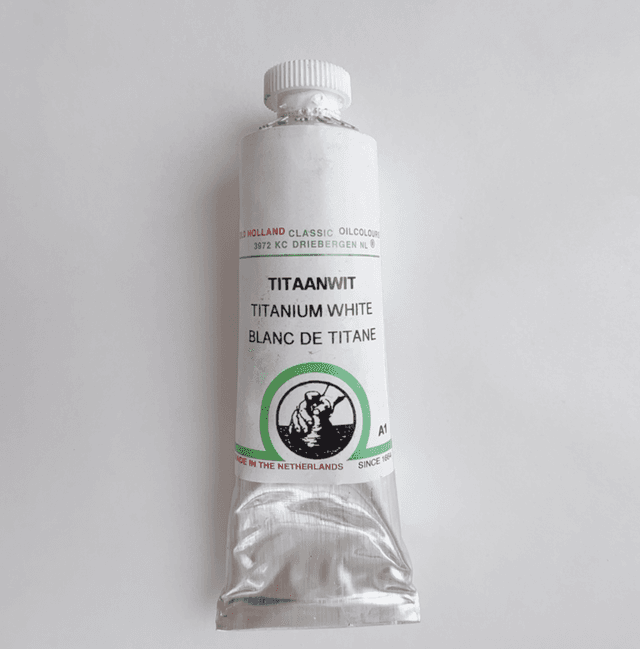
Like much of their line, Old Holland formulates their Titanium White to be quite stiff. While we don't know how the make their Titanium White, Old Holland has been said to use hydrogenated castor oil (castor wax) as a stabilizer in their paints.
The Jackson's site has the following description of the Old Holland tube, which applies to Titanium White in general: "Titanium White is a slow drying, opaque white. It will add opacity to color mixes and significantly lighten tone. Good for highlights towards the end of a painting."
The paint page links to the smaller standard 40ml sized tube, but if this Titanium White is one of your favorites, you may wish for the larger 125ml tube or the larger 225ml tube from Blick, or the 225ml tube from Jackson's.
For a more moderate amount, we also love the look of this svelte, narrow 60ml tube from Jacksons, too.
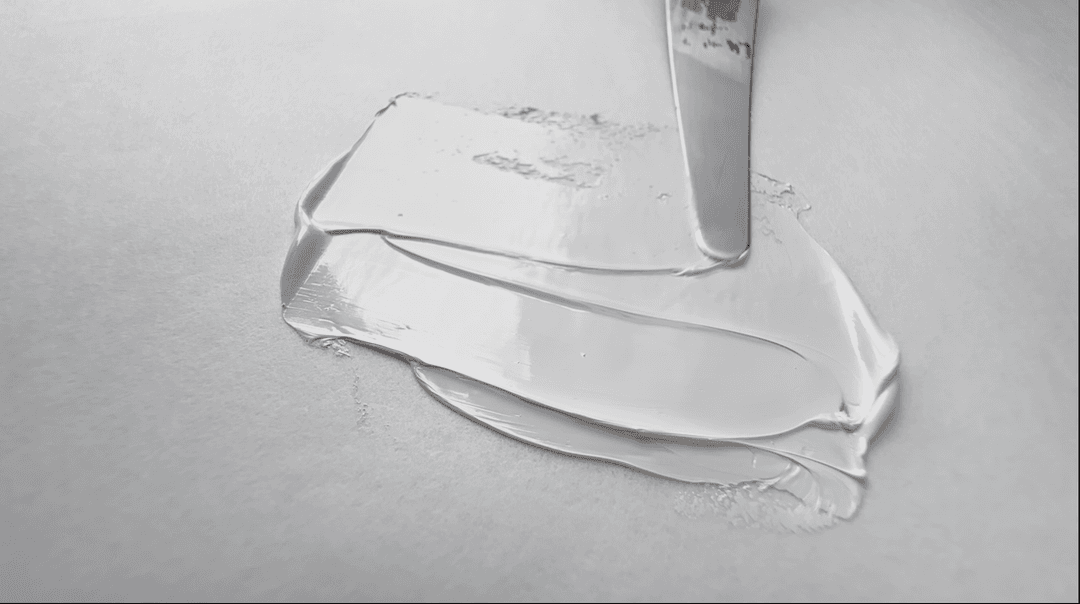
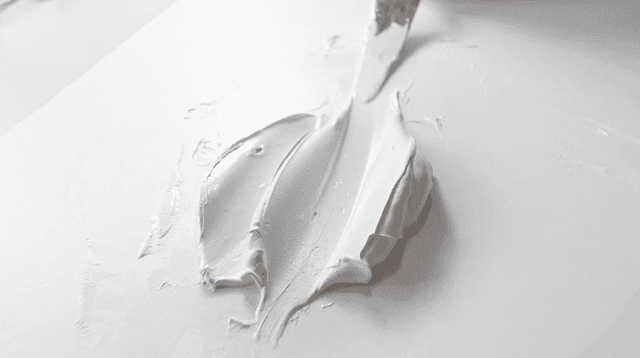
Old Holland Titanium White is bound with linseed oil and has a thick, crisp consistency
Old Holland Titanium White in Linseed Oil
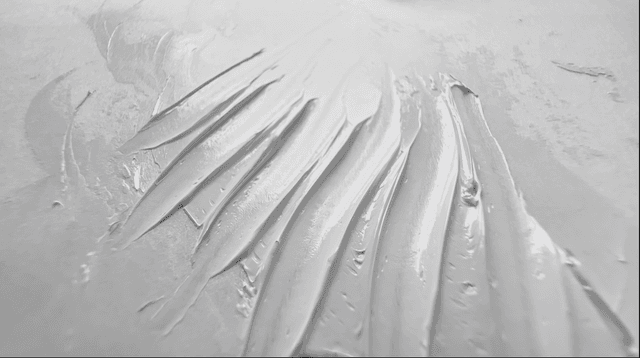
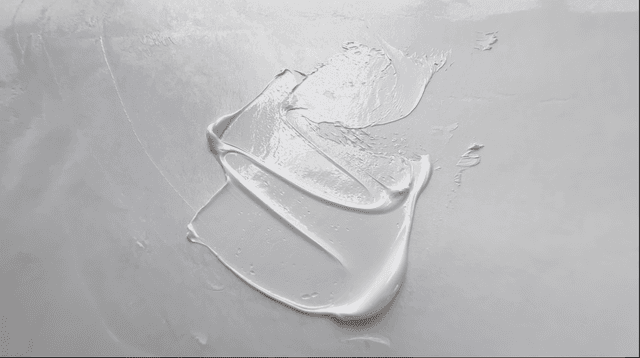
Vasari- a Titanium in Linseed Oil with a Gliding Consistency
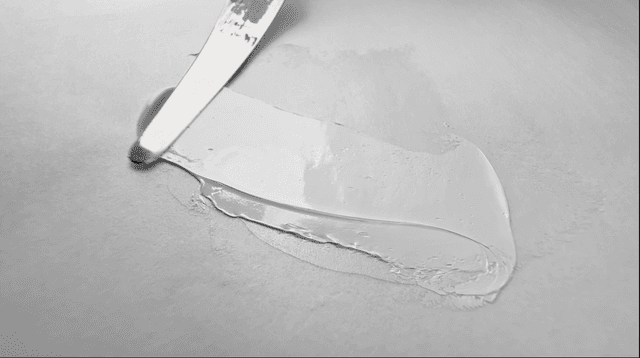
Smooth, Slick, and Buttery
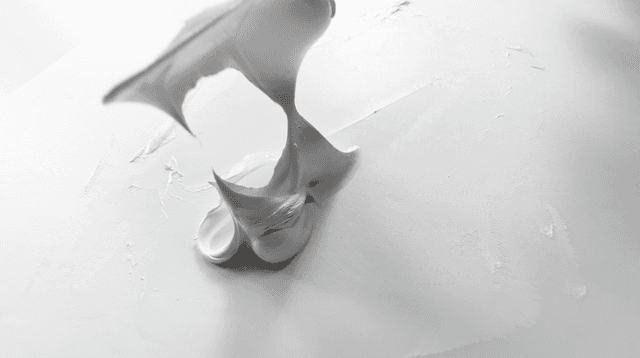
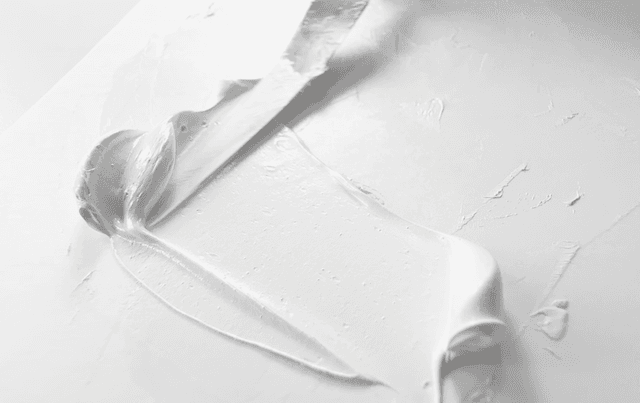
Vasari Titanium White in linseed oil is on the opposite end of the consistency continuum as a much looser paint. Larger sizes are available on the Vasari site, such as the 175ml tube.
Titanium White will likely get mixed into every other color on the palette, so painters wishing for a touch of the Vasari feel can use their Titanium White in lieu of some degree of painting medium to impart a bit of Vasari-feel to the rest of their colors.
Of this color, Vasari says, "Containing only Titanium pigment, and no Zinc, our pure Titanium White offers total opacity and maximum color strength for a white, with a dense heavy consistency and robust tinting. Non-poisonous."
Interestingly enough, Williamsburg Titanium white mixed with Oleogel will also emulate the feel of this white paint.
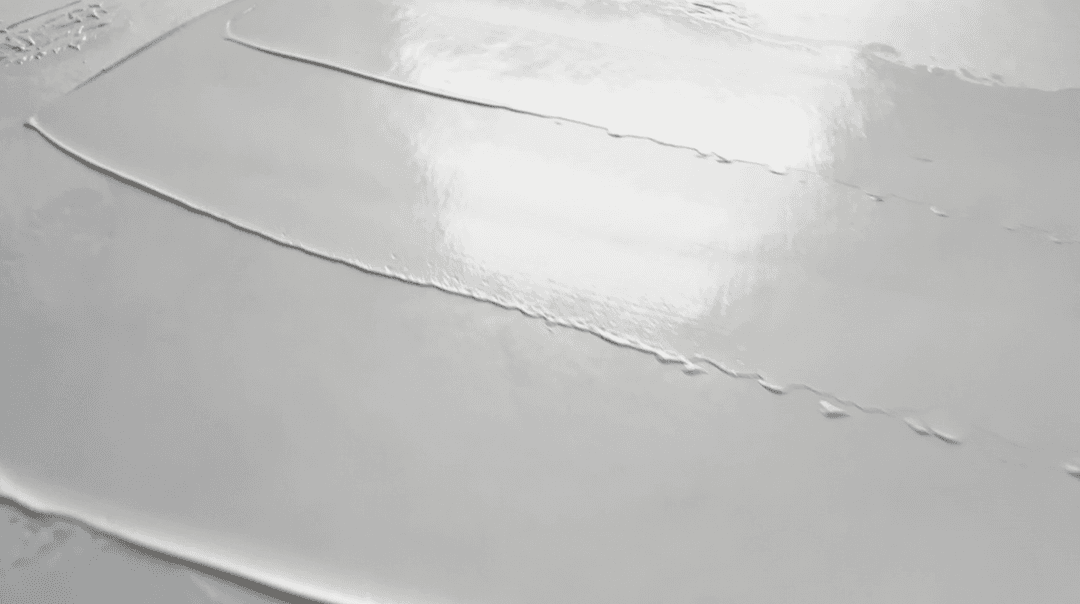
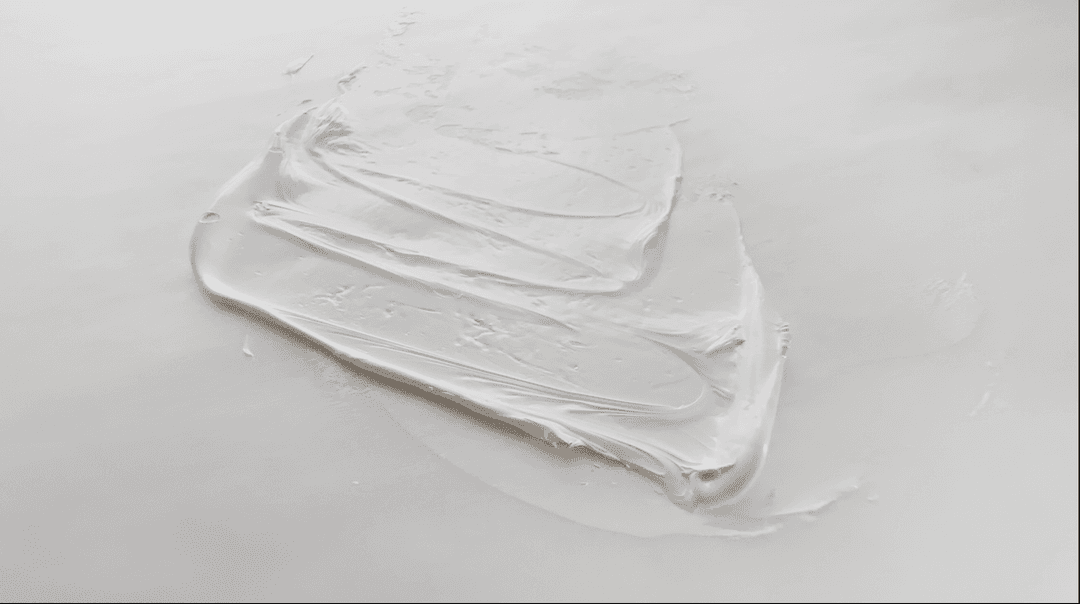
Vasari Titanium White in Linseed Oil- a Gliding consistency
Vasari Titanium White in Linseed Oil
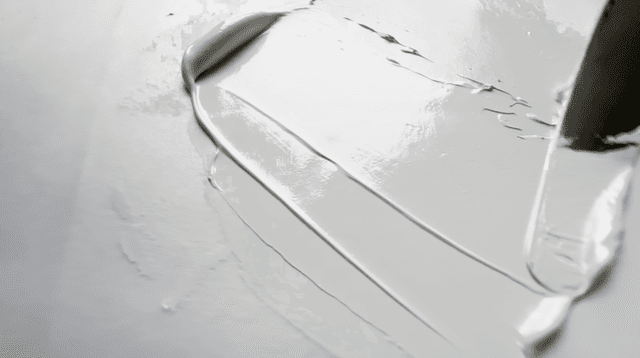
Buttercream
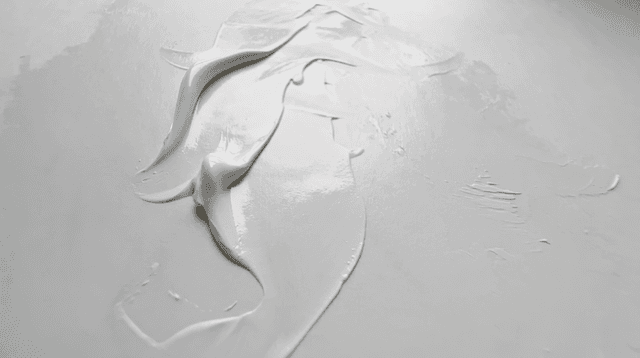
Another category for texture
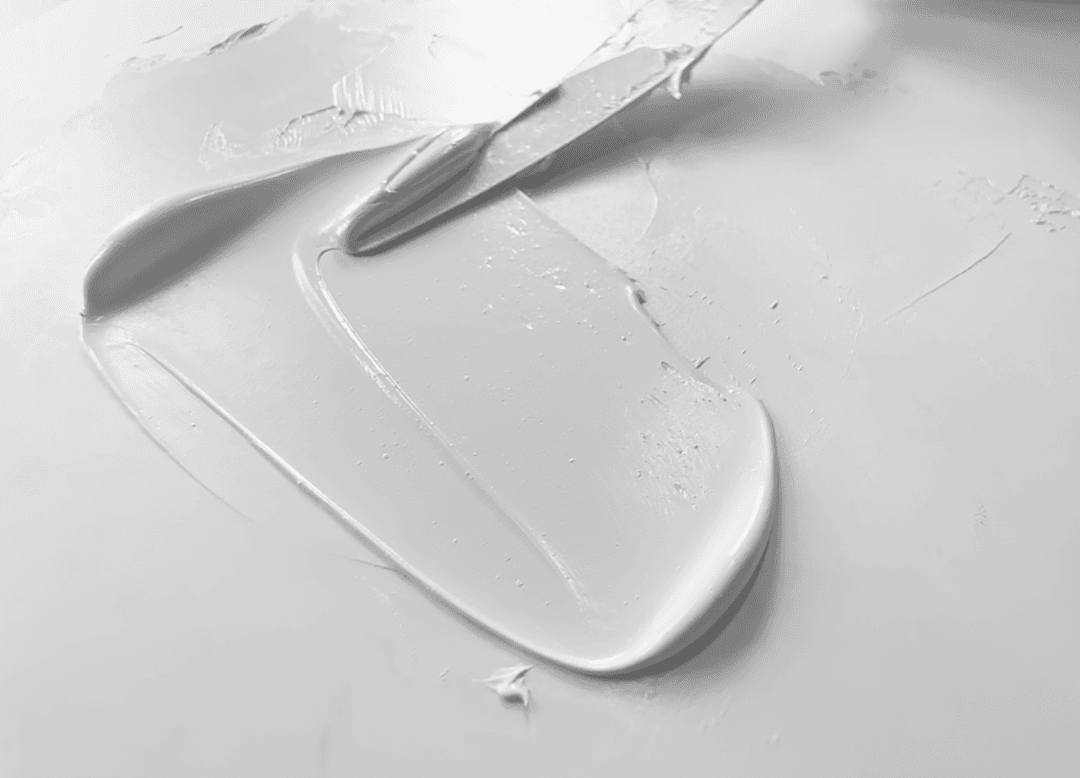
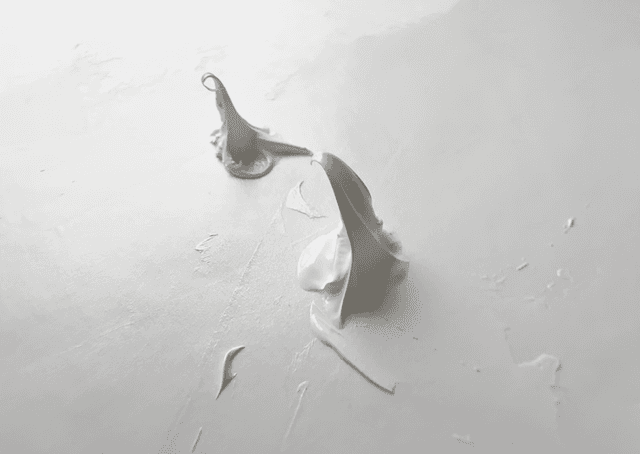
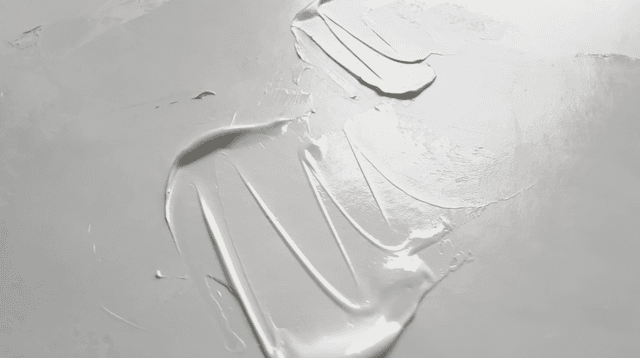
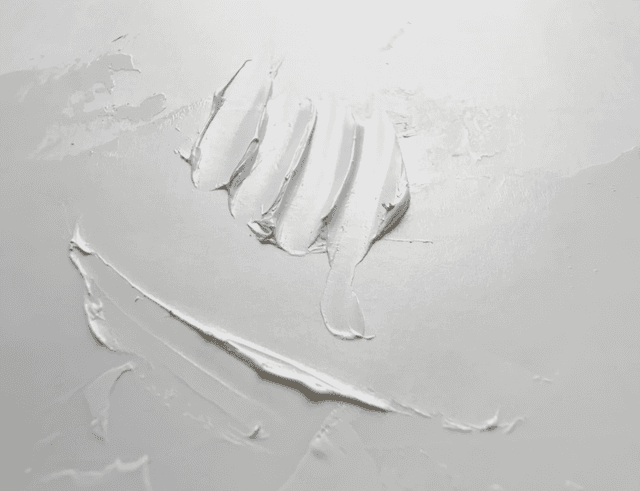
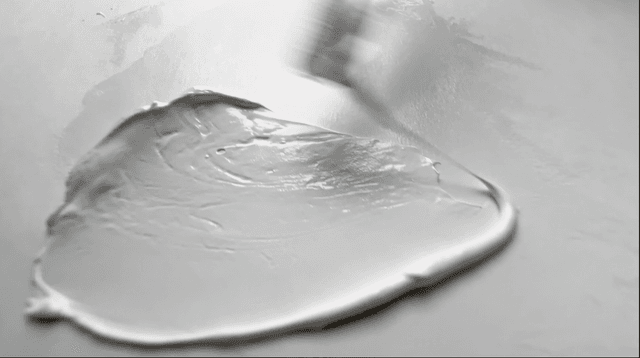
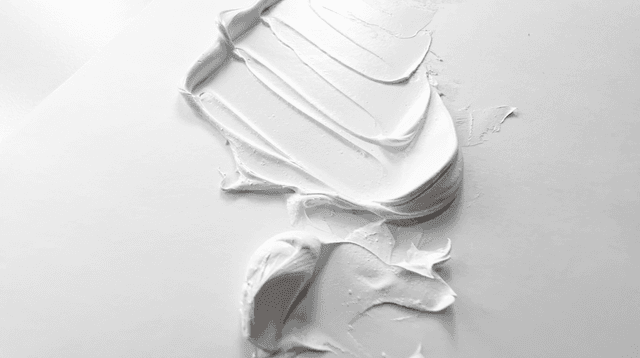
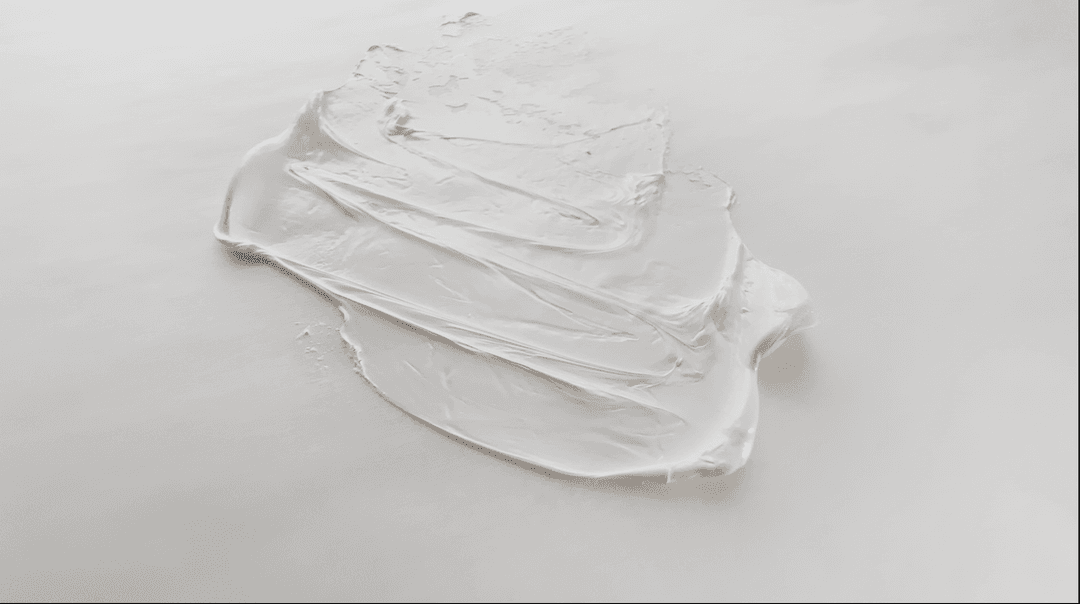
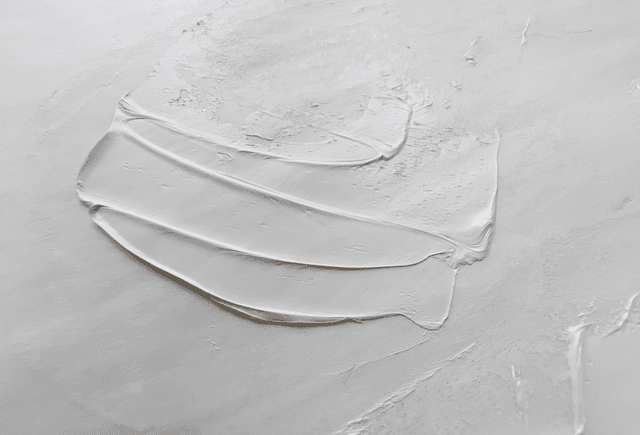
Neither stiff nor flowing, some paints are almost fluffy! It's difficult to fully capture the feeling of a paint in a photo, but a great example of the Buttercream consistency is Williamsburg.
Williamsburg (owned by Golden) makes two Titanium White colors, one in Linseed and one in Safflower. This one, in linseed oil, is one of our favorites. To keep tinting comparisons consistent on Paint List, we chose to pick a standard Titanium White to use for all of our tinting comparisons, and we chose Williamsburg's Titanium White in Linseed. Even though we paint with many different titanium white paints by different brands for different purposes in our artwork, this remains one of our favorites.
As Mayer said, there is no perfect pigment when it comes to white. The Williamsburg version interests us, and not only for its enjoyable handling. Williamsburg has published their research on the yellowing of various Titanium White formulations based on which additives are used, and their open approach to research gives us more confidence in their particular formulations. Whatever ingredients they've decided to put in their take on it, they've shown in this article that they're thinking about how their paint holds up long-term and performing empirical tests.
Their formulation contains beeswax, and some painters wish to avoid beeswax for conservation purposes. More on beeswax and other Titanium White inclusions are discussed this article and expounded upon more below.
Here's the Paint List entry for Williamsburg Titanium White in linseed oil, but it links to smaller 40ml tubes. The larger 150ml tube may be found at Blick and Jackson's
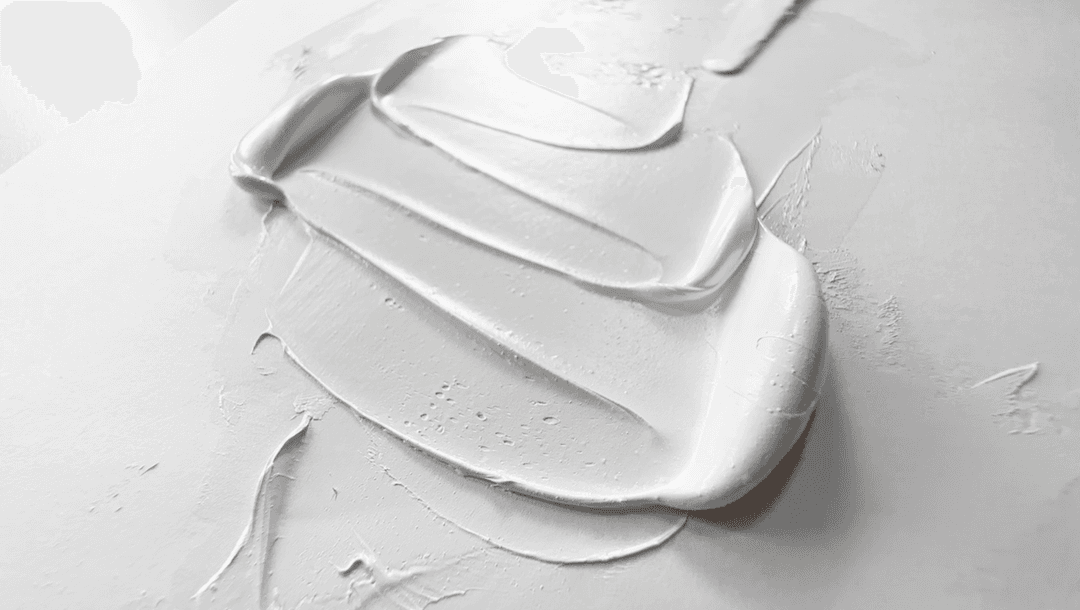
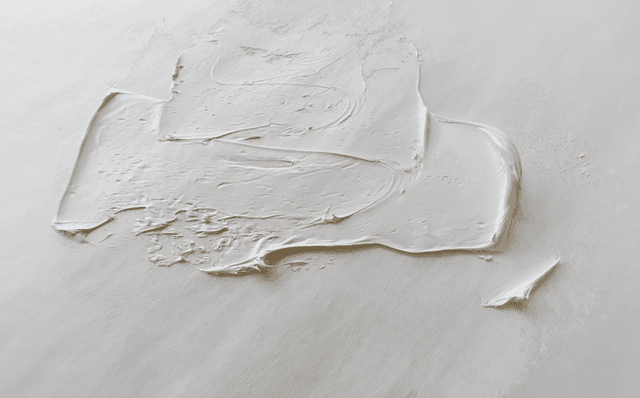
A paint that has a buttercream consistency. Williamsburg Titanium White, PW6, in Linseed Oil by Williamsburg
Williamsburg Titanium White in Linseed Oil
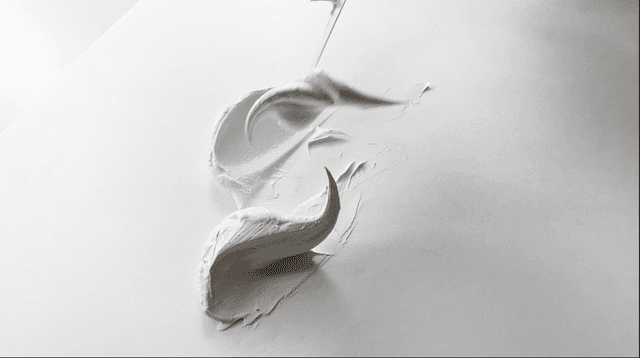
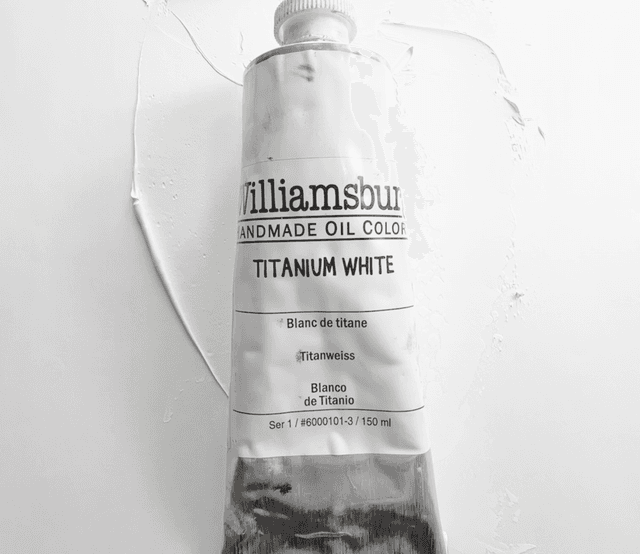
More PW6 Titanium White Paints in Linseed Oil
On the Choice of Binding Oils
Choice of binding oils
Titanium White may be bound in one of several binding oils, and the choice of oils may affect the whole painting. There are immediate differences that one notices in the feel or handling of paints made with different binding oils as well as much bigger differences that may be felt over time. As the paint dries, the natural yellowing of linseed oil may be a bit frustrating, however in the really long term, linseed oil does form the strongest paint film.
In the quest to avoid yellowing, sometimes a safflower or even poppyseed oil binder may be chosen for Titanium White. However, it's important to understand the tradeoffs involved such as a binding oil's film strength and drying time.
But before we go too far down that path, Golden's article on the yellowing of oils showed some surprises as well as some nuance. Titanium White in pure linseed didn't actually fare the best, and their results showed that other inclusions may be beneficial. We won't go into all of it here as their findings can be found in the article On the Yellowing of Oils and the follow-up article here. In short, on the topic binding oils, multiple issues are often being tackled at once, and these separate issues often get conflated and superimposed on one another.
The choice of binding oil may change depending on which layer of a painting is concerned. Conventional wisdom says that linseed is better for the lower levels of the painting, while other binding oils which have longer dry times and more drying issues should only be used sparingly on the topmost layer of the work.
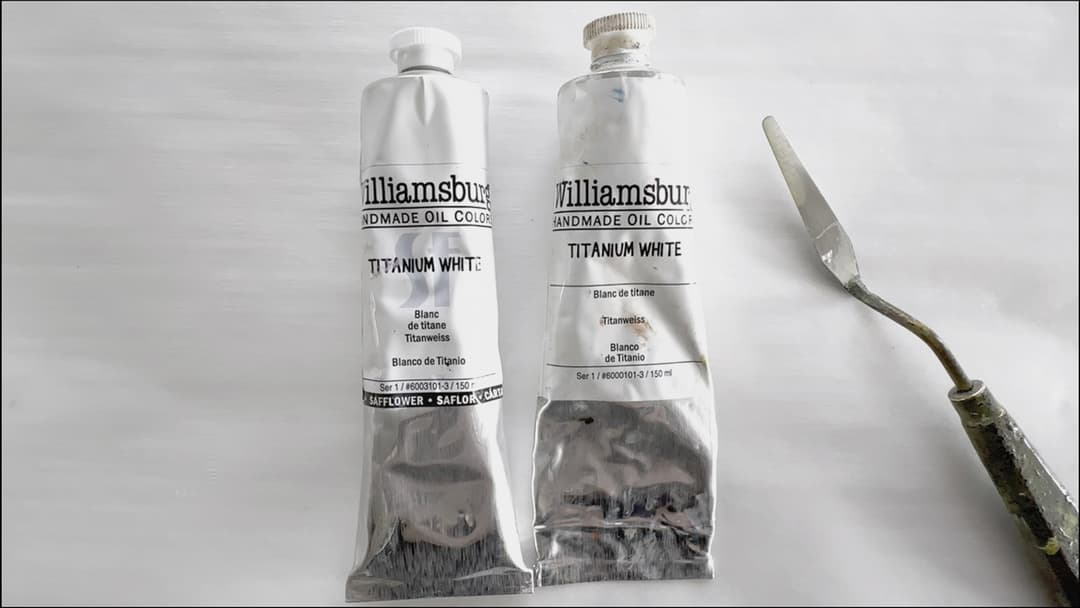
Choice of oil is important enough that many paint companies will make 2 versions of Titanium White bound in different oils.
Michael Harding Titanium White No. 1 in Safflower Oil
For those moments when you want a bit of white to stay extra bright, safflower oil is an possibility. We've said it many times that it must be used judiciously, and that early research from Golden (Williamsburg) shows that safflower oil may itself affect the lightfastness of a handful of pigments. However, despite the potential drawbacks, safflower oil remains a very popular choice for Titanium White.
Of this color, he writes, "Titanium White No. 1 is the most brilliant white in my range, suitable for crisp, cool, opaque, light shades. If you want a powerful mixer that lightens, then this is it. Although not subtle, this white is the most suitable for a bright, fresh palette. It forms a strong and durable film when cured. PW6 is an inorganic pigment...Safflower oil is a pale, slow-drying oil. As it is a paler yellow than linseed oil, lighter pigments (whites and soft blues especially) maintain their brightness when mixed with safflower oil." The drying speed is listed as very slow.
Since our Paint List paint pages link to the smaller, standard sized 40 ml tubes, here's a link to the large tube of Michael Harding Titanium White No.1 in Safflower oil 225ml at Blick and Jackson's
Michael Harding Titanium White No. 1 in Safflower Oil
Michael Harding Titanium White in Safflower Oil
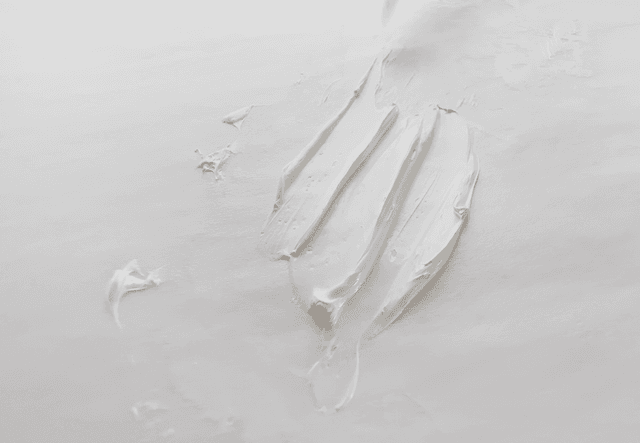
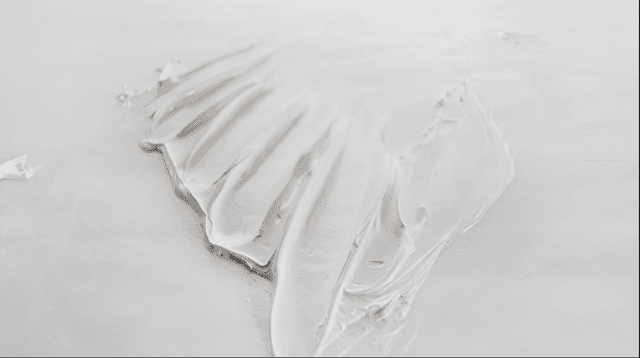
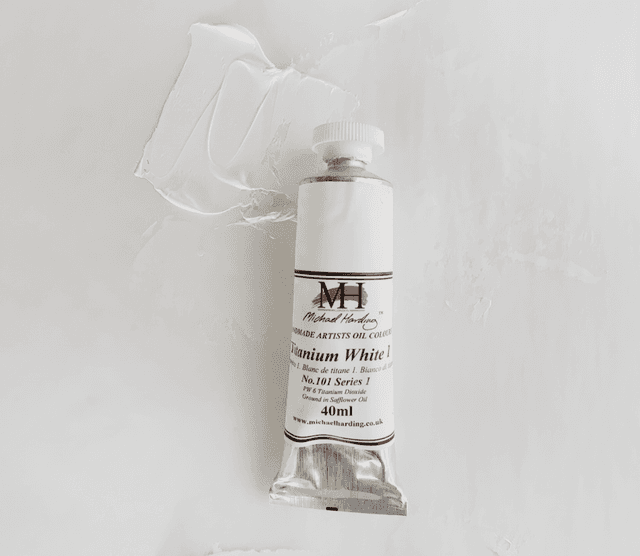
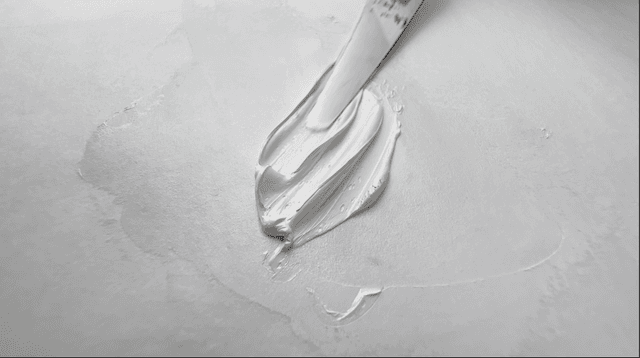
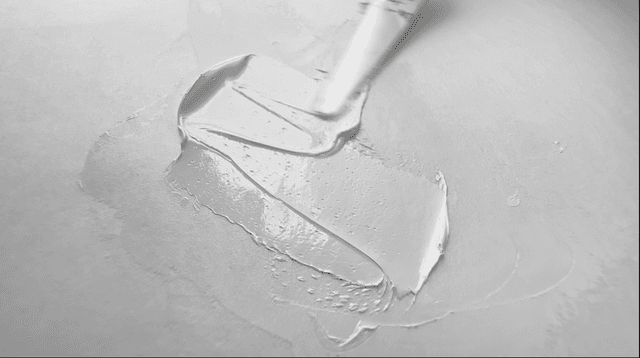
Williamsburg with Safflower Oil
Chiffon-like in texture, this is a gorgeous paint
Williamsburg makes two Titanium white colors, one in Linseed and one in Safflower. Something we appreciate about Williamsburg is that they are one of the companies that has really empowered painters to make their own choices when it comes to the use of Safflower oil (as opposed to just blending into certain colors as some other paintmakers do). After doing tests to see which colors benefited most from being bound in Safflower oil, they made a whole separate line of safflower colors in addition to offering the same colors bound in linseed.
Their separate safflower line seems to take the needs of professional painters into account. A person can paint with the linseed version of a given color for the lower layers of a work and then strategically apply safflower in small areas to the topmost area of a painting for the least amount of yellowing.
We appreciate that they make a Titanium White in Safflower as well as Linseed as well. Their safflower version is fluffy and bright. The safflower variety, sometimes called SF Titanium White, dries a bit more slowly than the linseed version.
Elsewhere in this article we discuss the research Golden (the parent company of Williamsburg) did regarding the effects of binding oil on lightfastness. While Safflower Oil Titanium White may initially yellow less than Linseed, their research showed that safflower oil itself seemed to adversely affect the lightfastness of a few other pigments in tints.
While we choose their Linseed oil version for almost everything, it's wonderful to have the Safflower version of certain colors on hand for those special moments in a painting when we want the white color to retain its clarity.
Since the paint page links to smaller tubes, here are some links to the larger 150ml tubes of Williamsburg Titanium White in Safflower at Blick and Jacksons's
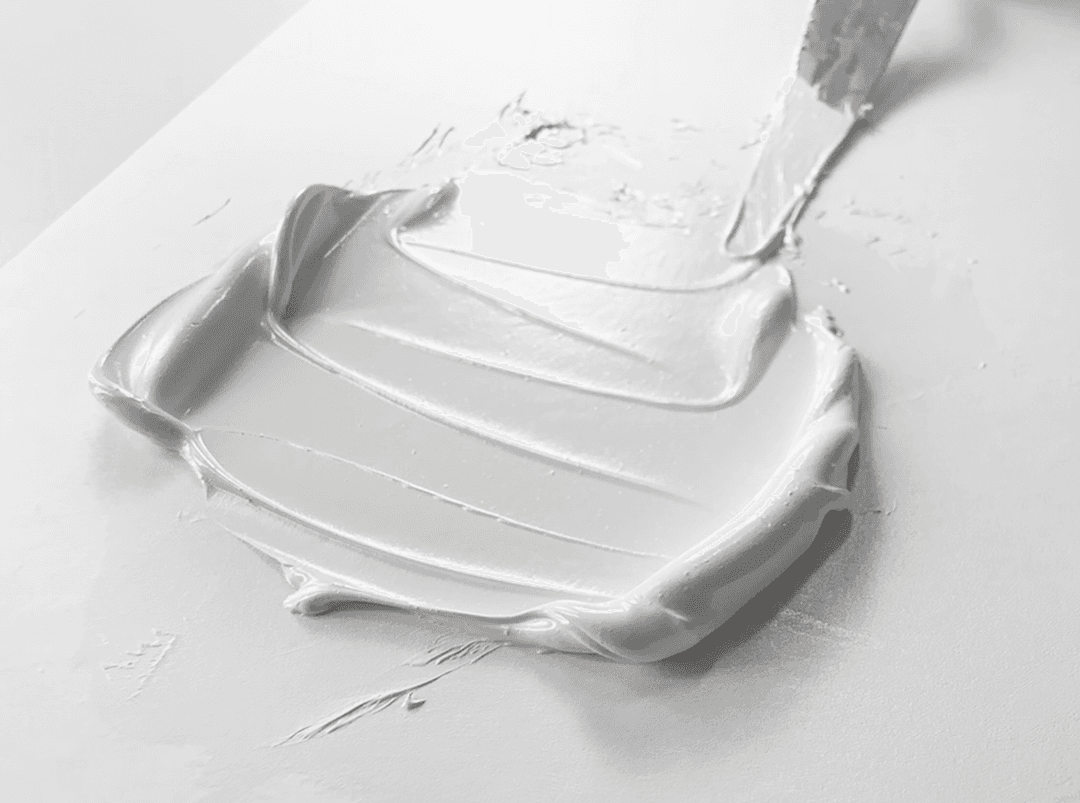
Williamsburg Titanium White in Safflower oil
Williamsburg Safflower Oil Titanium White, PW6
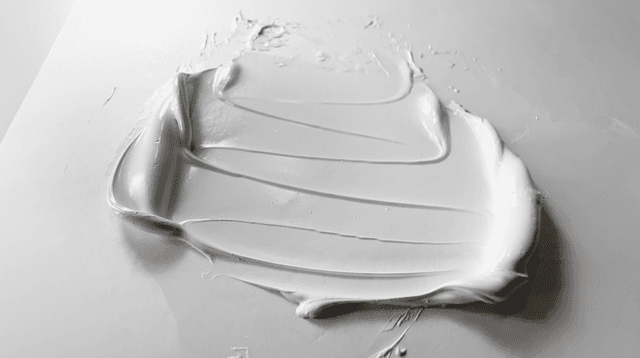
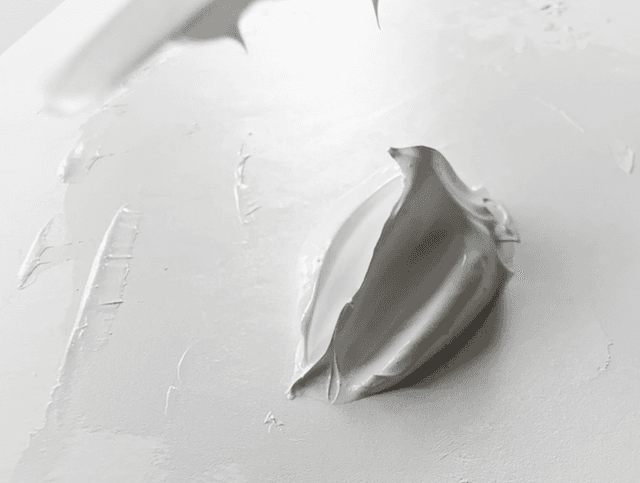
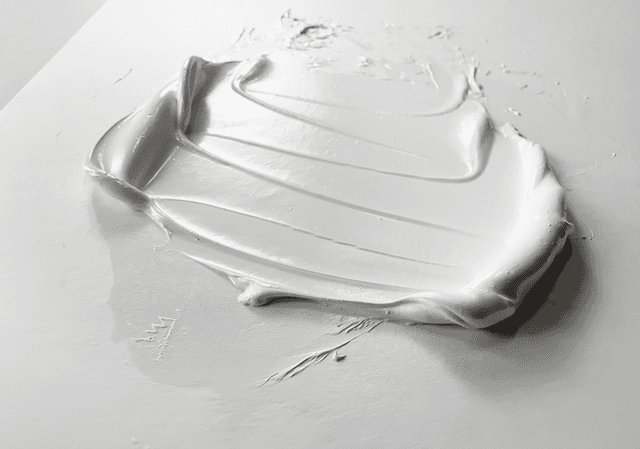
Titanium White PW6 Paints in Safflower Oil
Titanium White in Other Oils
Blockx in Poppyseed Oil- Minimal Yellowing
Few companies make a Titanium White in poppyseed oil, though a few do blend poppyseed oil into the mix.
When we want poppyseed oil we look to Blockx. This color, Titanium White by Blockx, performed very well in our test.
General Cautions with Poppyseed Oil
While poppyseed oil is associated with the least amount of yellowing, many painters choose to avoid it, especially in the underlayers of a painting. Poppyseed oil can experience more cracking, often requires some form of added driers in order to dry in any reasonable amount of time. Interestingly it has been known to experience some drying problems, such as failure to dry completely and/or undergo what appears to be a sort of reliquefaction under certain unknown circumstances.
Larger Tubes (We use this sparingly)
Since our normal paint pages generally link to standard (smaller) tubes, here's a link to the larger 200ml size of Blockx Titanium White, available at Blick and Jackson's
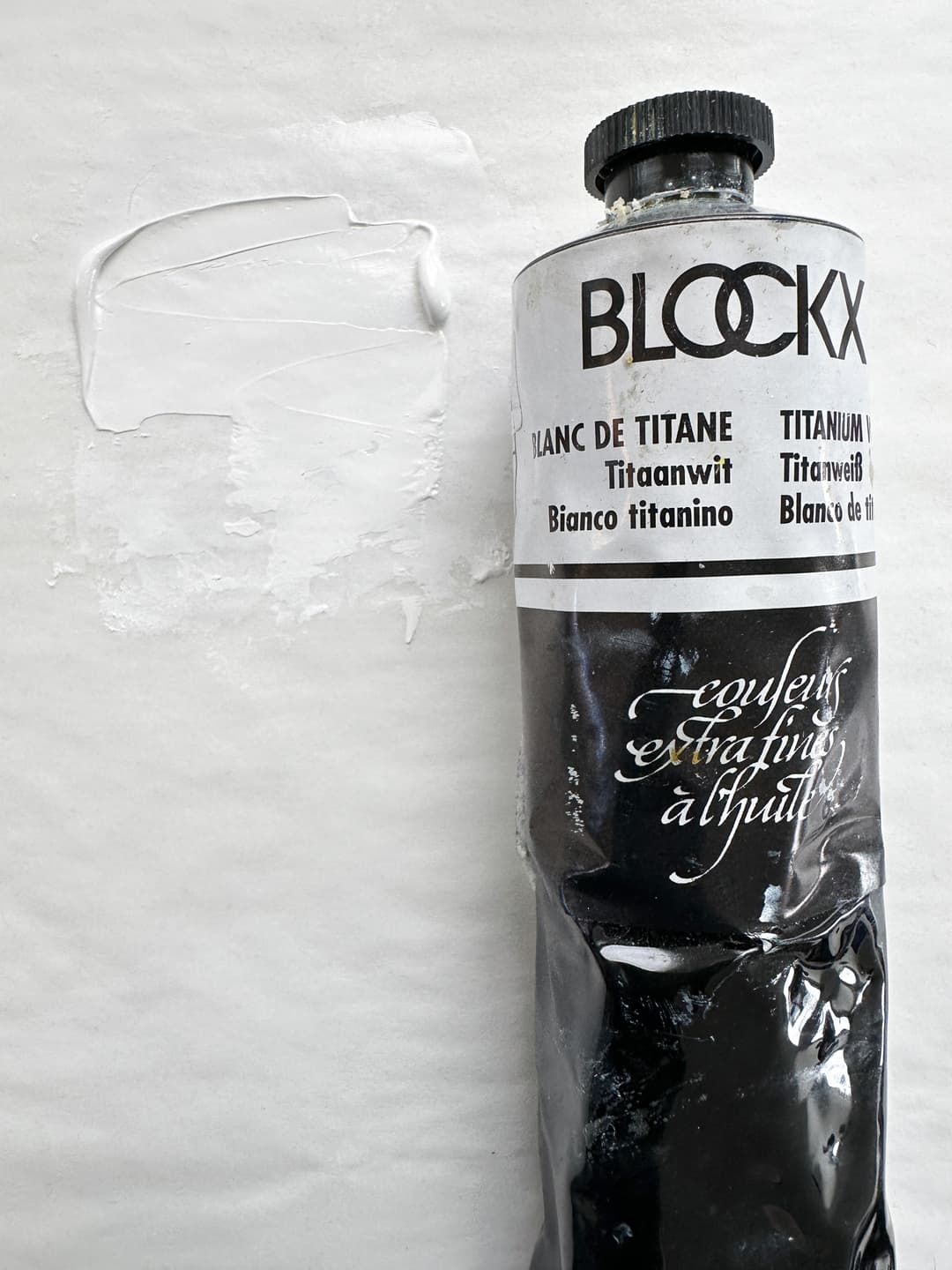
Titanium White by Blockx
Blockx Titanium White in Poppyseed Oil
Alternatives to Linseed- Titanium White PW6 in Walnut Oil
Specialty Sub-Types of Linseed Oil
A Rare Paint made with Water-washed Oil
In terms of linseed oil, there are many types of linseed oil. Some painters have taken to a process of clarifying their linseed oil by removing what is called mucilage. Concrete tests are hard to find when it comes to whether this helps to avoid linseed oil's native yellowing.
In Golden's tests on the yellowing of oils, several types of linseed oil were tried, though there is not a lot of detail given there about the specifics on how each version was prepared. There have been many proposed treatments to reduce yellowing in linseed oil over the years such as water-washing, sun-thickened, bleaching, etc., which go beyond the scope of this article.
For details on many different oil treatments, Tad Spurgeon has amassed many processes in his book Living Craft, however we are not sure the extent to which these truly mitigate the yellowing. Each linseed oil we have tried affects the feel of the oil paint considerably while working, so we tend to choose thicknesses that have working qualities we like.
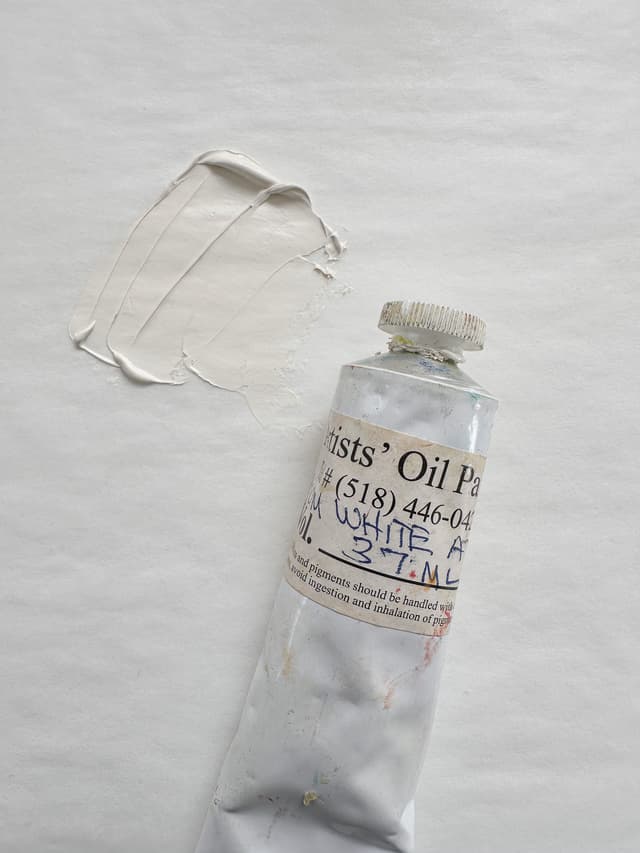
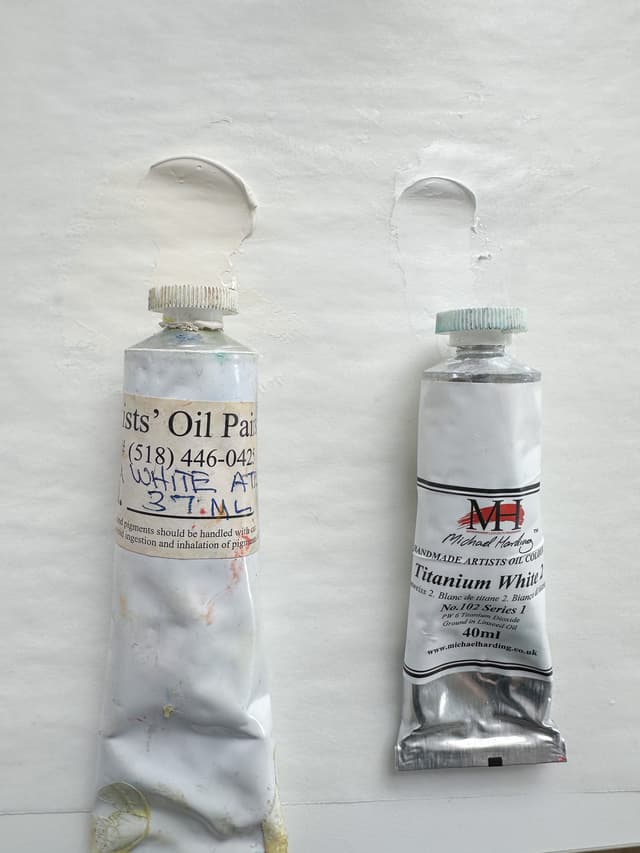
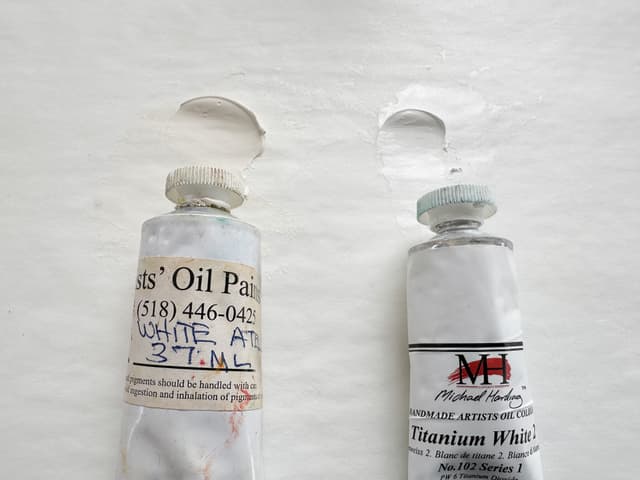
RGH Artist Oils is one of the few companies that offers a special titanium white in a washed oil. They offer several white paint pigments, including Titanium in both linseed and walnut oils. These are part of their Atelier series and are described as "handwashed clarified cold-pressed linseed oil." To describe the process they say, "...Each paint is produced by hand-washing the oils over 7 to 10 days, followed by multiple filtrations through minerals over several weeks. This meticulous process yields oils that are cleaner, clearer, and almost colorless, resulting in paints that are less prone to yellowing and dry faster than conventional oils." We quite enjoy the RGH Atelier Titanium as a warmer Titanium white with excellent handling.
Just judging by eye, it's interesting that the color out of the tube is not much different than the way the paint looks after 3 years of aging. That's a positive what-you-see-is-what-you get quality. While other paints look more crisp out of the tube (we placed it side-by-side with one of the brightest safflower whites), we actually quite love the handling qualities of the RGH Atelier specialty version.
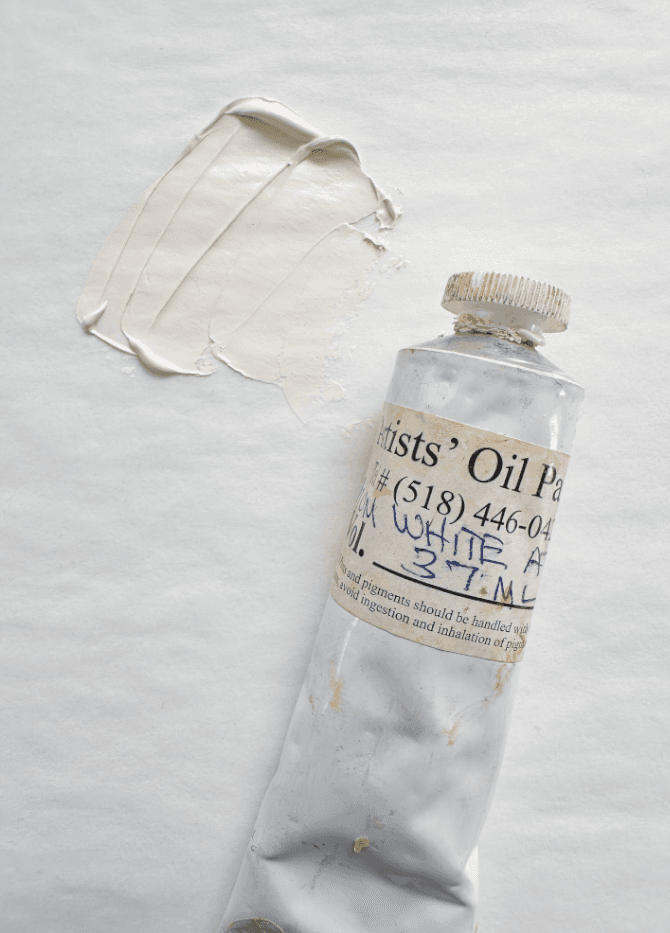
RGH has a special line of white pigments bound in bespoke oils. We really enjoyed their Atelier version of Titanium White, which is bound in a carefully washed linseed oil.
Titanium in Hand-washed Cold-Pressed Linseed Oil - RGH Atelier
A warmer, specialty Titanium White with interesting handling properties
Beware the Zinc inclusions
Check those labels for PW4!
Over the years, many companies added a variety of white pigments, such as Zinc Oxide, PW4, to improve the overall look of the paint as well as cut the Titanium with just a bit of semi-opacity. However, as Zinc White became linked with early embrittlement of paint films (and in some cases delamination!) many artists began to opt for pure Titanium.
Pure Titanium White (PW6) and oil don't actually fare all that well together-- a number of additives, stabilizers, driers, or undisclosed white pigments might be part of a "pure Titanium PW6" formulation in order to help the Titanium White along. However, it is essential that they disclose their pigments. We are always hoping for more transparency in the art materials market because this empowers painters to make their own choices.
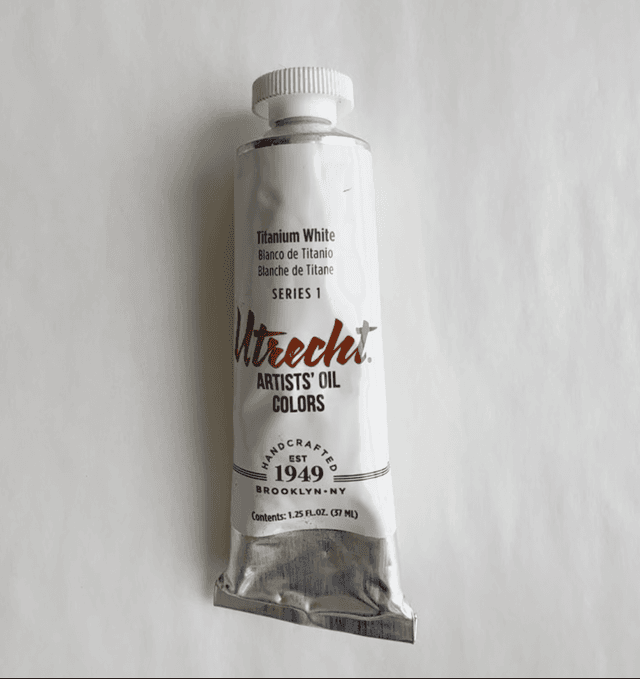
It seems that Utrecht may have taken the zinc out of their Titanium White. However, this tube, which was not purchased very long ago, appears to have had Zinc White PW4 in the blend. If Utrecht is one of your favorites, it may be worth it to verify that the paint you're buying truly does not contain Zinc. A separate color, which is currently available called Utrecht White contains PW6 and PW4 in a blend, so that one does still contain Zinc White.
Large Tubes of Utrecht Titanium White can be found here.
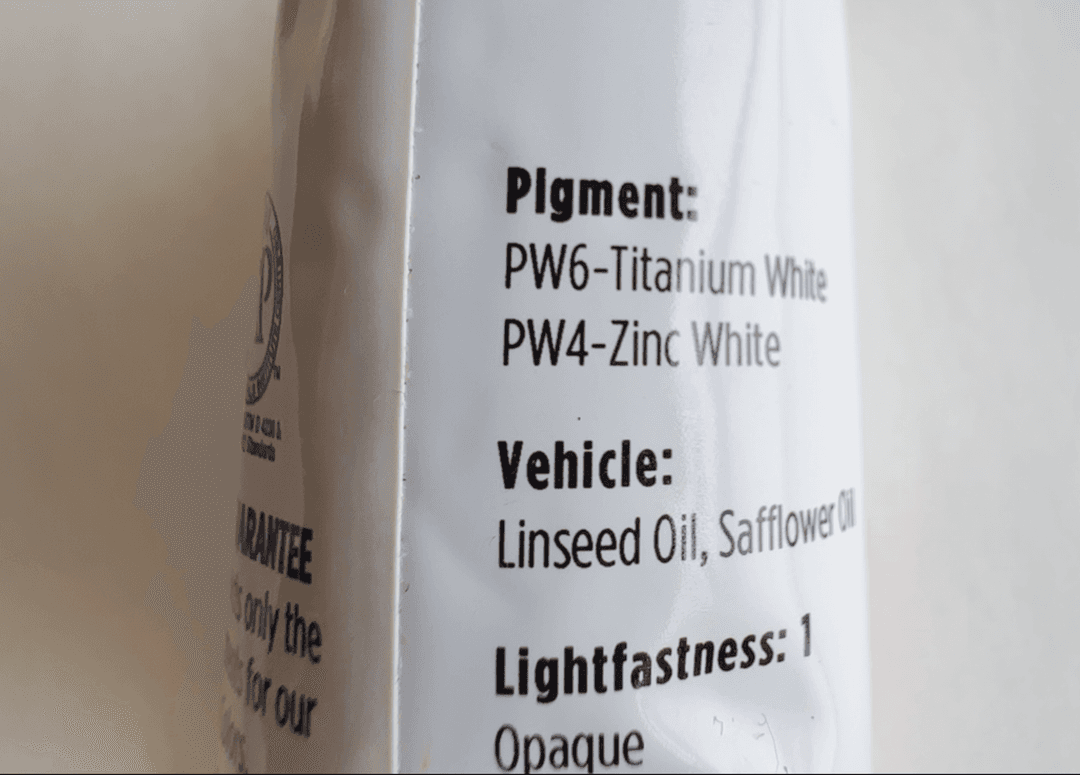
A not-so-old tube of Utrecht labeled Titanium White on the front, which contained Zinc White, PW4
Titanium Zinc Blends
This older Utrecht tube labeled their color Titanium White, but it contained Zinc Oxide, PW4, along with Titanium White, PW6. Some painters purposefully opt for Titanium-Zinc blends.
Lightfastness
Excellent on its Own and Good as a Mixing White
Titanium White, PW6 has excellent lightfastness on its own. As a pure pigment (regardless of binder) it tends to be quite lightfast. Mayer describes it as, "An extremely dense, powerful opaque white of high refractive index and great hiding power. Absolutely inert, permanent." (More on this in the sections below).
Titanium White Lightfastness as a Mixing White As a mixing white, Titanium White has its own relationship to every other pigment. Among white pigments that were recently tested by Golden for their effects on the lightfastness of other pigments when made into tints, pure Titanium White seemed to be a solid choice.
In Golden's recent lightfastness testing some of the small but meaningful differences between paint formulations were examined. It turns out that binding oil, extenders, and whether a blend contains zinc were just a few of the factors that seem to influence lightfastness. Lightfastness ratings are far more complicated than most painters ever imagined, however some meaningful patterns emerged.
In the lightfastness study, Table 3 shows various mixing whites and their interactions with other pigments. Overall Titanium White in linseed performed very well.
Titanium White Photoreactivity Titanium White is somewhat photoreactive and CAMEO notes, "Coatings and stabilizing elements added to the titanium dioxide lattice in various grades of pigment have been used to reduce the photoactivity. The pigments can cause chemical reactions in associated media or colorants; adding zinc oxide to artists' paint mixtures containing sensitive materials such as azo dyes or basic dyestuffs such as madder lake can reduce fading." Of course zinc introduces its own problems.
Choice of Binding oil May Matter for lightfastness Their emerging research shows that in oils, the blend of white pigments used as well as the choice of binding oils may have an effect on the other pigments in a mix. Some pigments appeared to show a sensitivity to the binding oil, namely safflower. Even when blended with pure Titanium, certain pigments performed dramatically differently in tints when mixed with a white bound in safflower oil.
When it comes to a particular paint brand's titanium, bear in mind that small differences in the white paint formulation, such as extenders, driers, and a whole lot of other undisclosed additives may also affect the lightfastness of tints with other pigments.
As a standalone pigment, historically titanium white has been given an ASTM I-excellent rating for lightfastness.
Michael Harding Titanium White No. 1 in Safflower Oil. The choice of binding oil affects not only how the Titanium White changes with age, but may also have effects on other pigments when mixed into tints.
Is a Titanium-Zinc Blend Better for Lightfastness?
Yes and No
Is a Titanium-Zinc Better for Lightfastness? More research needs to be done, but a few pigments appeared to perform slightly better for lightfastness in titanium-zinc blends, but there is a lot of nuance in the results. Zinc oxide, PW4 has been linked to early embrittlement of paint films, and there is a lot of discussion as to whether there is a safe amount of PW4, as well as some best practices to consider if one does choose to use it.
In general, pure Titanium White (Zinc-free) seemed to be an attractive choice. Some pigments showed a bit better lightfastness in the Titanium-Zinc blend, but since the reverse was also true at times, where pure Titanium won out, Titanium White in linseed oil remains an interesting option.
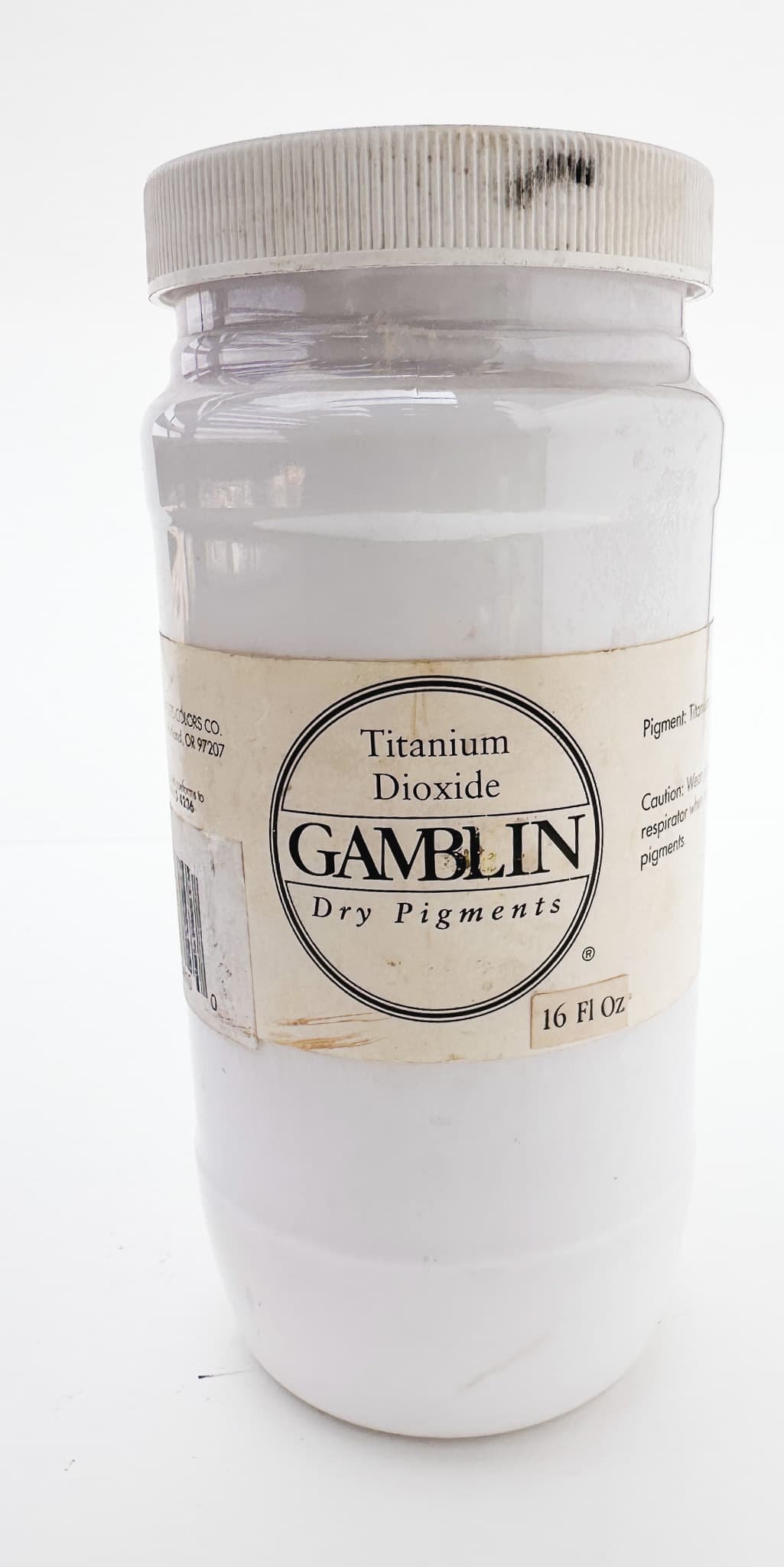
Titanium White Pigment by Gamblin. Gamblin makes three different formulations of Titanium White which all handle differently but use the same pigment.
Titanium White Permanence
In Search of the Best Titanium White Formulation
Titanium white comes in both Anatase and Rutile forms, but the Rutile form is most often found in paints.
Issues of Permanence and Yellowing In relation to film permanence, lead white does form a stronger paint film than Titanium, but Lead White has its own issues in the lightfastness and reactivity arena. Lead White is very toxic and also yellows with age.
When pure titanium and oil are mixed in a paint blend, the oil seems to be almost forced to the top. Mayer theorized in his 1970 edition, "The pigment itself does not change; the yellowing is apparently a surface effect of the oil. The reason for it is possibly that because the pigment is so inert or non-reactive it does not form the same combination with the oil that the more reactive zinc and lead do, and therefore favors a more pronounced or thicker continuous oil layer in the upper part of the film... This yellowing is not extremely bad; it is scarcely apparent when tinting colors are used with the white."
In a separate set of tests on the yellowing of oils, Golden published photos of pure titanium in linseed oil, and the results are fascinating. They also researched the various additives that have been used through the years and demonstrate how different additions to the formula affected the paint over time.
Why Titanium is Often Amended Apart from the oil yellowing issue, the very things we love about Titanium are the very things we wish to modify at times, as one really wishes there were more white pigments from which to choose. Titanium has great covering power, excelsior brightness, and fantastic tinting strength.
However, on the palette, pure titanium white in oil can be too overpowering at times (hence the need to reign it in with extenders), too opaque for some applications-think translucency and atmospheric effects (enter the pre-2018 impulse to add zinc oxide with its filmy beauty), and too slow drying (therefore the insertion of driers). For many reasons, both during the painting session as well as when evaluating the samples of Titanium Whites over the years, some modification to Titanium White seemed to be useful. However every modification may impact the overall permanence and yellowing of the paint.
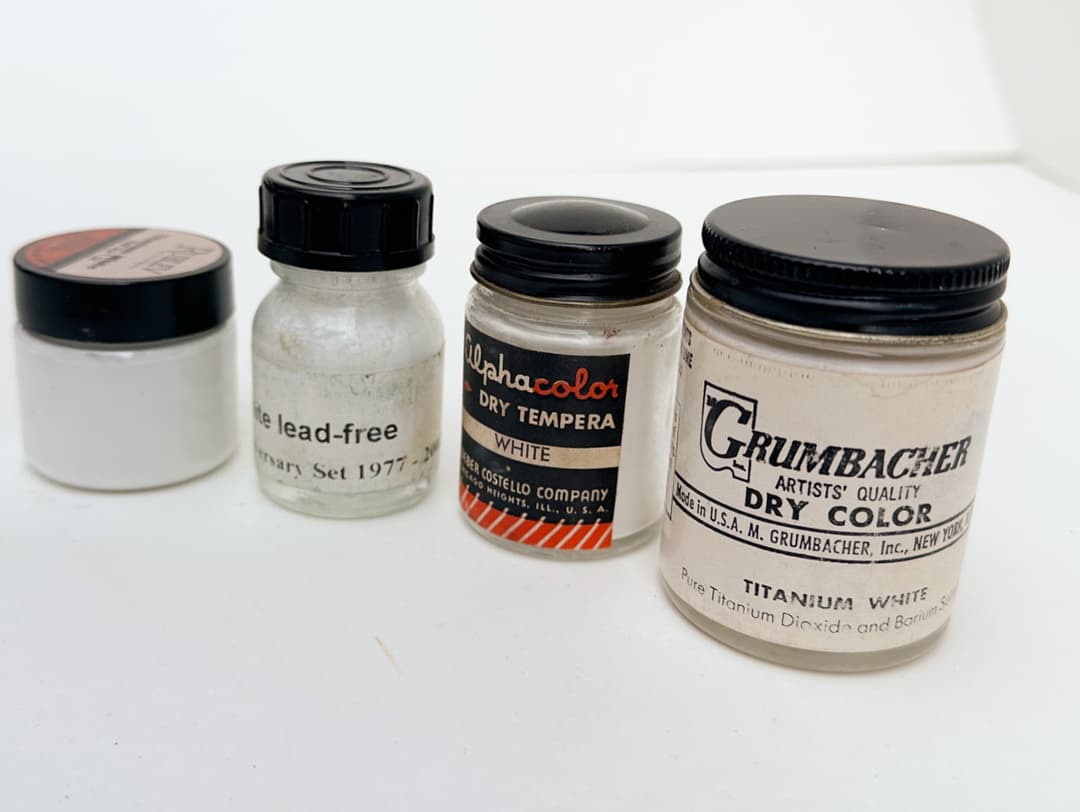
Jars of Titanium White and other white pigments. The exact formulation of a Titanium White may affect lightfastness, yellowing, and permanence. Golden has published test results and photos from their research on Titanium White formulations.
A strange case for extenders, stabilizers and driers
An unexpected plot twist
We never dreamed we find ourselves hearing a good case for extenders, additives -- and even... driers?
In this research from Golden, thick applications of just plain PW6 in alkali-refined linseed oil actually cracked and yellowed badly-- not in relationship to lightfastness exactly, but in terms of retaining the overall permanence and color constancy we expect from a paint.
The article shows pure PW6 in oil compared with a number of other PW6 formulations with extenders/driers/beeswax, and the one with just oil did not hold up well. Photos may be found near the end of this linked article, in the section titled Impact of Formulation on Yellowing. There they compared pure PW6 and oil with other formulations including barite, precipitated calcium carbonate, beeswax, driers, etc., and some of the formulations performed much better than pure pigment and oil. A full discussion goes beyond the scope of this article, but their findings provide a fascinating look into the complexities of paint formulation.
In the comments, the author, Sarah Sands wrote, "The main point we wanted to show is that these inert additives have an impact on the results which can often be positive and that frequently there is a synergy among different components that is greater than any one of them alone."
Too much of any additive or "stabilizer" can wreck serious havoc on paint films. Too much chalk (calcium carbonate-- which is often undisclosed) can turn a paint film orangey over time. Driers can cause cracking and embrittlement as well as other problems. The over-use of other stabilizers and additives such as Aluminum Stearate can cause bloom and other problems, and some common additives yellow badly. Even Barite, which was thought to be pretty good, may have a relationship to lightfastness in a given blend.
Of course many companies-- even those who claim to use only "pure pigment in oil"-- add something to their paints, whether its modified oils, "stabilizers", "solids," or clear extender pigments like chalk or barite. A bit of beeswax may be helpful, but it's well known that too much can have conservation impacts as well. Williamsburg is well aware of that, and their research showed some benefit to a bit of beeswax. Careful percentages should be maintained, and they mention theirs are slim.
This study was not the first time we'd heard of the benefits of a bit of beeswax in Titanium White. In his 1970 work Mayer wrote, "Wax is added to... such heavy pigments as chromium oxide, vermilion, and titanium white in order to minimize settling or separation of pigment and oil." However too much wax can have also conservation impacts down the road.
Unfortunately, Titanium is often modified with undisclosed ingredients. We wish companies would disclose the ingredients in their paints. The ingredients in paints may have toxicity issues but they also may affect the overall lightfastness and permanence of the paint system as well.
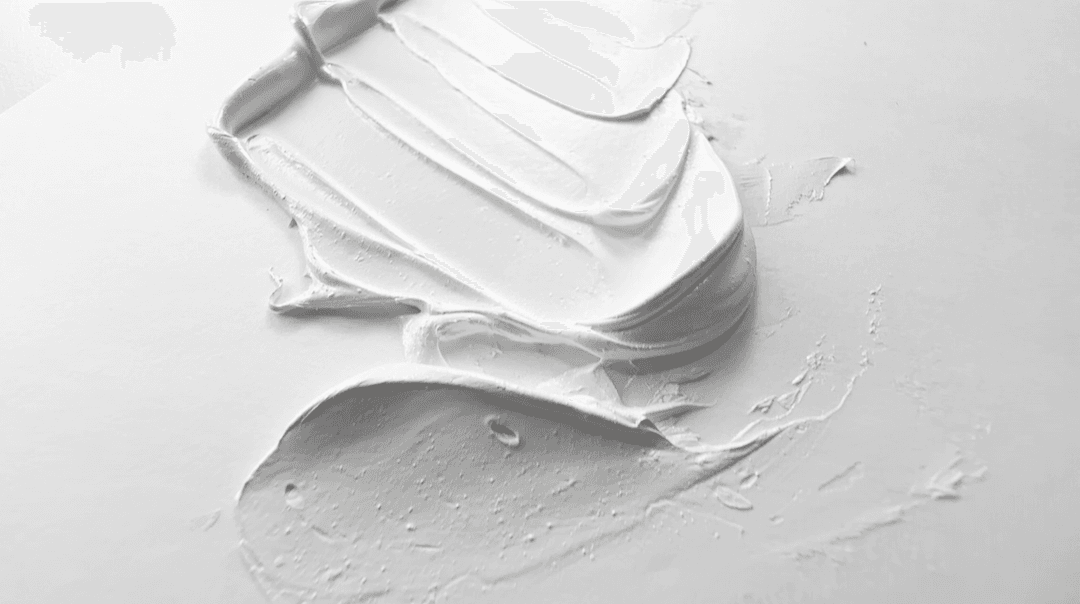
In Search of the Least-Yellowing Titanium White Formulation. Williamsburg's Titanium White formula has been well researched. We appreciate that they published their results
Toxicity
Low, do not breathe dust- carcinogen
Thought to be in the category of lesser concern, but does have some hazards. Do not breathe dust (i.e. dry pigment but also sanding) as when breathed it is likely a carcinogen. In other words, specifically this is a carcinogen if inhaled.
We would also not recommend eating it as it likely causes problems. We're not toxicologists though so please consult the proper experts.
We were shocked to find out that, "Some grades contain significant amounts of zinc oxide and lead." Monona’s Rossol’s work, available on request, has more information.
As always, consult the proper health and safety experts. Treat all pigments and paints with studio safety protocols.
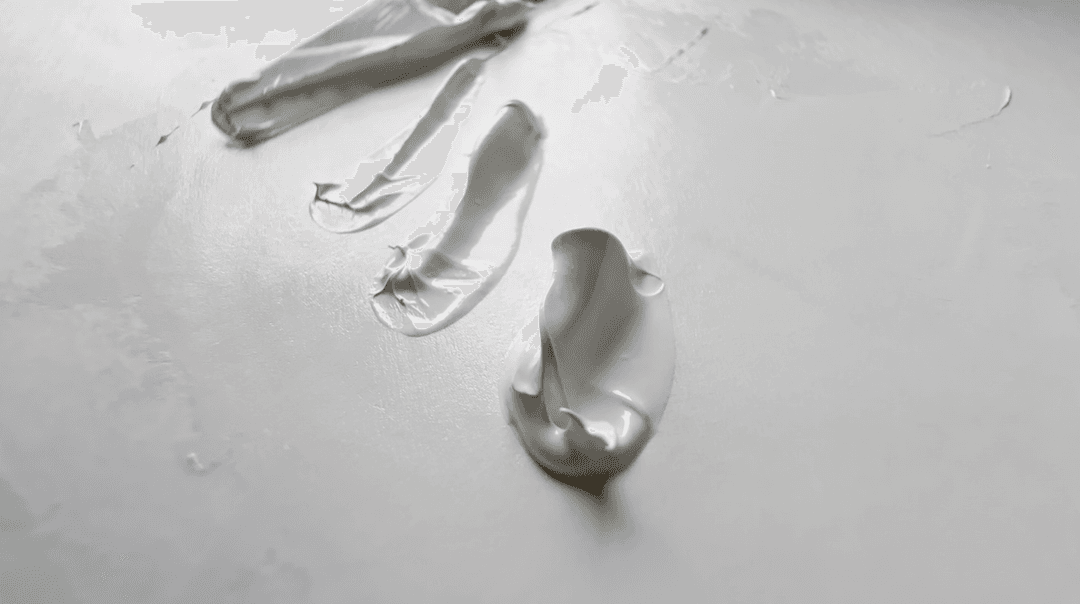
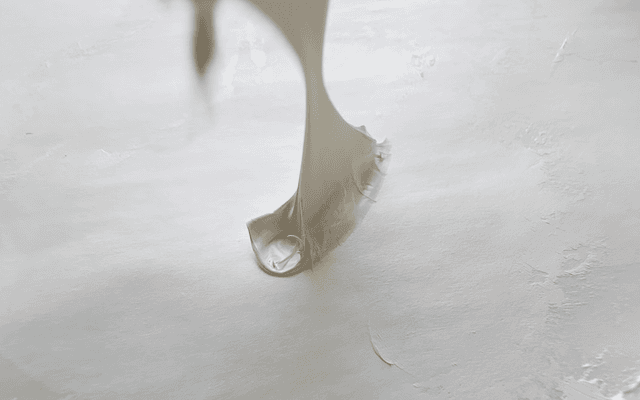
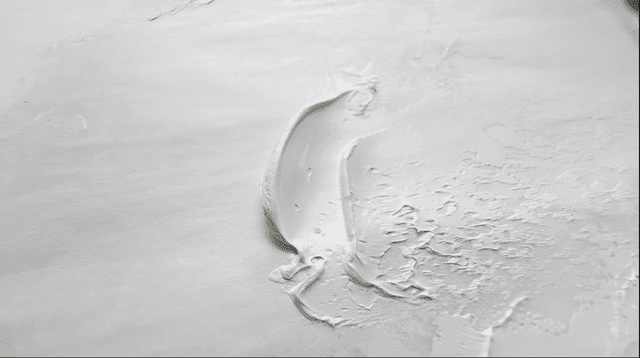
Vasari Titanium White in Linseed Oil. Titanium white oil paint which has been pulled up by a palette knife. The falling peaks show some of the paint behavior of Vasari's version.
Oil Requirements by Volume
Low to Medium
Pigments, when made into oils, have a different oil to pigment requirement ratios. This may be helpful to know if painting in layers. In oils, different Titanium White pigment samples may have slightly different oil absorption amounts, but in general, PW6's oil content by volume when made into a paint tends to actually be low relative to other pigments. Somehow this felt surprising.
Though it may sound confusing at first, oil content by volume is totally different than oil requirements by weight. Paintmakers may benefit from weight figures while painters may find volume ratios more helpful as it relates to their painting practice.
Even with the caveat that the volume is a range, there may be some helpful patterns to know when planning a painting, especially if a paint is inherently very oily. For Titanium White, oddly enough, oil content by volume can be pretty low. A chart from Williamsburg may be found here. In his 1970 edition, Mayer assigns it a medium with a score of 87- on the upper edge of his medium category.
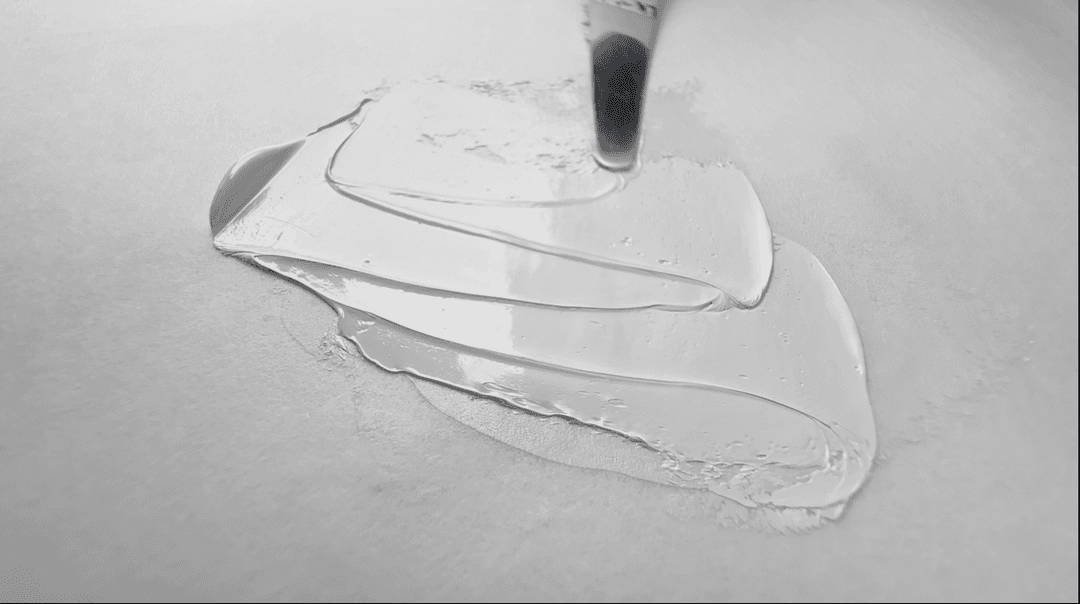
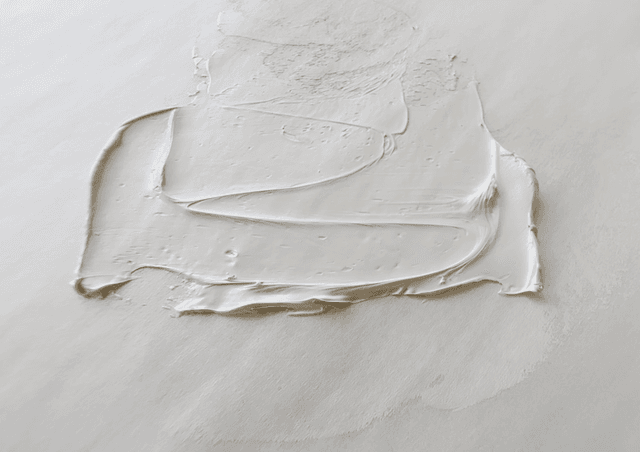
Old Holland Titanium White. The flat way the paint lies as well as its gloss when wet show some of the characteristics of the Old Holland variety.
Resources
PW6 pigment data from David G. Myers, The Color of Art Pigment Database, Artiscreation.com
Ambrose, Trevor (2023, September 24). ASTM Lightfastness Testing for Oil Paints https://justpaint.org/astm-lightfastness-testing-for-oil-paints/. Just Paint, Golden Artist Colors.
CAMEO Materials Database: Conservation & Art Materials Encyclopedia Online, Museum of Fine Arts Boston. (Accessed November 2025). Titanium White. Museum of Fine Arts Boston
Lucille Smithson (Accessed November 2025). In conversation with Michael Harding https://www.lucillesmithson.com/single-post/2016/05/06/in-conversation-with-michael-harding.
Mayer, Ralph. The Artist's Handbook of Materials and Techniques. New York, Viking Press, 1970. Internet Archive, Web. Accessed August, 2025. https://archive.org/details/artistshandbooko00maye
Mayer, Ralph. The Artist's Handbook of Materials and Techniques, 5th ed. New York, NY, Penguin Group, 1991. https://amzn.to/44OzBN9
Rossol, Monona. The Artist's Complete Health and Safety Guide. New York, NY : Allworth Press, 2001. The book is rather dated, updated information is available from her website
Sands, Sarah (March 1, 2019). On the Yellowing of Oils https://justpaint.org/on-the-yellowing-of-oils. Just Paint, Golden Artist Colors.
Article written by Melissa Carmon
About the author: When a sudden urban firestorm threatened their studio, Melissa and her husband Jonathan rescued about 800 pages of her handwritten notes gleaned from her years of painting. They co-founded the Paint List to empower fellow painters around the world. More can be found here. Read More.
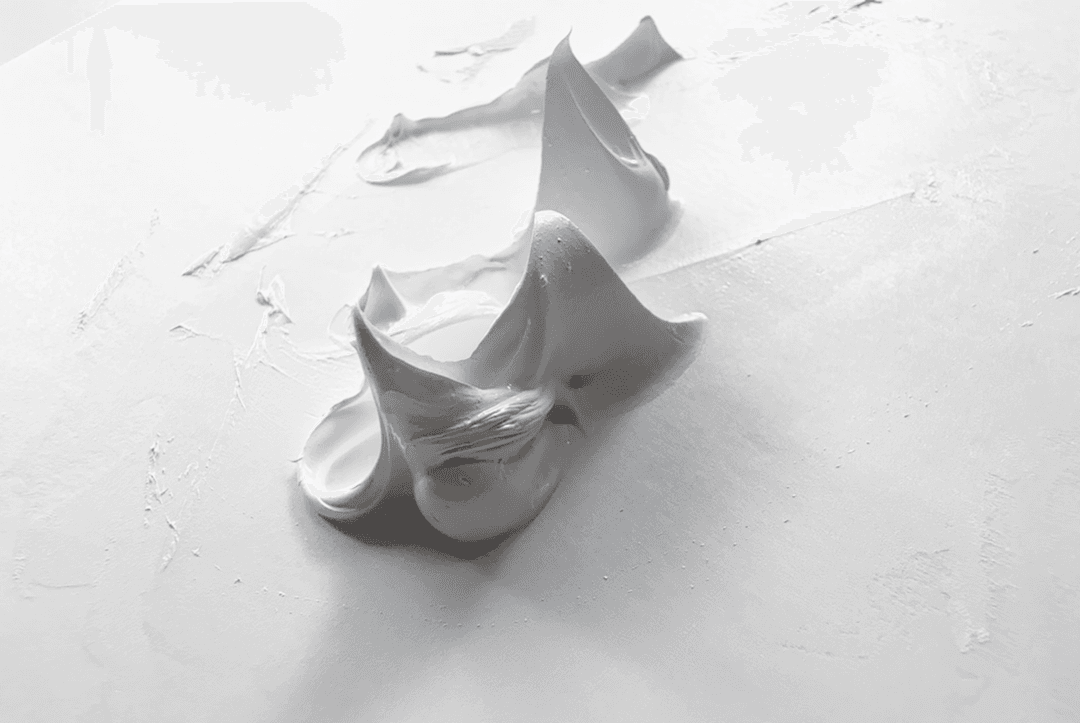
Linseed Oil Titanium White by Williamsburg
Subscribe for More Articles From the Great Book of Color
If you'd like to receive the latest illuminations from the Great Book of Color and Paint List news in your inbox, subscribe to the newsletter here.
