

Naphthol Red AS-D
PR112
Alternate Names
Naphthol Crimson
Naphthol AS-D
Pigment Description
This pigment crops up everywhere, and it is gorgeous in tints, but not nearly as lightfast as some of the other reds when lightened. Still this makes a tempting ingredient for certain pinks, though we make ourselves refrain from it due to the lightfastness. Also called Naphthol Red AS-D (for clarity it is just one of several Napthols out there- and we’ve seen some confusion in how they are labeled so it may not be the only AS-D among them).
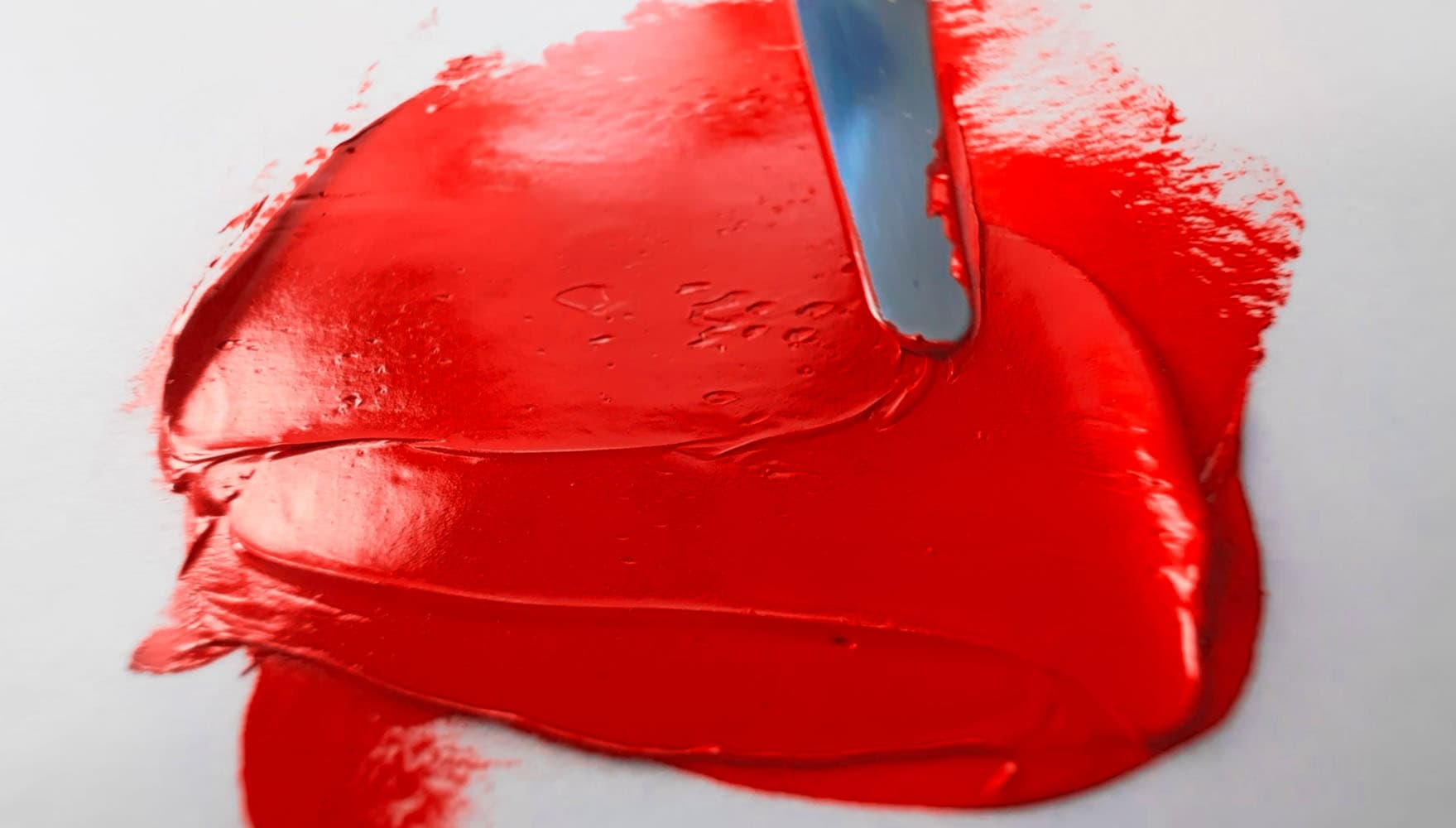
Gamblin Napthol Red, made with PR112
We were shocked to find out in Monona Rossol's writing on pigments that it has a similarity to dyes that cause cancer, may metabolize to a carcinogen, and cause methemoglobenemia as well as other problems-- refer to her research for more. Napthol Red PR112 is often found in cadmium imitation replacements, so PR112's own issues with toxicity are interesting to note, though we are not in a place to compare the two as we are not experts in health and safety. In terms of cadmium comparisons, Cadmium Red would tend to have much better lightfastness, provided it is kept away from moisture.
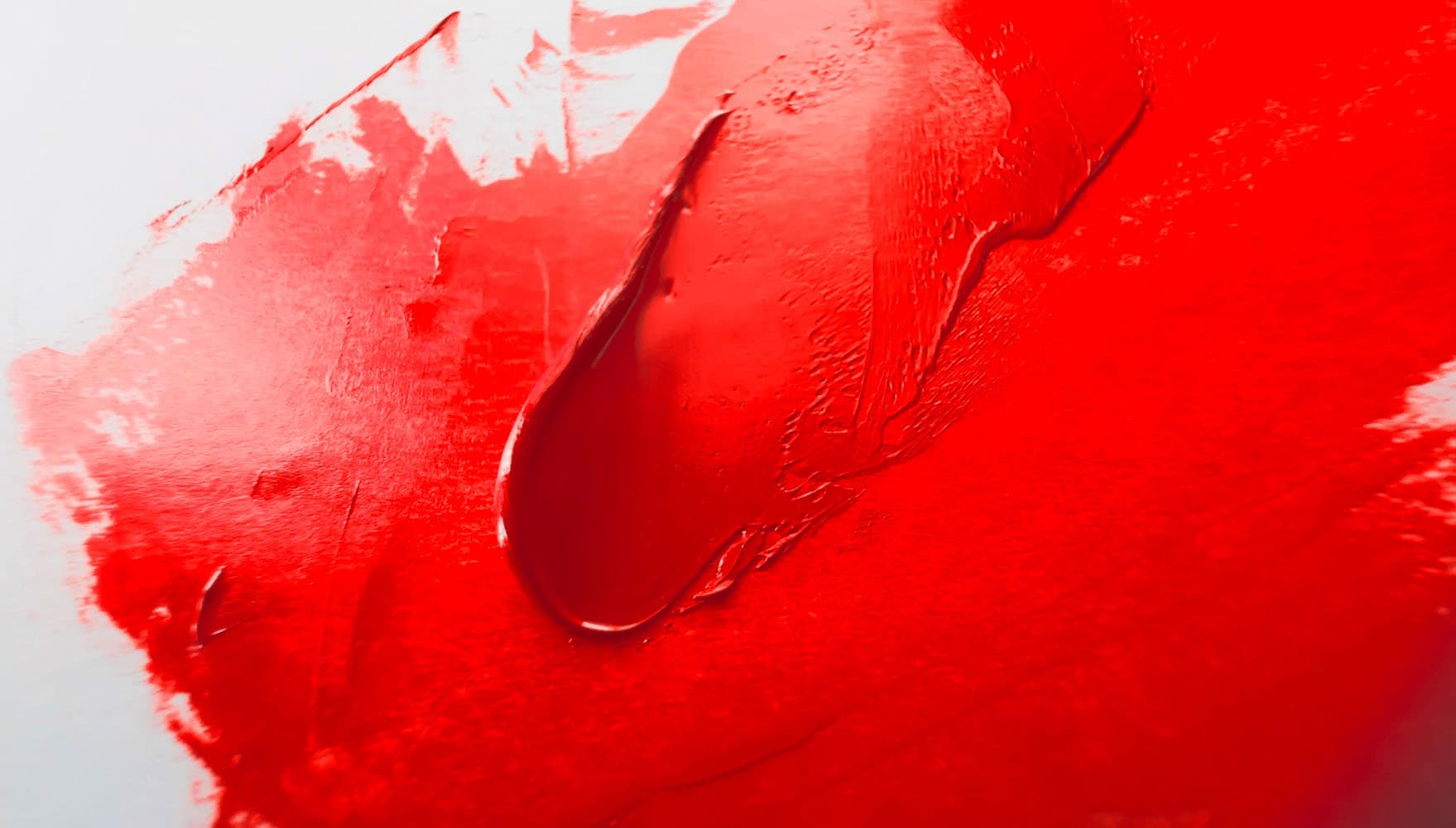
A daub of Gamblin Napthol Red, PR112
As mentioned above, Napthol Red PR112 fades more than we would like to see in an artist color. Also, in oil this color showed surprising reactivity with lead white and will shift color in minutes. Check out Golden's Lightfastness Testing in Oils for more.
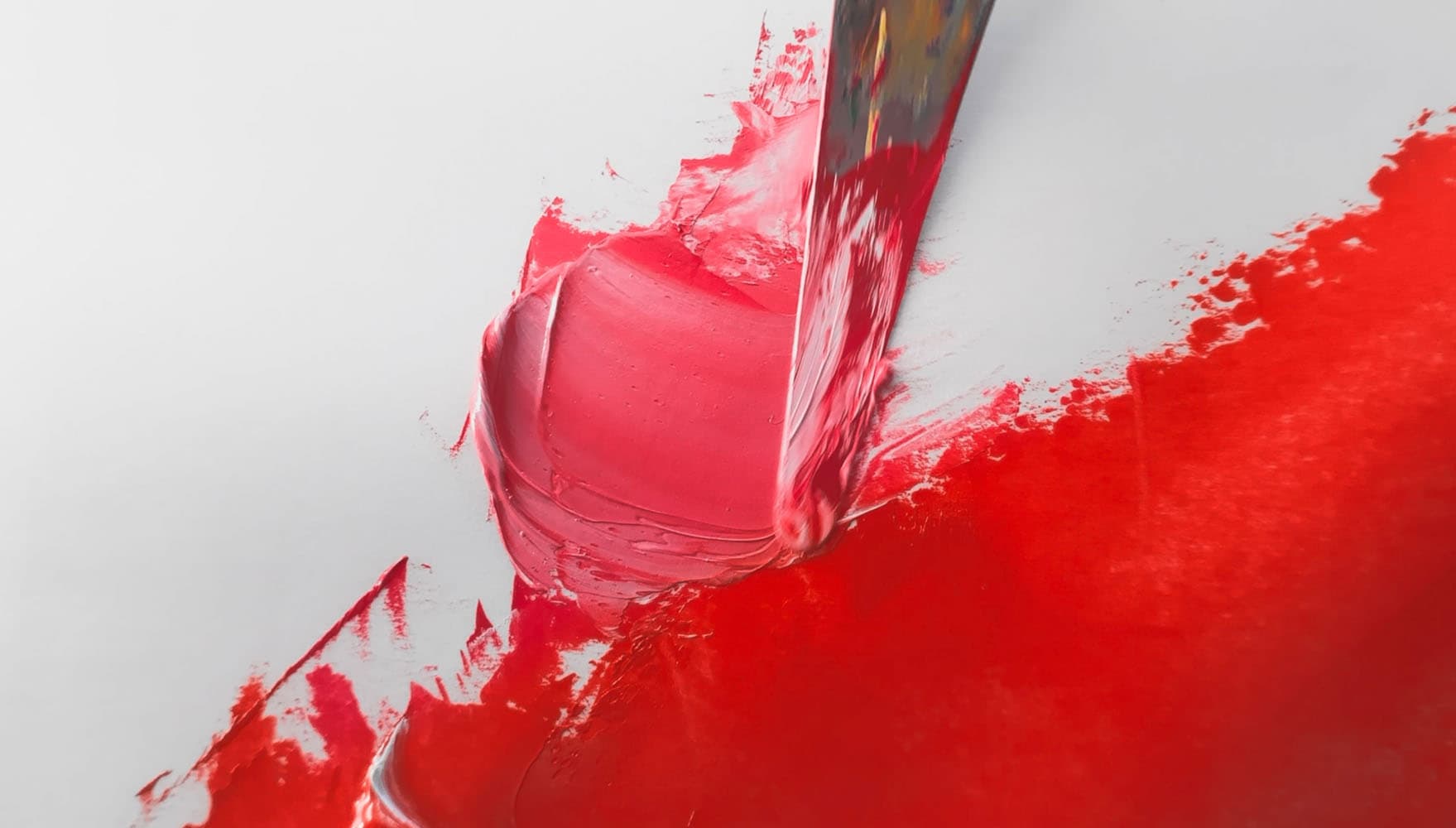
We used to absolutely adore this color in painting and only wish it were more lightfast. It makes fabulous interesting red tones in skin for certain color ranges in portraiture- a lyrical red-pink with an orange hint. It was one of our most favorite colors that we used to use long ago before learning that many brands tend to be a bit optimistic or vague about their lightfastness ratings. PR112 is commonly found in artist and professional ranges. Sometimes even very respected brands will have it in their convenience blends as it creates such lovely mixes.
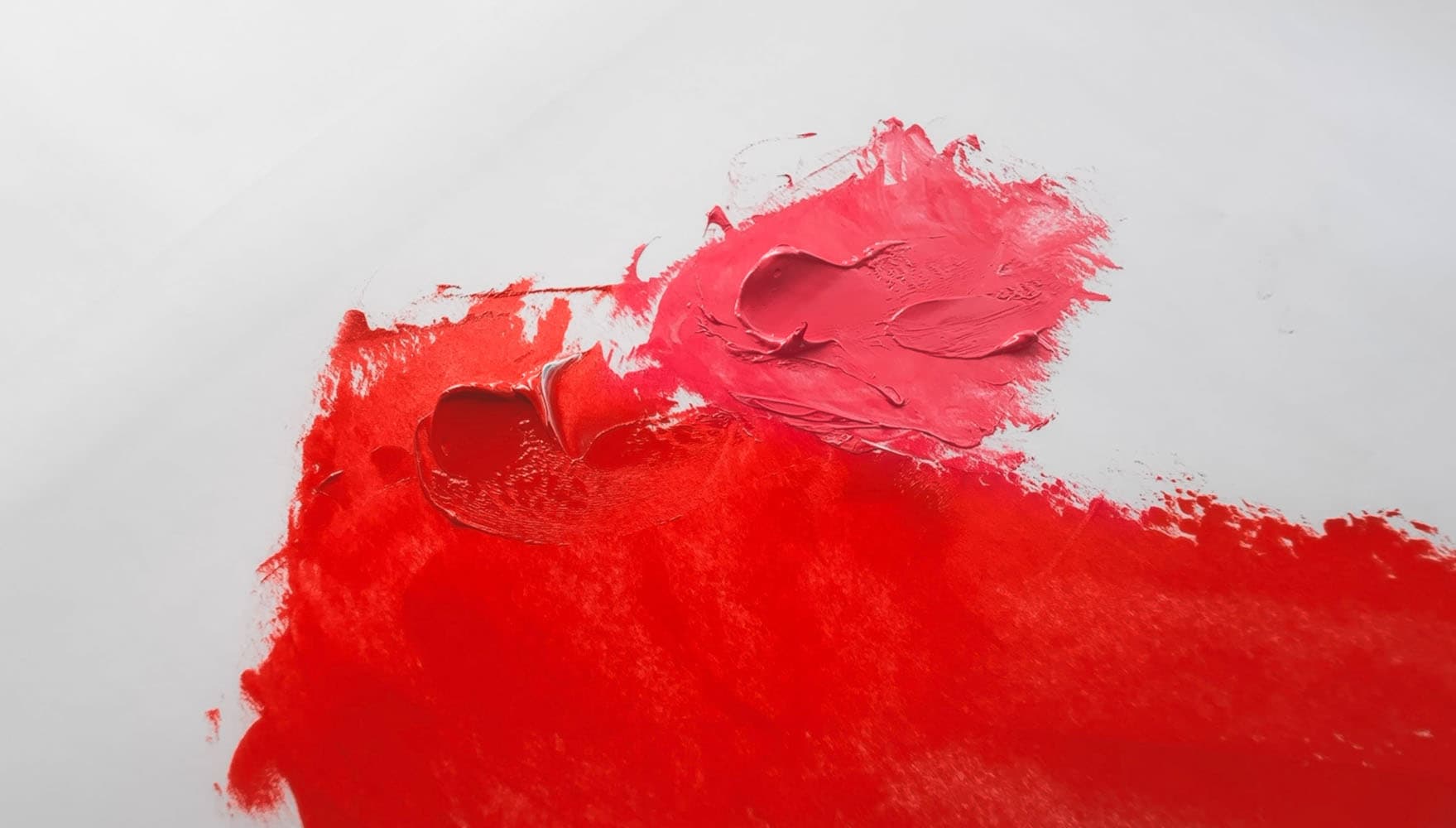
A lively pink in tints. PR112 Naphthol Red by Gamblin along with a tint using Titanium White
Resources
PR112 pigment data from David G. Myers, The Color of Art Pigment Database, Artiscreation.com
Information about PR112 from Bruce MacEvoy, Handprint Guide to Watercolors, General information about this class of pigments from Handprint,
Rossol, Monona. The Artist's Complete Health and Safety Guide. New York, NY : Allworth Press, 2001. The book is rather dated, updated information is available from her website.
Stats
Lightfastness
Reactive, Varies with Mixing White
This color was shockingly reactive in a couple of contexts. It performed both better than we expected as well as worse that we expected in Golden’s recent tests with various mixing whites in oil paint. In Flake White this pigment is surprisingly reactive— it warranted a special section all to itself as one can watch its color shift in real time. Though more research needs to be done, we thought it was notable that PR112 did not perform well in Flake White and Zinc White. However, it performed better than the expected ASTM II in Titanium white in linseed oil. In both Titanium White and Titanium-Zinc white it performed at ASTM I. For more details check out Golden's report. Its lightfastness may also struggle in watercolors. Some tests from the NPIRI from the 80s showed slight masstone with appreciable change in tints during outdoor lightfastness tests.
Transparency
Semi-Opaque, Opaque
In oils, paints formulated with PR112 range from opaque to transparent with the majority being in-between (semi-transparent or semi-opaque). There are a few paints that are listed as opaque. In watercolor it tends to be transparent.
Toxicity
Previously thought of in the Lower Concern category, however new research suggests that it may be similar to a dye which causes cancer.
Monona Rossol’s writing about pigments and artist safety available on request here notes that this pigment has a similarity to dyes that cause cancer. Additionally it may metabolize to a carcinogen, and cause something called methemoglobenemia as well as other problems-- see her research for more. Treat all pigments and paints with studio safety protocols.
Tinting
Strong
Dry Time
Very Slow
In oils, the drying tends to be slow with one brand in the 10-21+ range. However a few are listed as 2-4 days, so driers may be used.
Particle Size
Fine
Chemical Name
monoazo, 3-hydroxy-2-naphthanilide, naphthol AS-D, naphthol carbamide
DISCLAIMER: Please note that we are not experts in health and safety and we are not toxicologists, please consult the proper experts. We are not liable for any issues that may arise from the use of our website or its contents. The information contained in this site is provided without warranty or guarantee of any kind. We do not necessarily endorse any other website that are linked from our site. For any important pigment specs, please reference the manufacturer details. If you discover errors or omissions, please reach out through our contact form. Thank you.
