

Top Pigment
Natural Red Iron Oxide
PR102
Alternate Names
Light Red
Red Hematite
Pigment Description
One of the powerhouses of antiquity, this pigment is synonymous with the development of art itself. Natural red earth can vary in color quite a bit but it is often a medium-chroma red made from the earth. Within the wide-reaching domain of natural red earths, there are two main varieties: natural and synthetic and they have different pigment codes. PR101 refers to synthetic red earths while PR102 is the pigment code for natural ones. Unfortunately, genuine earths are getting harder to find in oils, and some companies have discontinued colors due to mergers in the wider pigment industry.
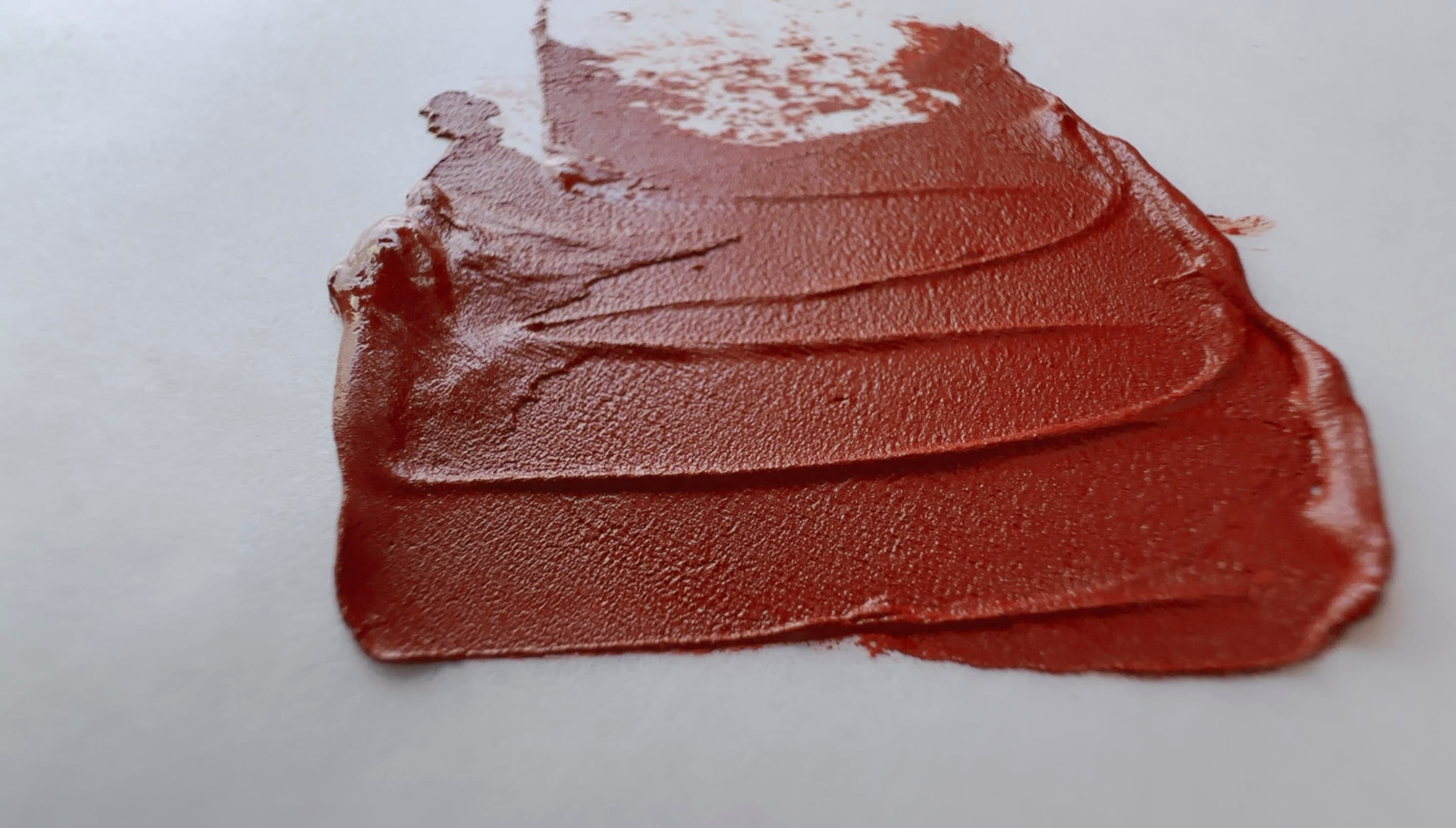
Williamsburg Rosso Veneto Oil paint, PR102
Among the natural red earths there is a huge variety of colors and textures. They may have a bit more nuance over the synthetic ones, and many that we've tried have a large particle size (read here, grit). The synthetic ones, sometimes labeled Mars Red, can have an extremely fine particle size but this also depends on the manufacture.
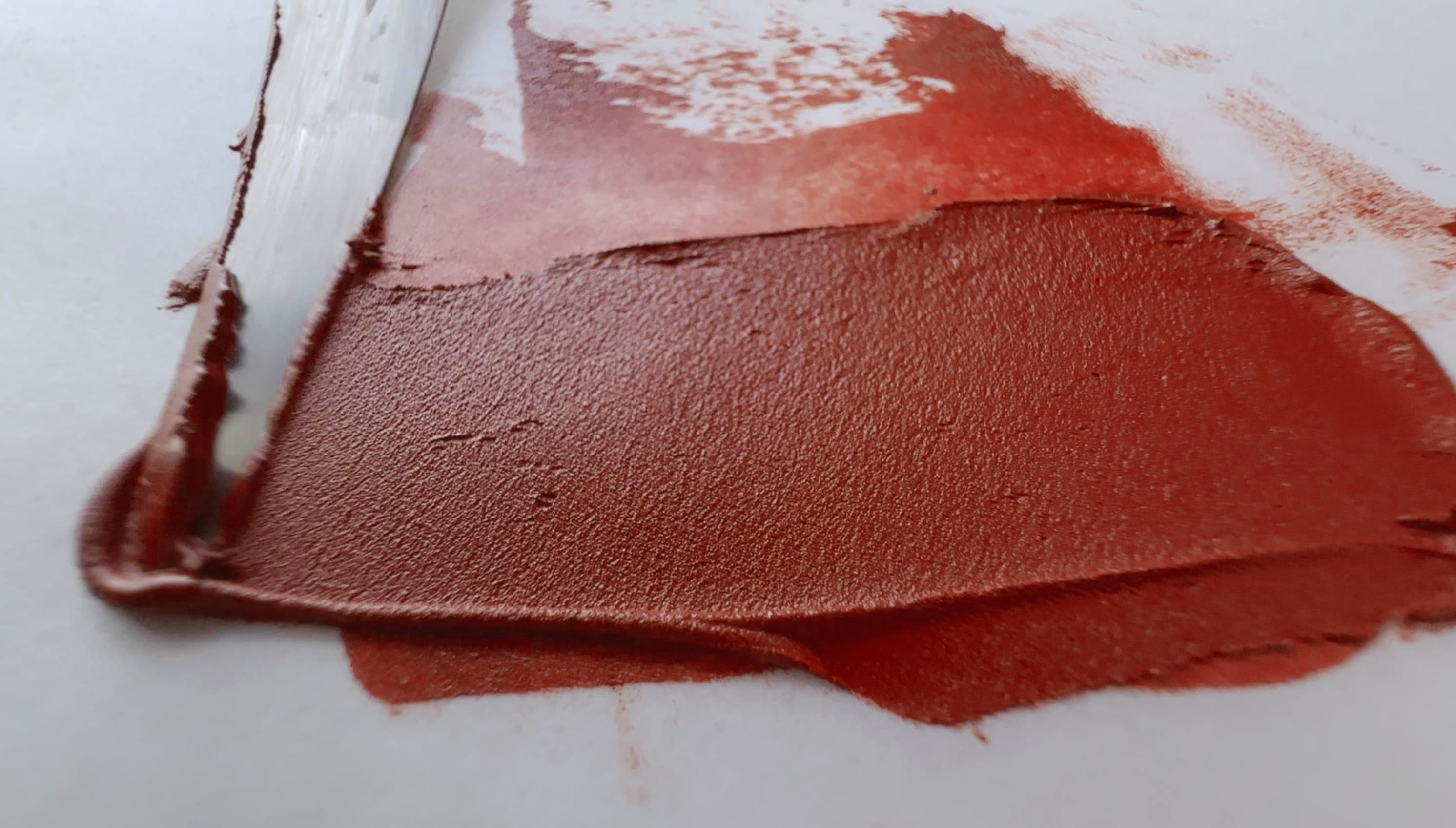
Rosso Veneto Oil paint by Williamsburg, made with PR102
The technical name for red earths is Natural Red Iron Oxide or Red Ochre. These can come in almost any color of earthtone (brown, red, orange, yellowish or even greenish). These are pigments of outstanding permanence and lightfastness.
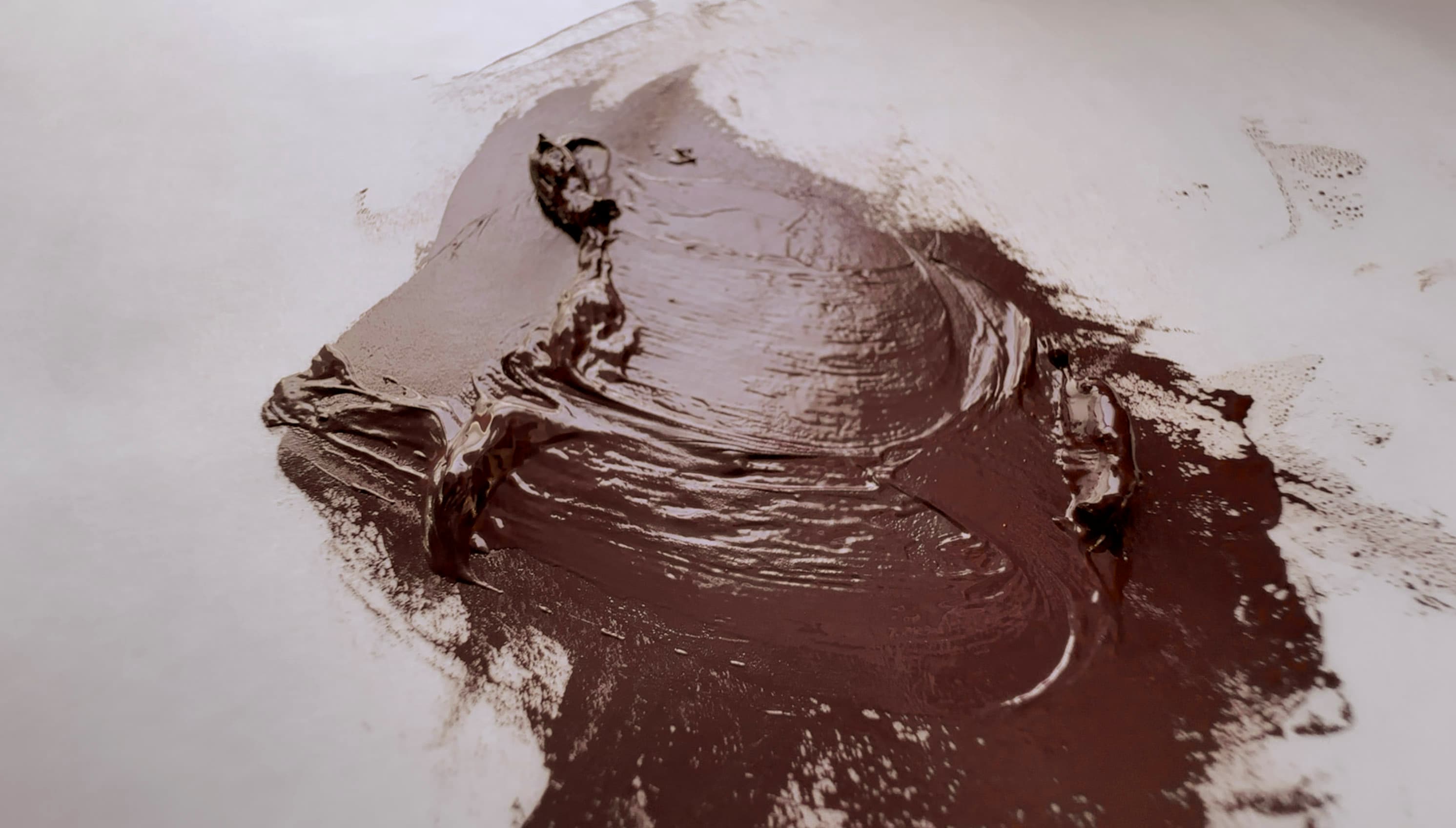
Rublev Violet Hematite oil paint, made with PR102
Natural Red Ochres are associated with paints that tend to be fairly opaque, however that is not a given. Sometimes natural red ochres have a character that is just not matched by a particular synthetic pigment due to various other naturally occurring components of the pigment. In other words, sometimes natural colors are a bit more softened than their synthetic counterparts. For many reasons the natural versions of these pigments retain their charm.
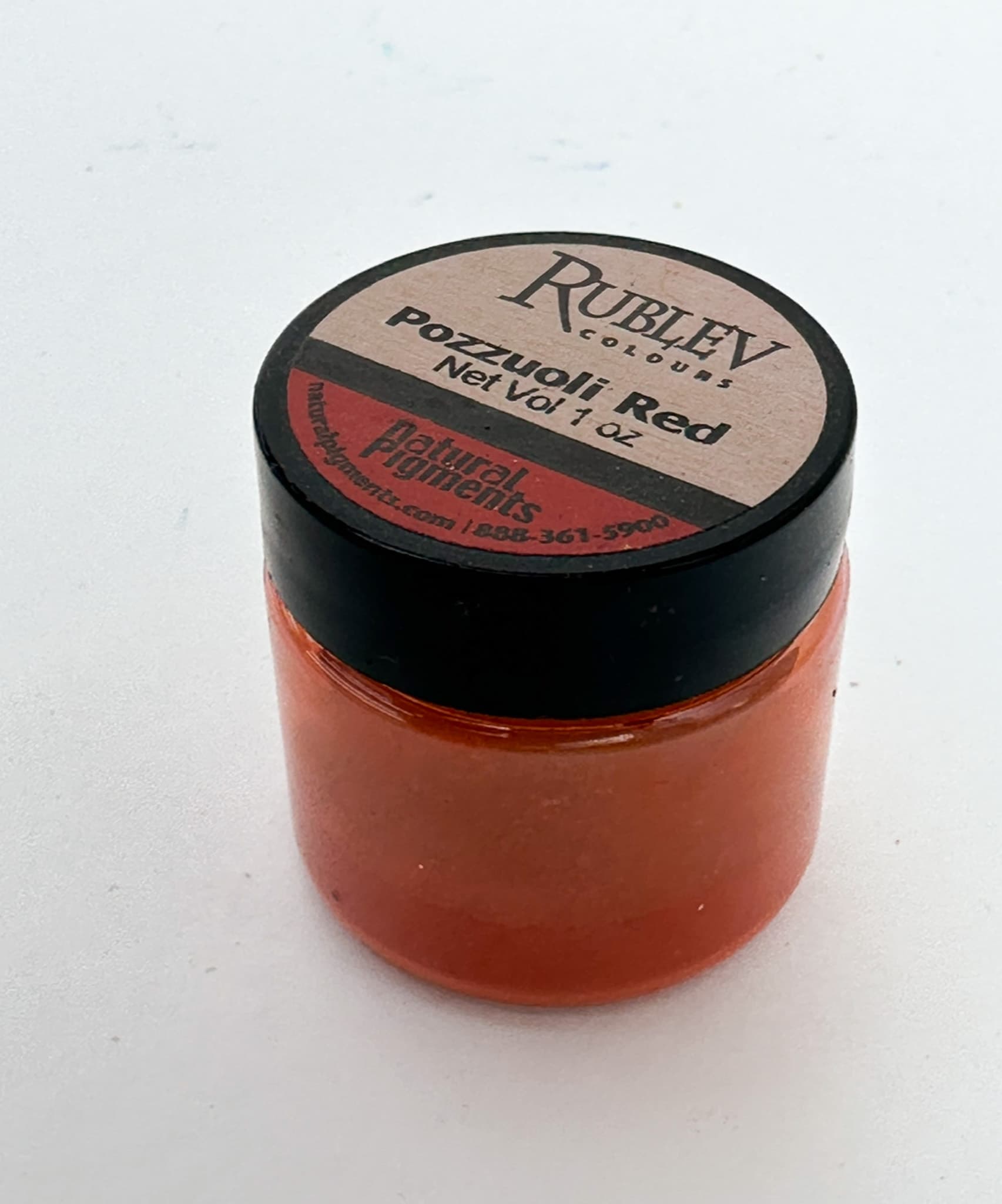
Natural red earth, Pozzuoli Red, PR102 from Natural Pigments
PR102 can come in quite a few colors. It is common to find anything from brown to red to orange with varying undertones.
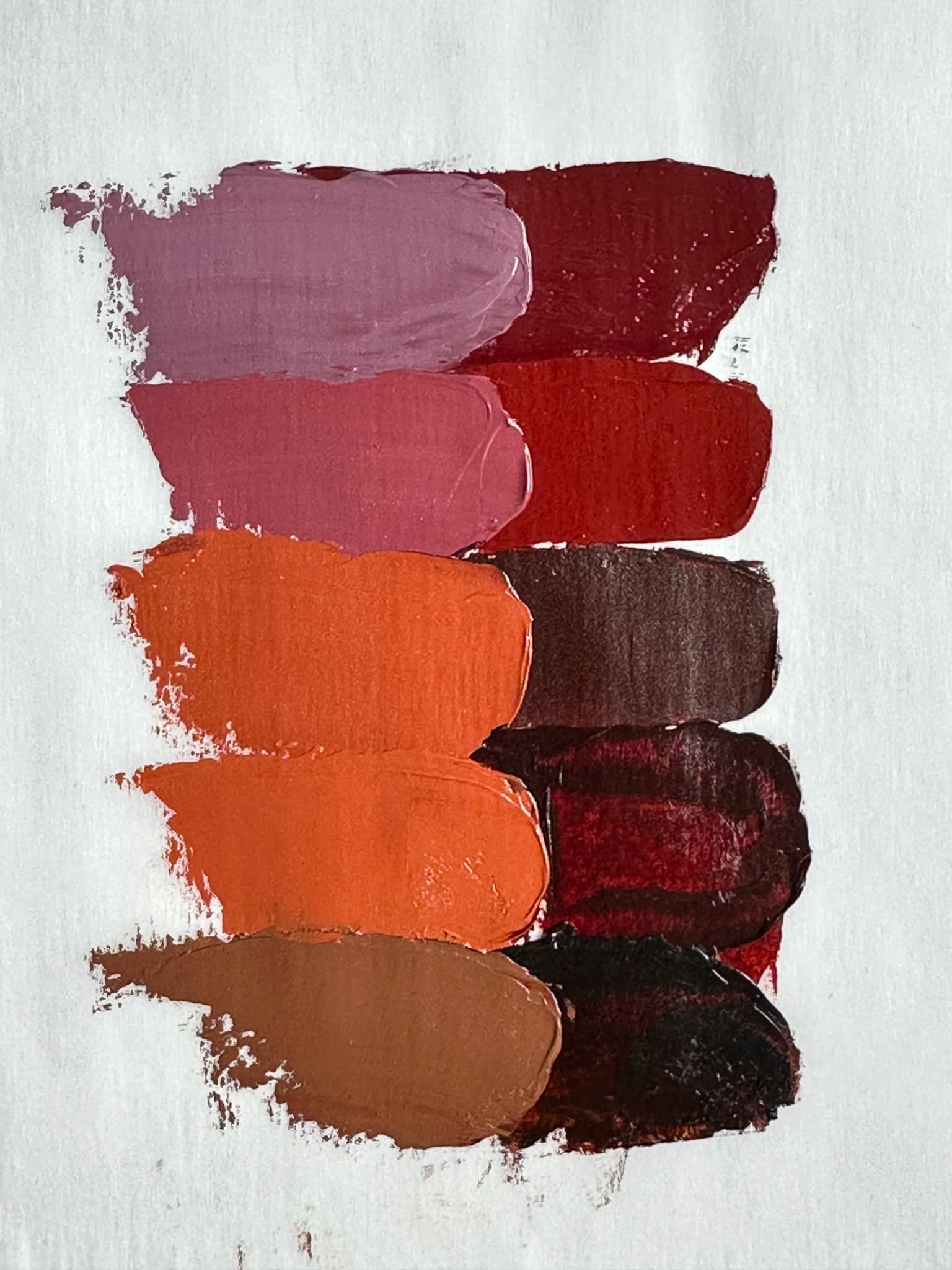
All of these oil paint swatches are made with single-pigment PR102. Natural red earth pigment, PR102, comes in a range of shades and undertones.
Resources
PR102 pigment data from David G. Myers, The Color of Art Pigment Database, Artiscreation.com
Information about PR102 from Bruce MacEvoy, Handprint Guide to Watercolors, General information about this class of pigments from Handprint, More from Handprint
Stats
Lightfastness
Excellent
Generally considered to be among the most lightfast pigments, solid 8s on the blue wool scale
Transparency
Varies
Ranges in oil from Transparent to Opaque, with more versions tending toward Opacity or Semi-Opacity/Semi-Transparency. Very few are listed as transparent.
Toxicity
Lower Concern, but may contain contaminants
Treat all pigments and paints with studio safety protocols.
Dry Time
Varies
Some are listed as 5-14 days, others 2-7 days and still others 1-2 days. May contain driers.
Oil Content
May be Low/Lean
Most brands don't publish oil content by volume (we wish they did), but it's interesting to note that a handful of natural red earths are listed as some of Williamsburg's leanest colors, while synthetic PR101 is one of their most oily by volume. Figures vary widely for Mars Reds and Violets. By weight, Artiscreation lists 15-25 g/100g of oil, but your pigment may have different requirements.
Particle Size
Varies
Chemical Name
Iron oxide. Calcined Yellow Ochre, Anhydrous iron(III)-oxide, possibly with natural impurities
Fe₂O₃
DISCLAIMER: Please note that we are not experts in health and safety and we are not toxicologists, please consult the proper experts. We are not liable for any issues that may arise from the use of our website or its contents. The information contained in this site is provided without warranty or guarantee of any kind. We do not necessarily endorse any other website that are linked from our site. For any important pigment specs, please reference the manufacturer details. If you discover errors or omissions, please reach out through our contact form. Thank you.
