

Aniline Black
PBk1
Alternate Name
Jet Black
Pigment Description
Ok, we're not talking Stuart Semple blackest-black, but it was rumored long ago among painters that Holbein's Peach Black was the blackest black for oil paintings. While it's not pure PBk1, it's one of the few black oil paints that includes PBk1 in the blend. Later we found Bruce Mac Evoy echoed something similar in watercolor when he wrote that it has the darkest masstone. However PBk1 may not have the best lightfastness.
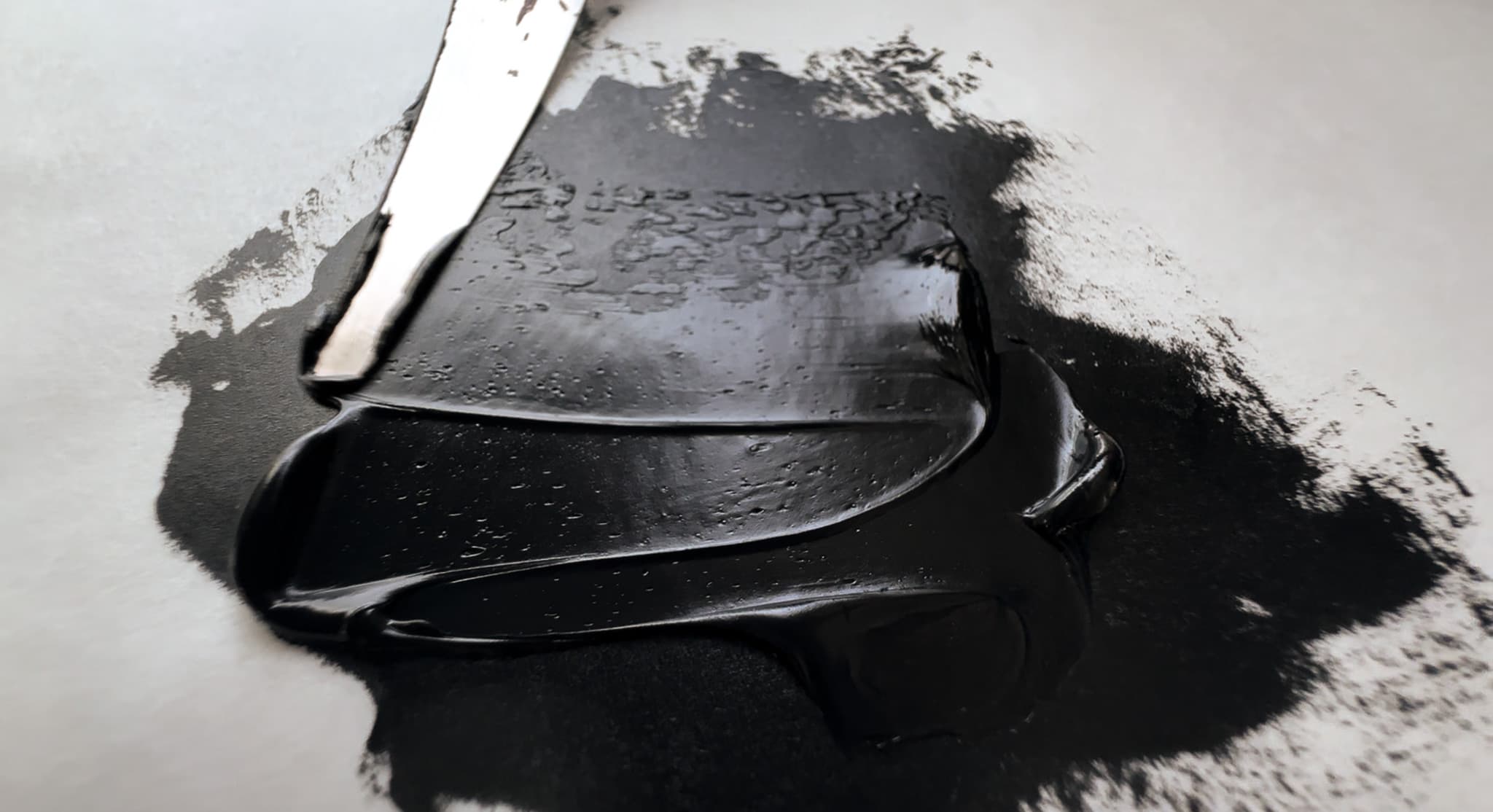
Holbein Peach Black, a blend of pigments PBk1 and PBk6
If you're looking for blackest blacks in oils, make sure to do a lot of different tests as it is surprising how much black pigments vary in lightness. Matte vs. Gloss once dried and the overall particle size of the pigment may make a difference. It's also helpful to look at them both varnished and unvarnished (once dried).
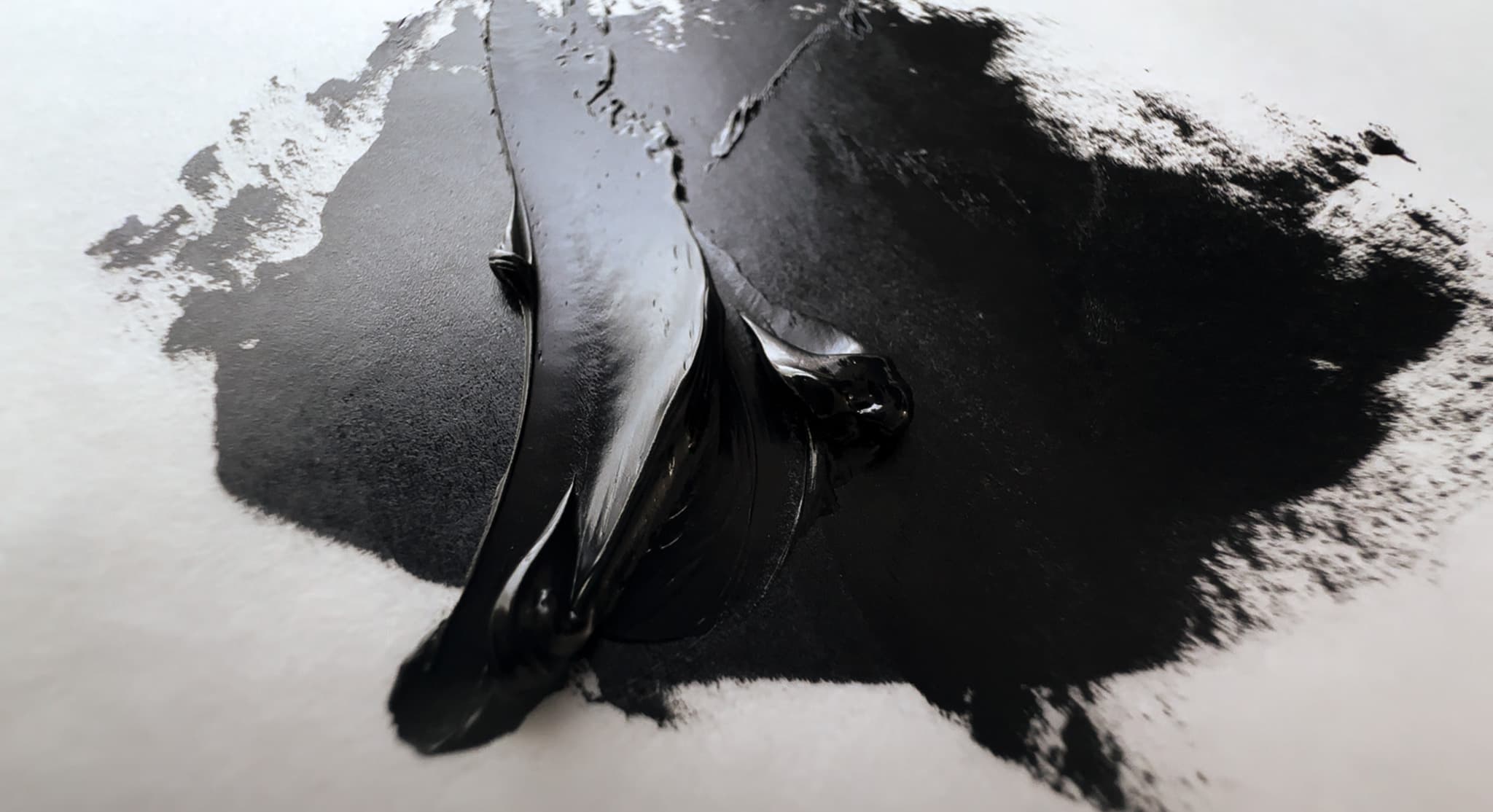
A deep black, Holbein Peach Black, incorporating both PBk1 and PBk6
PBk1, also called Aniline Black, is sometimes used as an ingredient in blends and may be found in some oils along with PBk6, though whether that helps increase the darkness that much is debated. The addition of PBk1 to PBk6, which is carbon black, is interesting. Some sources suggest Analine black may not be super lightfast, though Carbon black is. Handprint suggests that perhaps one should not use this pigment in tints.
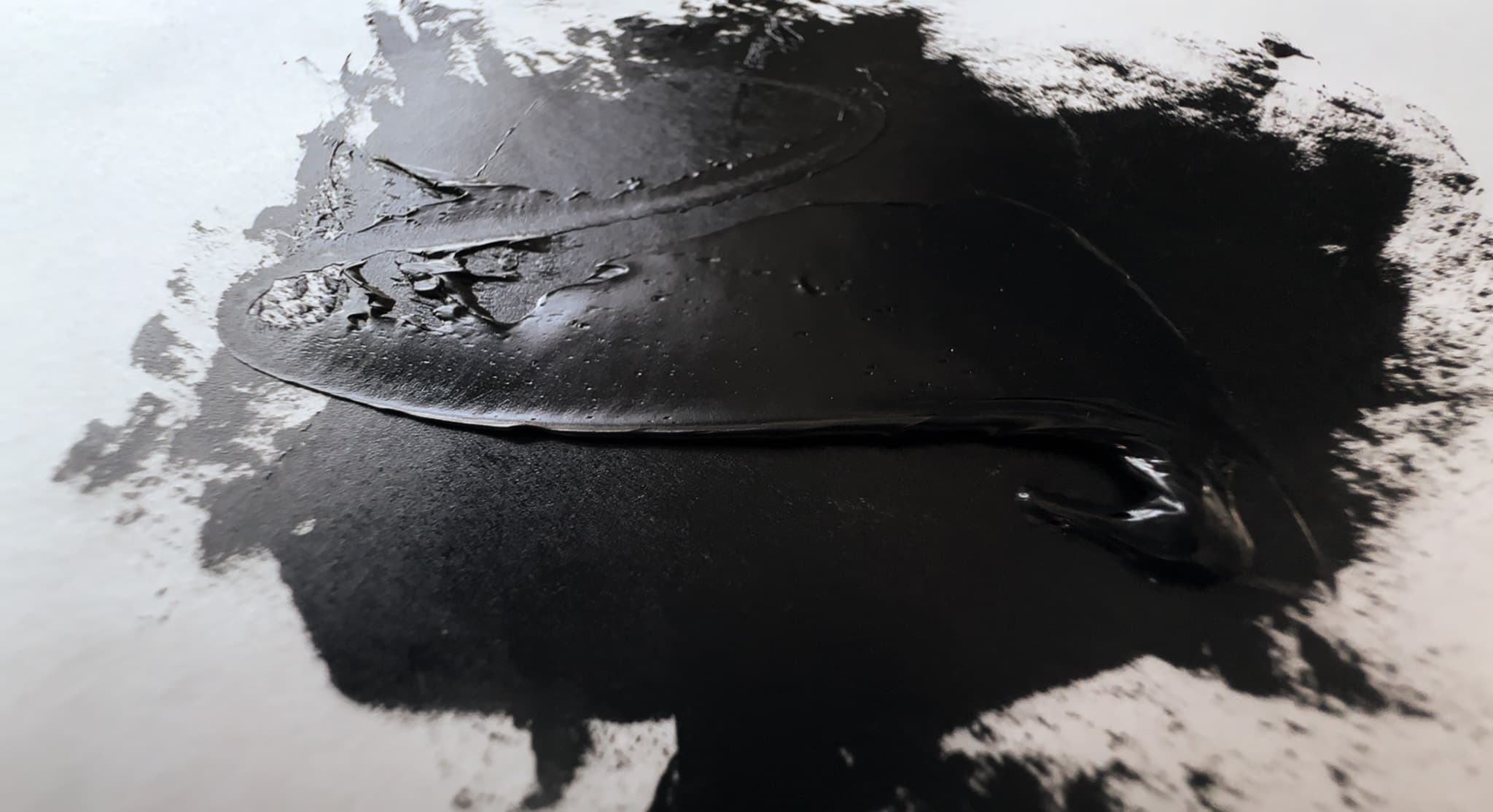
Intensely dark, this incredible black (Holbein Peach Black) is one of the few to include PBk1 in a blend
In terms of toxicity, we're not experts but Monona Rossol mentions in her work (available here),that some of the anilines are carcinogenic. On the topic of blackest blacks, we recently heard that while research is still emerging, those cool nanotube black pigments like vantablack may actually have some serious health hazards associated similar to asbestos, so if you find yourself looking for blackest blacks, please consult Monona Rossol's work on artist safety.
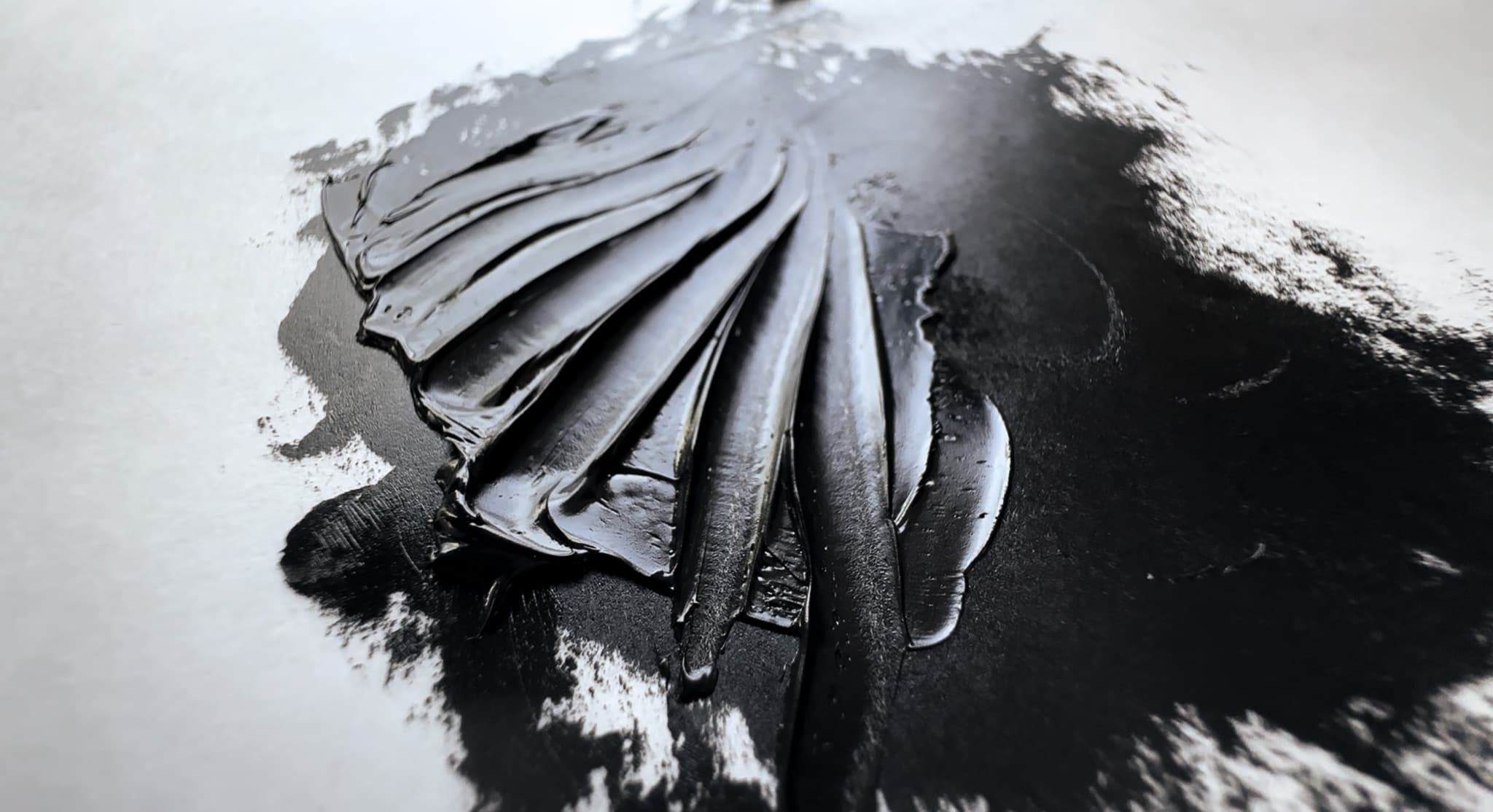
PBk1 and PBk6 combined to make Holbein Peach Black
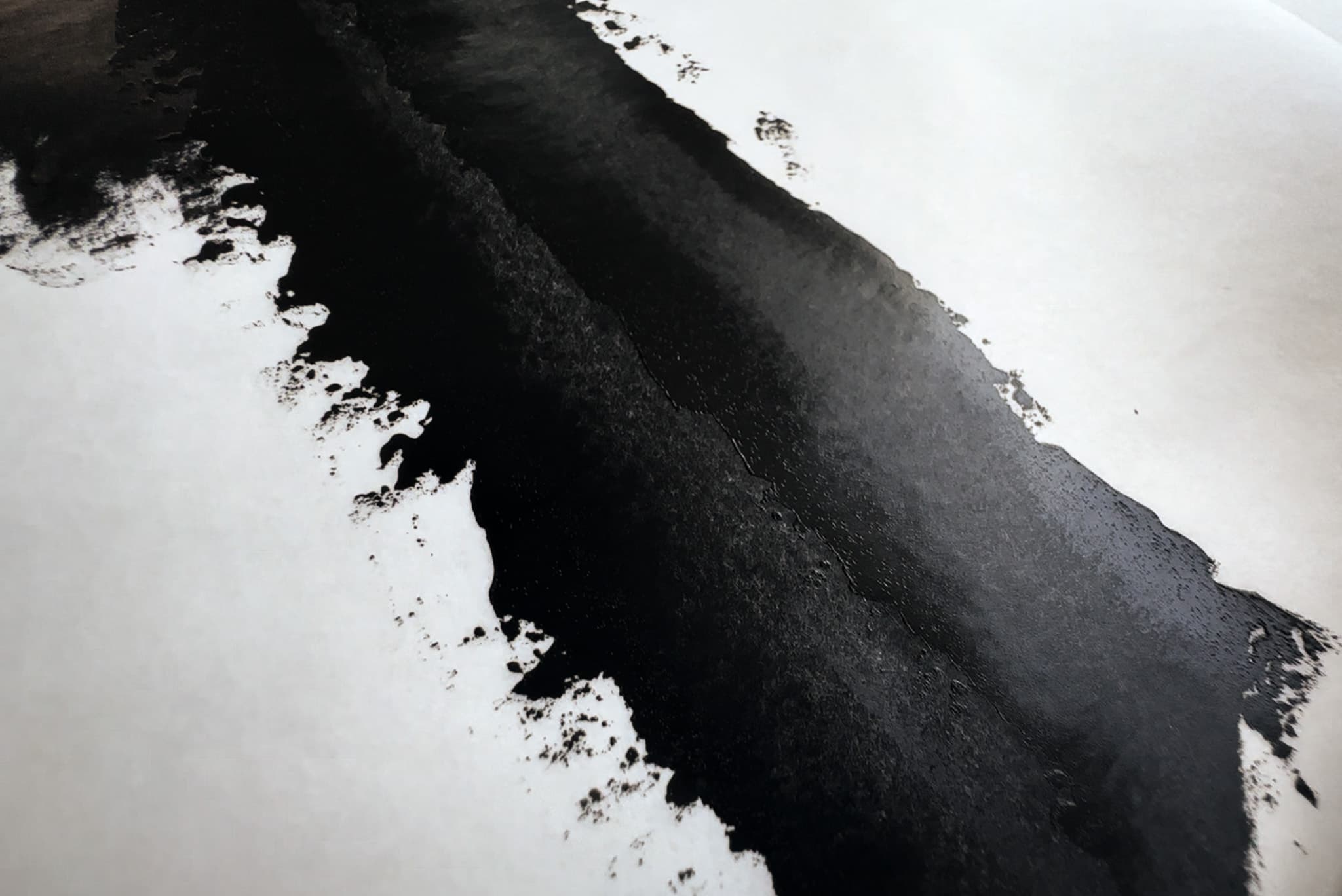
A black paint that packs a punch, Holbein Peach Black
Resources
PBk1 pigment data from David G. Myers, The Color of Art Pigment Database, Artiscreation.com
Information about PBk1 from Bruce MacEvoy, Handprint Guide to Watercolors,
Rossol, Monona. The Artist's Complete Health and Safety Guide. New York, NY : Allworth Press, 2001. The book is rather dated, updated information is available from her website.
Stats
Lightfastness
Varies from Very Good to Poor
Lightfastness varies a lot. May range from very good (not excellent) to poor (ASTM IV). Several sources (from Bruce MacEvoy to Jacksons) note that it fares worse in tints or glazes. The NPIRI from the 1980s suggest that in indoor testing, fading in tints was appreciable.
Transparency
Semi-Opaque
Chemical Name
Azine, aniline black
DISCLAIMER: Please note that we are not experts in health and safety and we are not toxicologists, please consult the proper experts. We are not liable for any issues that may arise from the use of our website or its contents. The information contained in this site is provided without warranty or guarantee of any kind. We do not necessarily endorse any other website that are linked from our site. For any important pigment specs, please reference the manufacturer details. If you discover errors or omissions, please reach out through our contact form. Thank you.
